


 Contact Us


 Other Insurance
What Is a Radiator in a Car?
Date: May 4, 2026 - Last Modified May 4, 2026


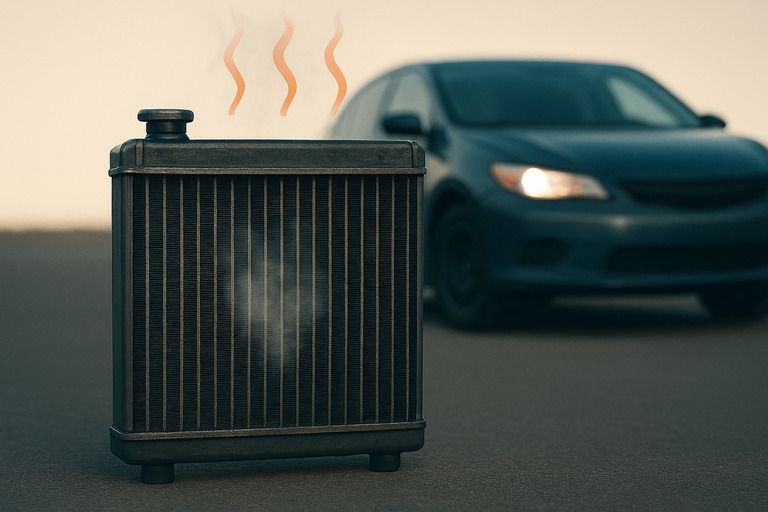
A radiator is a component that helps keep your car cool and enhances its performance. Due to internal combustion, a car engine can heat up. A radiator in a car absorbs this excess heat and maintains an optimal engine temperature. It plays a large role in preventing engine failure.
How Does a Car Radiator Work?
A radiator in a car has a central role in keeping the engine cool. To understand its role better, you can refer to the following pointers that explain how it works:
Coolant circulation
When the car engine produces heat from internal combustion, the thermostat detects the temperature change and allows coolant to pass through the engine.
Cooling fins
As coolant passes through a heated engine, it heats up. Cooling fins, which surround multiple small tubes, help the coolant in the process of heat dissipation.
Heat exchange
The hot coolant moves through the tubes and transfers heat to the cooling fins. This transferred heat disperses through airflow.
Coolant re-entry
When the thermostat detects a rise in engine temperature, cooler coolant exits from the radiator. It goes back to the engine through the lower hose, absorbs heat, and the cycle repeats.
Components of a Car Radiator
The car radiator is under the bonnet, and the coolant reservoir is next to it. The varied parts of the radiator play a crucial role in cooling down the engine. The following are the four main components of a car radiator:
Core
The main component of the radiator is known as the core. It is a metal block with small fins of the same material that dissipate heat from the coolant into the surrounding air. Based on the core, the radiator can be classified as one-core, two-core, or three-core.
Pressure cap and fan
The radiator coolant in the car is frequently under pressure. The pressure cap seals the coolant, keeping it pressurised and operating optimally. It is essential to prevent the coolant from reaching its boiling point, as it can be damaged and spread to parts of the engine. The pressure cap plays a major role in maintaining the coolant’s temperature within control limits.
A cooling fan for a car may be installed behind or in front of the core. It can pull in additional air when required.
Inlet and outlet tank
These tanks are found at the top of a car's radiator. They enable the coolant to flow in and out of the radiator. The hot coolant from the engine enters the inlet tank and, after cooling, exits through the outlet tank. It then returns to the engine. The inlet and outlet tanks are connected by radiator hoses.
Transmission cooler
In many vehicles, the transmission fluid cooler is integrated within the engine radiator or provided as a separate unit. Transmission fluid circulates through metal lines, and excess heat is transferred to the coolant via the radiator. This can help regulate transmission temperature.
Functions of a Car Radiator
Now that the query, ‘what is a radiator in a car’, has been addressed, combined with knowledge of its function, it can help ensure accurate vehicle maintenance. It can also help you choose the right engine protection add-on. The following are some important functions of a car radiator:
Heat dissipation
The basic function of a radiator is to eliminate the heat generated by the engine during combustion. When the engine runs, it produces heat, which is absorbed by the coolant. The radiator cools the heated coolant and returns it to the engine at a lower temperature.
Coolant circulation
It is the radiator that ensures the coolant circulates, absorbs heat from the engine, and releases it outside. This ensures that engine temperatures remain consistent, especially when driving conditions are demanding or temperatures are high.
Pressure regulation
The radiator cap helps maintain pressure within the cooling system. A properly functioning radiator cap prevents coolant from boiling over and causing damage.
Contribution to heater functionality
The radiator contributes to the vehicle’s heating system by providing the heated coolant to warm the vehicle’s interior. This feature may be especially beneficial during cold weather. It offers comfort to the passengers.
Types of Radiators Used in Cars
Copper-Brass radiators
They are traditional radiators that offer durability and provide excellent heat transfer. However, they are heavy and less commonly used today.
Aluminium radiators
These are lightweight and widely used in modern vehicles. They provide a balance of efficiency, cost-effectiveness, and performance.
Plastic radiators
As their name suggests, they are made with plastic components and have aluminium fins. These light radiators are usually more budget-friendly but less efficient.
Downflow radiators
They have vertical coolant flow from top to bottom, which is suitable for simpler or space-constrained designs.
Crossflow radiators
They have a horizontal coolant flow, which improves heat exchange efficiency. They are commonly used in modern vehicles.
Dual-pass radiators
Such radiators feature a variation of the crossflow design, in which the coolant passes twice. This helps enhance cooling performance.
Importance of the Radiator in the Car Cooling System
Preventing overheating
The radiator cools the fluid (coolant) and prevents the engine from reaching harmful temperatures. This helps prevent components from melting or seizing.
Temperature regulation
The radiator helps keep the engine at the optimal temperature for performance. It ensures that the engine does not overheat and run ineffectively.
Heat dissipation
Through a network of fins and tubes, the radiator maximises surface area to transfer heat from the coolant to the surrounding air.
Coolant circulation management
It works with the thermostat to manage coolant flow throughout the engine block and cylinder heads.
Components like the radiator are crucial to efficient car operation, and despite maintenance efforts, unforeseen damage may occur. Having car insurance by SBI General Insurance can offer financial protection in such cases.
Tips to Maintain Your Car Radiator
Use the right coolant
Make sure only coolants suitable for your car’s model are used. Note that the requirements for copper-brass and aluminium radiators are different.
Flush your radiator
It may be best to flush your car’s radiator once every year. This may help eliminate the build-up of rust and residue, ensuring efficient radiator operation.
Check for leaks
It is important to check for leaks and cracks in the radiator hose each time you change your car’s oil.
Inspect fluid
Often, it is essential to maintain coolant levels. This is because the coolant stops the car from overheating in hot weather.
Along with regular radiator maintenance, having third party insurance reflects responsible vehicle ownership by safeguarding you against unforeseen third-party liabilities.
Conclusion
A radiator is essential for maintaining optimal engine temperature and ensuring smooth vehicle performance. By understanding its components, functions, and maintenance requirements, you can enhance your car’s longevity and efficiency. Regular maintenance, combined with adequate protection such as car insurance, helps minimise risks and ensure a reliable driving experience over time.
FAQs
What happens if a car radiator fails?
A failed radiator can cause engine overheating, leading to damage such as warped components or engine seizure if not addressed promptly.
Can a car run without a radiator?
No, a car cannot run safely without a radiator. In the absence of a radiator, the engine will quickly overheat due to insufficient cooling.
How often should a radiator be serviced?
A radiator in a car can be flushed every 2-3 years. Ensure that you follow the vehicle manufacturer’s guidelines.
What causes radiator leakage in cars?
A leakage in the radiator can be caused by brittle hoses, high-pressure buildup from overheating and corrosion from old coolant.
Is a radiator and coolant the same?
No, the radiator is a component, while coolant is the fluid that flows through it to absorb and dissipate heat.
Can I drive with a damaged radiator?
Driving with a damaged radiator must be avoided. It is risky and can lead to overheating and major engine damage.
How much does radiator repair cost in India?
The cost of radiator repair depends on the extent of damage, the type of vehicle, and where you choose to have it repaired.
This blog is intended solely for educational and informational purposes. Content reflects data at time of publication and may not accurately reflect current premiums, terms, or regulations. Readers are encouraged to confirm the accuracy and relevance of the data before making any significant decisions. SBI General Insurance disclaims responsibility for any errors or consequences arising from the use of outdated information provided herein. For more details, please refer to the policy wordings and prospectus before concluding the sales. *Add-ons are subject to payment of additional premium.
Access and manage all your Insurance Needs in one place, right at your Fingertips.




4/5*
Access and manage all your Insurance Needs in one place, right at your Fingertips.



Vision
Our vision is to become the most trusted general insurer for a transforming India.
Mission
Our mission is to provide simple and innovative general insurance solutions, be responsive to our customers' needs and build a sustainable business for the future.
We're socially active!