


 Contact Us


 Other Insurance
Types of Car Insurance Coverage
Date: Jul 29, 2025 - Last Modified Sep 15, 2026


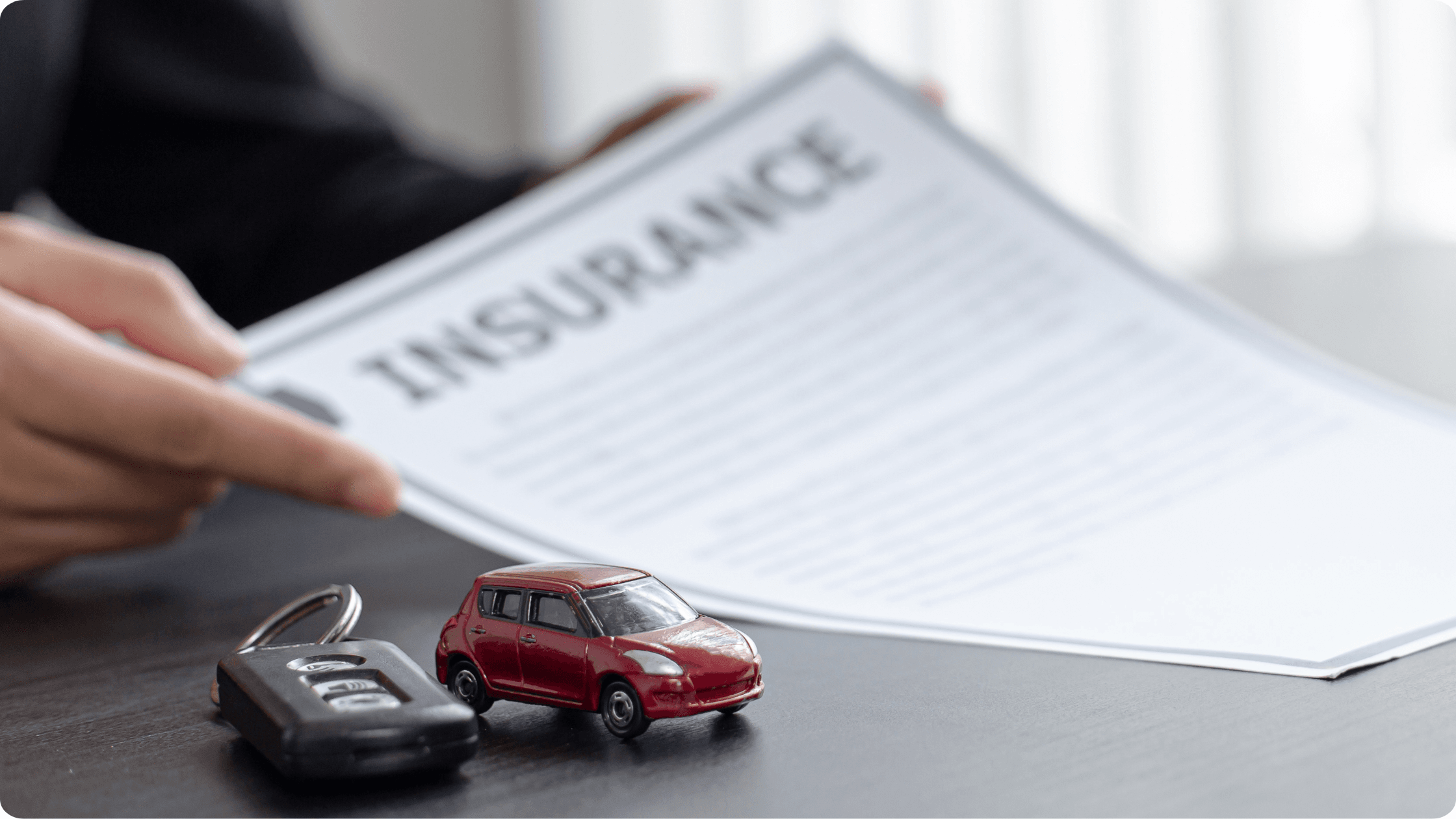
When car insurance is purchased, it is essential that the type of coverage is carefully verified. Whether travel is done for work, leisure drives with family are enjoyed, or social outings with friends are attended, it is expected that vehicles are kept well-maintained, proper driving etiquette is followed, and traffic rules are obeyed by responsible car owners. However, even when all safety precautions are observed, vehicles may still be subjected to unforeseen circumstances on the road, including minor and major collisions, mechanical failures, tyre bursts, and both natural and man-made disasters.
Financial burdens arising from such events can be relieved by car insurance policies. In India, monetary losses from incidents involving a vehicle are protected against by comprehensive car insurance policies, depending on the specific terms and conditions of the policy.
When an accident occurs to your automobile, focus should be placed on recovery from the shock rather than on financial concerns. Sufficient auto insurance should always be held and maintained in effect to ensure that recovery from any such incident can occur with minimal concern.
How Many Types of Car Insurance Coverages are there in India?
The types of protection provided are referred to as insurance coverage. A variety of add-ons may be selected to improve the protection provided by the insurance in addition to the standard coverage. The five categories of auto insurance coverage offered in India include:
Third-Party Liability Only Cover
The following advantages will be provided under this kind of auto insurance coverage:
- The price of fixing or replacing a third party's damaged vehicle
- Hospitalisation and third-party treatment costs
Liabilities resulting from third-party deaths
The Motor Vehicles Act states that in order to drive on public roads, one must have third party car insurance. The amount guaranteed should be appropriate for the driving circumstances and should be set high enough to prevent any out-of-pocket expense.
Own Damage (OD) or Collision Damage Cover
The expense of repairing a damaged vehicle is covered when collision damage auto insurance, also known as own damage car insurance, is obtained. The premium for collision coverage is calculated by factoring in the policyholder's age and Insured Declared Value. The vehicle's market value serves as the basis for the IDV.
When a claim is filed under collision coverage insurance, the IDV minus cumulative depreciation determines the maximum amount that may be paid out under the policy. Collision insurance should be obtained if the purchase of the car was financed.
Comprehensive Car Insurance
Personal accident coverage, third-party liability, damage to one’s own car, and any non-collision damage, including theft, fire, floods, and storms, are covered by comprehensive car insurance. A comprehensive car insurance coverage may be further improved with a variety of add-ons.
Types of Car Insurance Plans SBI General Offers
Convenience and protection are prioritised with customisable auto insurance plans by SBI. A wide range of coverages, such as third-party liability, personal injury, theft, and natural disasters, are included in comprehensive insurance. Losses to the policyholder’s vehicle are covered by own-damage policies.
Add-On Riders with the SBI General Comprehensive Car Insurance Policy
Zero Depreciation Cover
The entire cost of repairs is paid without depreciation charges on car parts during claims by means of this add-on. It is particularly useful for new or luxury vehicles, ensuring maximum reimbursement.
No Claim Bonus Protection
Retention of the no claim bonus is ensured by this rider even after a claim is filed, helping maintain lower premiums over time. It is an excellent option for policyholders who want to preserve the benefits of safe driving.
Key Replacement Cover
The expense of acquiring new automobile keys and locksmith services, if keys are lost, stolen, or broken, is included.
Daily Allowance Cover
Transportation costs incurred while the car is being fixed are paid by this rider, providing additional convenience.
Engine Guard
Protection is provided against engine repairs from water damage, oil leaks, or similar issues.
Return to Invoice Cover
The car’s invoice value, including registration and road tax, is reimbursed under this return to invoice cover in case of total loss or theft of the vehicle. Peace of mind is provided when theft or irreparable damage is encountered.
Roadside Assistance Cover
24/7 support for emergencies such as breakdowns, flat tyres, or towing is offered by this feature. It is useful to ensure policyholders are never stranded during unexpected situations.
Tyre Secure
Replacement or repair costs for damaged tyres are covered.
Consumables expenses
Items such as bolts, nuts, and engine oil used during repairs are included.
Loss of Personal Belongings
Compensation is provided for theft or damage to personal items stored in the vehicle.
Conclusion
Car insurance is an essential investment for every vehicle owner in India. It not only safeguards your financial well-being but also ensures that you comply with the legal requirements of driving on public roads. Informed decisions regarding protection from unforeseen incidents can be made by understanding the various types of car insurance coverage—such as third-party liability, own damage, and comprehensive policies.
The availability of additional coverage options like zero depreciation and personal accident insurance further enhances the scope of protection offered by standard policies. Recovery, rather than financial stress, can be focused on when a suitable insurance plan is in place, regardless of whether minor collisions, major accidents, or natural calamities are encountered.
Tailored plans to meet diverse needs are offered by insurance providers, such as SBI General, ensuring convenience and peace of mind. Life’s uncertainties can be navigated with confidence when an active and adequate car insurance policy is maintained.
Ultimately, car insurance is not merely a legal formality—it is a crucial safety net by which driving with assurance is made possible. The protection offered should be embraced, and proactive steps should be taken so that journeys on the road remain smooth, secure, and worry-free.
Disclaimer: This blog is intended solely for educational and informational purposes. The content may include outdated information regarding the topic discussed. Readers are encouraged to confirm the accuracy and relevance of the data before making any significant decisions. SBI General Insurance disclaims responsibility for any errors or consequences arising from the use of outdated information provided herein.
This blog is intended solely for educational and informational purposes. Content reflects data at time of publication and may not accurately reflect current premiums, terms, or regulations. Readers are encouraged to confirm the accuracy and relevance of the data before making any significant decisions. SBI General Insurance disclaims responsibility for any errors or consequences arising from the use of outdated information provided herein. For more details, please refer to the policy wordings and prospectus before concluding the sales. *Add-ons are subject to payment of additional premium.
Access and manage all your Insurance Needs in one place, right at your Fingertips.



4/5*
Access and manage all your Insurance Needs in one place, right at your Fingertips.


Vision
Our vision is to become the most trusted general insurer for a transforming India.
Mission
Our mission is to provide simple and innovative general insurance solutions, be responsive to our customers' needs and build a sustainable business for the future.
We're socially active!