


 Contact Us


 Other Insurance
Comprehensive vs Third Party Bike Insurance

Date: Nov 28, 2021 - Last Modified May 20, 2026


Third-party bike insurance is mandatory in India and provides coverage against third-party liabilities arising from accidents involving the insured bike. Comprehensive bike insurance offers broader coverage, which may include protection against own-bike damages, theft, natural calamities and certain man-made events, subject to policy terms and conditions. The choice between the two depends on factors such as budget, bike value and individual coverage requirements.
Comprehensive and third-party are two common insurance options in India. Comprehensive bike insurance provides coverage for both own-bike damages and third-party liabilities, subject to the policy terms and conditions. Third-party insurance covers only third-party liabilities and is mandatory under Indian law. Comprehensive insurance, while optional, offers broader coverage benefits. Both plans are available at premiums that vary depending on the insurer, vehicle type and coverage selected.
This blog discusses the difference between comprehensive and third-party two-wheeler insurance, helping you choose a suitable one.
What is Comprehensive Two-Wheeler Insurance?
Comprehensive two-wheeler insurance provides coverage for both own-vehicle damages and third-party liabilities, subject to the policy terms and conditions. It may help cover losses arising from situations such as accidents, theft, natural calamities or certain man-made events affecting the insured vehicle.
Additionally, it also provides coverage against legal and financial liabilities arising from damage or injury caused to a third party.
What is Third-Party Two-Wheeler Insurance?
A third-party two-wheeler insurance policy provides coverage against third-party liabilities arising from accidents involving the insured vehicle. If a third party suffers injury, death or property damage due to the insured two-wheeler, the policy may help cover the associated financial liabilities, subject to the policy terms and applicable legal provisions.
In addition to third-party liability coverage, such policies help riders comply with the mandatory insurance requirements under Indian law. Since riding without valid third-party insurance may attract penalties, having an active policy is important for both legal compliance and financial preparedness.
What Is the Difference Between Comprehensive and Third-Party Insurance?
The table below summarises the difference between comprehensive and third-party two-wheeler insurance:
Point of Difference | Comprehensive Insurance | Third-Party Insurance |
Coverage | Provides coverage for both own-vehicle damages and third-party liabilities, subject to policy terms and conditions. | Provides coverage only against third-party liabilities arising from accidents involving the insured vehicle. |
Premium | Premiums vary depending on factors such as vehicle type, coverage selected and insurer guidelines. | Premiums are generally lower and are regulated as per applicable IRDAI guidelines. |
Legal Requirement | Comprehensive insurance is optional but offers broader coverage benefits. | Third-party insurance is mandatory under Indian law for all vehicles. Driving without valid insurance may attract penalties. |
Add-ons | Various add-on covers may be available to enhance the scope of coverage. | Add-ons are generally not available with standalone third-party insurance. However, it may be combined with a standalone own-damage policy, depending on the insurer. |
Limitations | Broader coverage may result in a comparatively higher premium. | Does not provide coverage for damages to the insured vehicle. |
Which Two-Wheeler Insurance to Buy: Comprehensive or Third-Party Insurance?
Consider the following pointers to choose a suitable two-wheeler insurance:
Vehicle Value
The value of your two-wheeler plays an important role in choosing the right insurance plan. If you own a high-value or premium bike, comprehensive insurance may offer broader financial protection by covering both own-vehicle damages and third-party liabilities. Repairing or replacing expensive vehicle parts can lead to high costs, making wider coverage beneficial in certain situations.
Vehicle Age
The age of the vehicle can also influence your insurance decision. Comprehensive insurance is often preferred for newer bikes, as it may help manage repair expenses and preserve the vehicle’s condition over time. On the other hand, owners of older two-wheelers with lower market value may opt for third-party insurance depending on their coverage requirements and usage patterns.
Driving Habits
Your riding frequency, travel routes, and road conditions should also be considered while selecting insurance coverage. Individuals who frequently ride long distances, commute daily, or travel through high-traffic areas may consider comprehensive insurance for wider protection. Riding habits and usage patterns can affect the likelihood of accidental damage and maintenance requirements.
Budget
Budget is another important factor when choosing between third-party and comprehensive insurance. Third-party insurance generally comes at a lower premium because it offers limited coverage. Comprehensive insurance, while comparatively more expensive, provides broader protection and additional coverage benefits. The ideal choice depends on your financial comfort, coverage expectations, and vehicle usage.
Conclusion
Comprehensive and third-party insurance are two common insurance options. Comprehensive insurance covers own vehicle damage and third-party liabilities. Third-party insurance covers only third-party liabilities.
Besides their coverage, comprehensive and third-party insurance also differ in terms of legal requirements, premiums, and overall benefits. Third-party insurance is mandatory under Indian law, whereas comprehensive insurance is optional and offers broader coverage benefits. Third-party insurance generally comes at a lower premium, while comprehensive insurance may have a comparatively higher premium depending on the coverage selected.
Ideally, one can buy comprehensive insurance to ensure complete vehicle protection and solid financial security. SBI General Insurance offers comprehensive two-wheeler insurance plans with coverage features and add-on options designed to support different riding and protection needs. Buy or renew it today!
FAQs
1. What is comprehensive two-wheeler insurance?
A comprehensive two-wheeler insurance covers own vehicle damage and third-party liabilities.
2. What is third-party two-wheeler insurance?
A third-party two-wheeler insurance covers damage or loss incurred by a third person or property due to your vehicle.
3. Is buying two-wheeler insurance compulsory?
Yes, buying a third-party two-wheeler insurance is compulsory.
4. What is the difference between comprehensive and third-party insurance?
Coverage: Comprehensive insurance covers both own and third-party liabilities. Third-party insurance covers only third-party liabilities.
Legal requirement: Comprehensive insurance is optional. Third-party insurance is compulsory by law.
Premium: Comprehensive insurance is available at a fair and competitive premium. The third-party insurance premium is set by IRDAI and is reasonable.
5. Which two-wheeler insurance to buy?
Buy a comprehensive two-wheeler to ensure all-around vehicle protection.
6. Can I combine another policy with third-party insurance?
Yes, you can combine third-party insurance with a standalone own-damage insurance policy for enhanced coverage.
This blog is intended solely for educational and informational purposes. Content reflects data at time of publication and may not accurately reflect current premiums, terms, or regulations. Readers are encouraged to confirm the accuracy and relevance of the data before making any significant decisions. SBI General Insurance disclaims responsibility for any errors or consequences arising from the use of outdated information provided herein. For more details, please refer to the policy wordings and prospectus before concluding the sales. *Add-ons are subject to payment of additional premium.
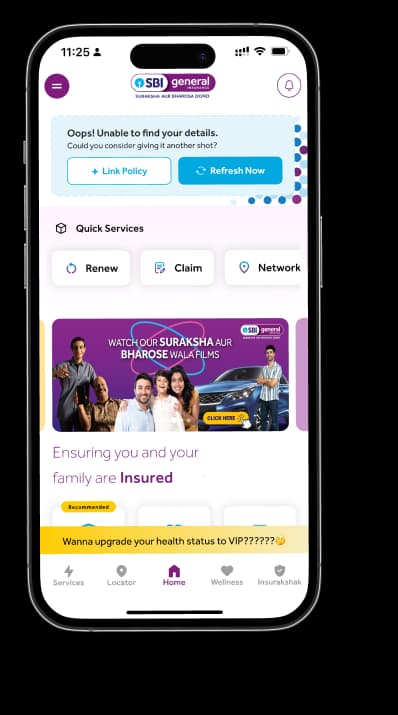
Access and manage all your Insurance Needs in one place, right at your Fingertips.



4/5*
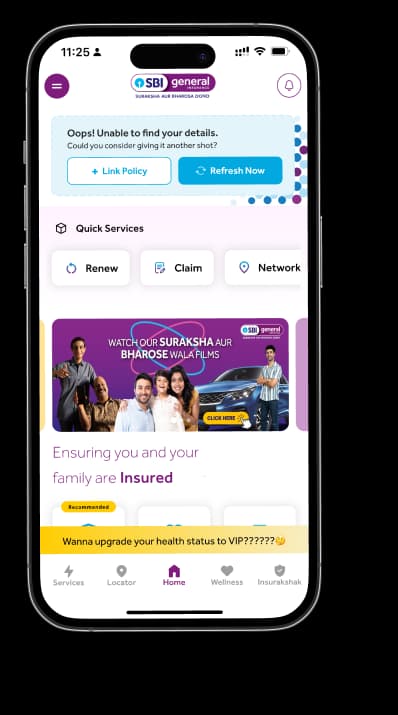
Access and manage all your Insurance Needs in one place, right at your Fingertips.


Vision
Our vision is to become the most trusted general insurer for a transforming India.
Mission
Our mission is to provide simple and innovative general insurance solutions, be responsive to our customers' needs and build a sustainable business for the future.
We're socially active!