


 Contact Us


 Other Insurance
Constructive Total Loss (CTL) in Car Insurance: Meaning, Calculation & Claim Process
Date: Jul 8, 2026 - Last Modified Jul 8, 2026


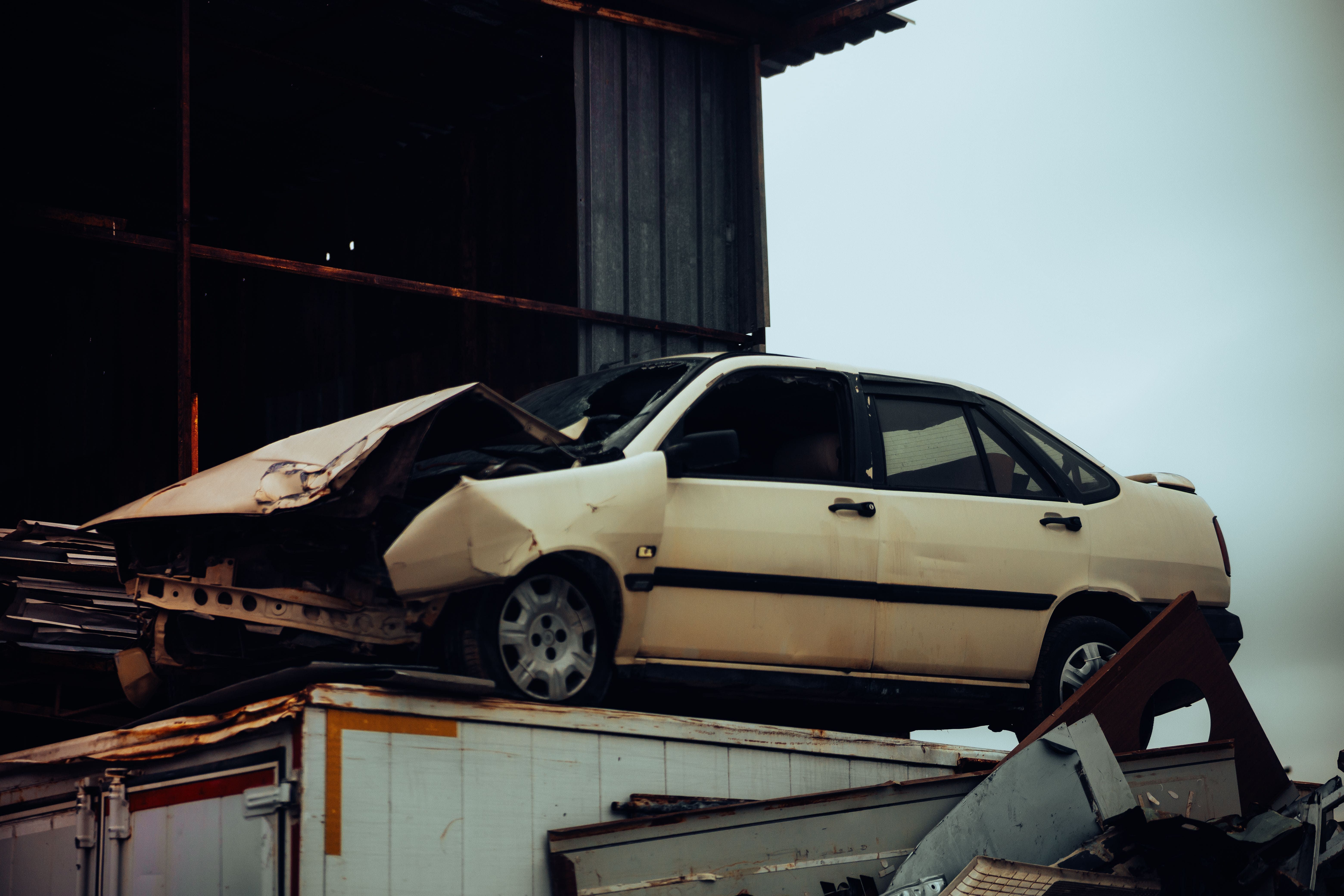
Severe vehicle damage caused by accidents, floods, fire, or natural disasters may leave the car heavily damaged without completely destroying it. Instead of repairing the car, insurers may treat it as a total loss. When the estimated repair cost becomes excessively high compared to the vehicle’s insured value, insurers may classify the vehicle under constructive total loss in car insurance rather than approving repairs.
In this article, we will understand the constructive total loss meaning, how it is calculated, and how the claim process helps policyholders manage claims effectively under a car insurance policy.
What is Constructive Total Loss (CTL) in Car Insurance?
The constructive total loss in car insurance refers to a situation where the estimated cost of repairing a damaged vehicle exceeds a specified percentage of its Insured Declared Value (IDV), which is generally more than 75%. In such cases, the insurer may classify the vehicle as a Constructive Total Loss (CTL).
Simply put, understanding the constructive total loss meaning involves situations where repairing the vehicle becomes financially impractical when compared to its insured value. These claims are generally assessed under own-damage or comprehensive motor insurance policies.
Understanding the concept of CTL in car insurance can help policyholders better interpret major accident-related claim settlements and insurer decisions.
Total Loss vs Constructive Total Loss – Key Differences
Total loss and constructive total loss in car insurance are often confused because both involve major vehicle damage. However, these situations differ in terms of repair feasibility, claim assessment, and the extent of damage involved. Here are the key differences in detail:
Feature | Actual Total Loss | Constructive Total Loss |
Damage level | Irreparable or unrecoverable | Repairable, but economically impractical |
Examples | Fire, theft, severe accidents | Major accidental or flood-related damage |
Basis for settlement | IDV (Insured Declared Value) | IDV minus salvage value |
Understanding this distinction helps in better decision-making during a car insurance claim and when evaluating compensation.
When is a Car Declared a Constructive Total Loss (CTL)?
A vehicle may be classified under constructive total loss in car insurance when the estimated repair cost exceeds the insurer’s specified percentage of the vehicle’s Insured Declared Value (IDV). In many cases, most insurers in India may apply the 75% threshold rule while assessing CTL claims.
Situations That May Lead to Constructive Total Loss
A car may be considered under constructive total loss for car insurance in situations such as:
Severe road accidents causing major structural damage
Fire-related damage affecting key vehicle components
Natural disaster-related damage, such as floods or storms
Extensive structural or body damage increasing repair costs
Repair expenses exceeding the insurer’s CTL threshold percentage
How is CTL Calculated in Car Insurance?
The calculation of constructive total loss in car insurance is primarily based on the relationship between the estimated repair cost and the vehicle’s Insured Declared Value (IDV).
Insurers usually evaluate:
Vehicle age and depreciation
Estimated repair expenses
Salvage value
Applicable policy terms
Insured Declared Value (IDV)
If the repair estimate surpasses the insurer’s CTL threshold, the vehicle can be categorised under the CTL in car insurance.
Understanding how constructive total loss car insurance works helps policyholders understand claim outcomes and settlement amounts.
Role of IDV in CTL Calculation
The Insured Declared Value (IDV) in car insurance represents the estimated current market value of the insured vehicle during the commencement of the policy. To put it simply, it is the maximum amount payable in case of total loss. The total loss in a car insurance is considered if the estimated repair costs are more than the specified benchmark of the IDV.
In the case of a constructive total loss in car insurance, the IDV plays a major role in determining claim eligibility.
A higher IDV might result in higher coverage value, while a lower IDV may lower the maximum claim amount payable under CTL-related claims.
The IDV of a vehicle is determined based on the manufacturer’s listed selling price plus the value of car accessories, minus depreciation.
Step-by-Step CTL Claim Settlement Process
The CTL claim settlement process generally involves the following steps:
Inform the insurer about the incident.
Register the claim request.
Receive claim reference details.
Vehicle inspection by the surveyor.
Repair estimate assessment.
CTL eligibility evaluation.
Submit required documents to the relevant officials.
Claim approval and settlement.
The claim settlement process ensures that policyholders receive compensation efficiently without undergoing expensive repairs.
What Happens to Your Car After a CTL Claim?
Once a claim is classified as constructive total loss, policyholders may be required to surrender the damaged vehicle to the insurance company.
After assessment and approval, the insurer generally settles the claim based on the vehicle’s Insured Declared Value (IDV), subject to applicable deductibles and policy terms. Following the final settlement and policy closure process, policyholders are generally not required to continue paying premiums as the policy may be terminated.
How to Protect Yourself — Useful Add-ons
Certain add-ons* may help improve financial protection and claim-related support during constructive total loss in car insurance situations.
Zero Depreciation Cover
Zero depreciation car insurance cover may help reduce the impact of depreciation during claim settlement and support higher claim value eligibility for replaced parts.
Return-to-Invoice Cover
Return-to-invoice cover may help policyholders recover the original invoice value of the vehicle in specific total loss or theft-related situations, subject to policy terms.
Roadside Assistance Cover
This add-on* may provide emergency support services such as towing assistance, battery support, or breakdown-related help during travel.
Engine Protection Cover
Engine protection cover may help provide financial support for specific engine-related damages that are not always included under standard motor insurance policies.
Choosing add-ons* under a comprehensive car insurance policy may help reduce financial risks and provide additional protection during vehicle damage or claim-related situations.
Conclusion
Understanding constructive total loss for car insurance helps policyholders manage risks effectively. Knowing how CTL is calculated and settled, along with calculation methods, IDV assessments, and insurer guidelines ensure better financial planning and smoother claim experiences.
SBI General Insurance offers motor insurance solutions designed to support vehicle protection, claim assistance, and long-term financial preparedness.
FAQs
1. What is constructive total loss in car insurance?
It refers to a scenario where repair costs surpass a specific percentage of the vehicle’s value, making repairs uneconomical.
2. What is the 75% rule in car insurance?
If repair costs exceed 75% of the IDV, the vehicle may be declared a constructive total loss, as per insurer guidelines.
3. What is the difference between total loss and constructive total loss?
Total loss means complete destruction, while CTL means repair is possible but not economical.
4. How is IDV used to calculate constructive total loss?
IDV is compared with repair costs to determine if the vehicle qualifies as CTL.
5. Is CTL applicable in third-party car insurance?
No, CTL applies only to own-damage or comprehensive car insurance policies.
This blog is intended solely for educational and informational purposes. Content reflects data at time of publication and may not accurately reflect current premiums, terms, or regulations. Readers are encouraged to confirm the accuracy and relevance of the data before making any significant decisions. SBI General Insurance disclaims responsibility for any errors or consequences arising from the use of outdated information provided herein. For more details, please refer to the policy wordings and prospectus before concluding the sales. *Add-ons are subject to payment of additional premium.
Access and manage all your Insurance Needs in one place, right at your Fingertips.



4/5*
Access and manage all your Insurance Needs in one place, right at your Fingertips.


Vision
Our vision is to become the most trusted general insurer for a transforming India.
Mission
Our mission is to provide simple and innovative general insurance solutions, be responsive to our customers' needs and build a sustainable business for the future.
We're socially active!