


 Contact Us


 Other Insurance
Own Damage Policy in Car Insurance
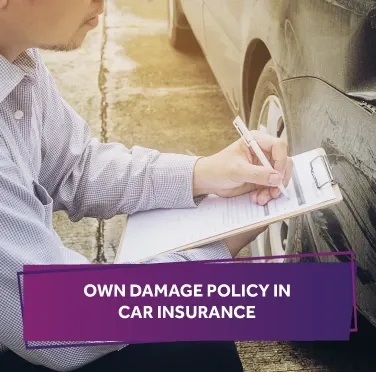
Date: Feb 10, 2025 - Last Modified May 7, 2026


Motor insurance provides financial coverage in critical situations such as road accidents, theft, or loss, offering peace of mind and ensuring financial security. There are different types of motor insurance plans.
The most common are third-party insurance, own-damage insurance, and comprehensive insurance plans.
This article explains own damage car insurance with a focus on coverage differences, premium calculation, and suitability. It helps users understand when to choose an OD policy and how it fits their insurance needs.
What Is Own Damage Policy Coverage?
The coverage scope of an own damage policy differs from one policy to another. However, the following pointers explain the most common policy inclusions:
Coverage:
Own damage car insurance cover protects your insured vehicle from damage, in the following scenarios:
Accidental or collision damage that meets the coverage criteria.
Loss or theft of the insured vehicle.
Damages caused to your car due to ignition, lightning, fire, etc.
Losses or damage incurred due to man-made or natural disasters, depending on insurer-specific terms and conditions.
Who Should Buy the Own Damage Insurance Plan?
Ideally, every vehicle owner should opt for an own-damage insurance plan, as it provides crucial financial protection when it matters most, safeguarding both your car and finances. However, you should consider buying your own damage insurance plan if you:
Are an existing third-party insurance owner:
When you purchase a third-party insurance plan from an insurance company, they often give an own-damage offer, which is worth considering. Opting for it helps keep both premiums reasonable while providing extensive coverage that you can benefit from anytime.
Are a frequent car user:
If you use your car frequently, whether for intra-city or inter-city travel, there is a higher possibility of mishaps. Furthermore, depreciation could increase due to regular wear and tear. Buying an own damage insurance plan is beneficial in several ways here. It provides financial coverage to help restore your car’s condition and performance after an accident.
Want to protect your income and savings:
If you carefully plan your monthly income and savings, you certainly do not want unexpected expenses that could drain them. Buying your own damage insurance helps with this. It provides financial coverage for sudden liabilities, ensuring you don’t have to dip into your own funds.
What Are the Benefits of Own Damage Policy?
You can enjoy the following benefits by opting for an own damage car insurance plan:
- Short-term tenure:
Even if you buy a three-year third-party car insurance, you are not obligated to extend the own damage coverage for the same period. It comes with a one-year tenure and gives you flexibility. - Affordable premium:
Insurers calculate the premium for an own damage car policy based on your location, vehicle specifications, Insured Declared Value, etc. The overall premium is affordable if you choose the coverage wisely. - Choosing different insurers:
You can buy an own damage policy only when you have third-party insurance. But you enjoy the flexibility to choose different insurers for both plans. - Add-ons:
You can access add-on covers with a standalone own damage motor insurance plan to upgrade your protection.
How Does an Own Damage Plan Compare to a Comprehensive Car Insurance Plan?
While both own damage cover and comprehensive car insurance are voluntary choices and offer vehicle protection, they differ slightly.
You can buy an own damage car insurance policy as an additional cover when you already have a third-party plan. Contrarily, comprehensive plans are independent insurance plans that combine third-party coverage with own vehicle protection.
Invest in an Own Damage Car Insurance Policy
If you like the benefits and convenience that an own damage policy provides, you can opt for it with your third-party car insurance. You can do this when you buy the third-party policy or add it at a later stage, during renewal. In both cases, the process is simple. You can find the own damage policy under the car insurance section, enter essential details about your car, and make the payment.
Note: The given information has been compiled from digitally available resources. It is subject to change due to several factors.
Freqeunlty Ask Questions
1. Can I buy an own damage policy without third-party insurance?
Third-party insurance is mandatory by law. Hence, you need to buy it. Post its purchase, you can buy an own damage policy.
2. Is own damage insurance mandatory in India?
No, own-damage insurance is not mandatory in India; it is best to buy it, as it provides financial coverage in case of a mishap.
3. How often should I renew my own damage policy
How often you should renew your own damage policy depends on your existing policy duration. If it is a one-year policy, consider renewing it every year. This will ensure liabilities do not catch you off guard.
This blog is intended solely for educational and informational purposes. Content reflects data at time of publication and may not accurately reflect current premiums, terms, or regulations. Readers are encouraged to confirm the accuracy and relevance of the data before making any significant decisions. SBI General Insurance disclaims responsibility for any errors or consequences arising from the use of outdated information provided herein. For more details, please refer to the policy wordings and prospectus before concluding the sales. *Add-ons are subject to payment of additional premium.
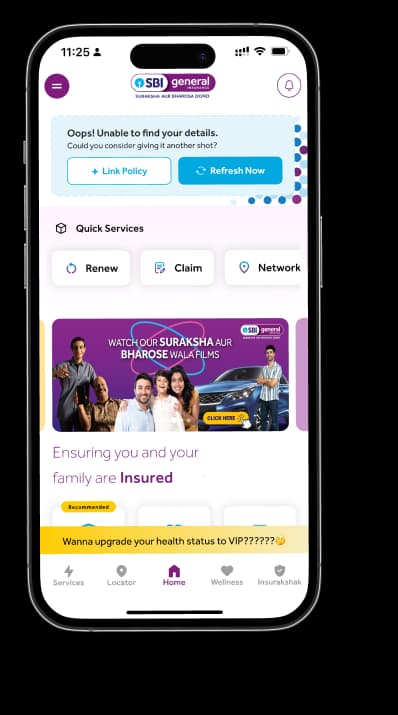
Access and manage all your Insurance Needs in one place, right at your Fingertips.



4/5*
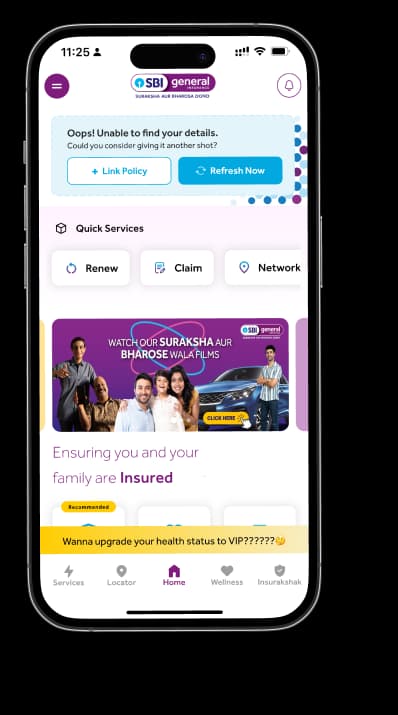
Access and manage all your Insurance Needs in one place, right at your Fingertips.


Vision
Our vision is to become the most trusted general insurer for a transforming India.
Mission
Our mission is to provide simple and innovative general insurance solutions, be responsive to our customers' needs and build a sustainable business for the future.
We're socially active!