


 Contact Us


 Other Insurance
Rodent Cover in Car Insurance – A Complete Guide
Date: May 14, 2025 - Last Modified Sep 15, 2026


Your vehicle is an asset, not only in monetary terms, but also for the convenience it offers and the travel memories it might hold. To continue using it fully, it must be maintained in an optimal condition, so that it can always perform reliably. This requires a proactive approach on your part, as certain issues can damage the vehicle over time, making it vulnerable to faults. A major reason for such faults is often rodent damage.
This article explains how rodent cover in car insurance works, evaluates the costs and benefits of rodent cover, and highlights preventive measures to avoid such damage. It helps car owners make informed decisions about adding this cover and handling claims effectively.
What Are the Common Damages Caused by Rodents in a Car?
Rodents find car engines and other hidden spots in vehicles to be the perfect shelters, especially in colder months. Unfortunately, their stay can lead to significant damage, such as:
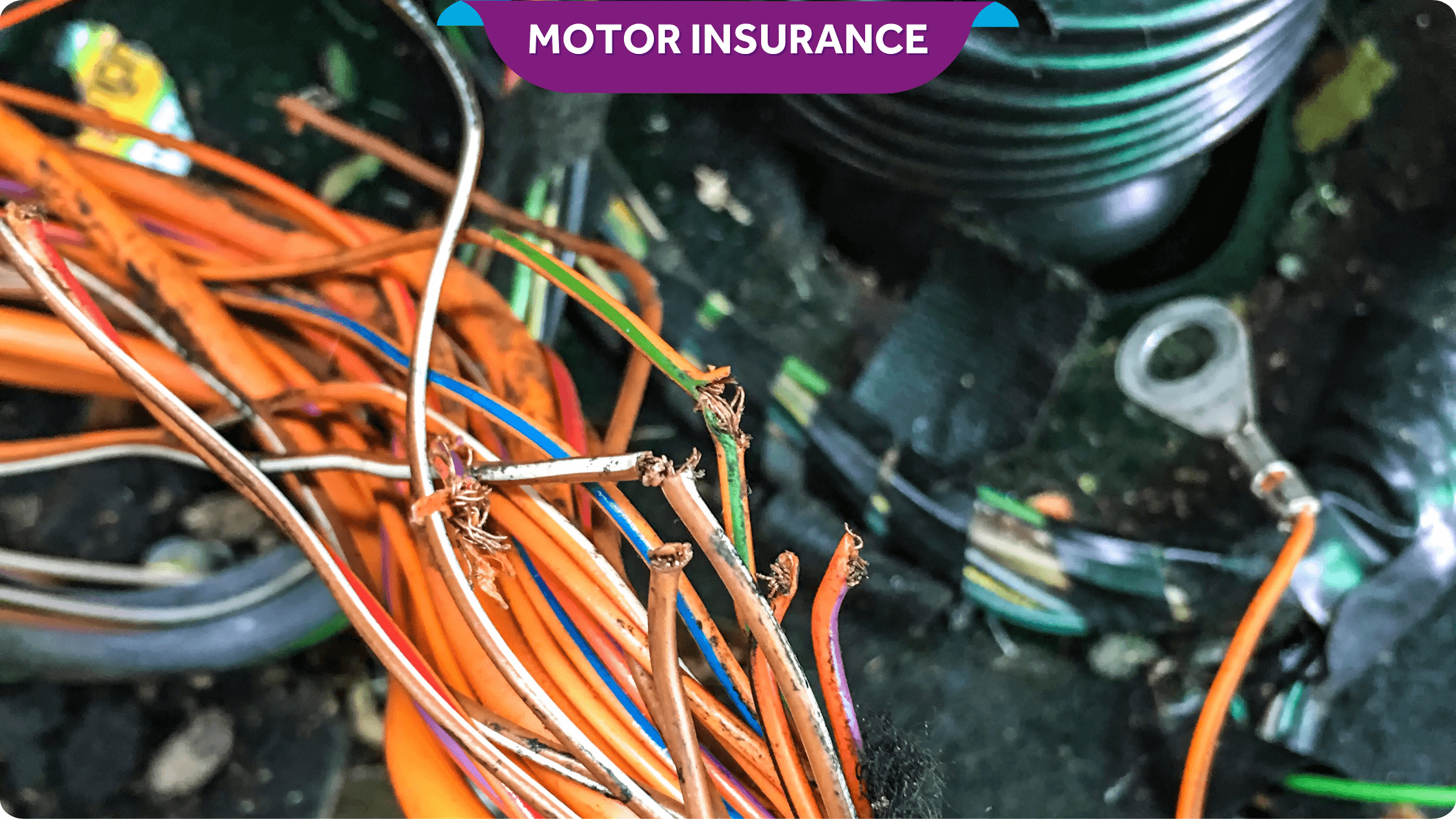
- Wire Damage: Rodents have a habit of chewing wires, which can cause electrical failures and malfunctions in electronic systems.
- Damage to Insulation and Upholstery: They tend to chew through seats, insulation materials, and carpets, leading to costly repairs.
- Engine Malfunction: If they damage critical engine parts such as belts or hoses, it can lead to serious performance issues and breakdowns.
- Brake and Fuel Line Damage: A chewed fuel or brake line can pose serious safety hazards, increasing the risk of accidents.
- Contamination: Droppings, urine, and nests can lead to unpleasant odours, corrosion, and even health risks for the vehicle’s occupants.
- Clogged Air Filters and Ventilation Systems: Rodents often nest in air filter compartments, leading to restricted airflow, reduced HVAC efficiency, and increased fuel consumption.
- Dashboard and Panel Damage: Rodents can crawl into dashboards, leading to malfunctions in air conditioning, sensors, and infotainment systems.
- Chewing on Seat Belts and Plastic Components: This can compromise safety features and lead to costly replacements.
Does Comprehensive Car Insurance Cover Rodent Damage?
Most comprehensive car insurance plans may cover rodent damage. Comprehensive car insurance covers a variety of non-collision-related damages, possibly including those caused by rodents. However, coverage varies from insurer to insurer, so always check the policy details to ensure rodent damage is explicitly mentioned.
Note that the insurance company may not offer coverage for rodent damage caused by your severe non-maintenance or negligence. Hence, it is best to take a proactive approach to maintaining your car across various aspects. This may help ensure that your claim requests are processed smoothly and that you receive a fair settlement amount.
Rodent Damage Covered by Car Insurance
Car insurance rodent damage inclusions and exclusions vary from one insurance company to another. However, the following is a mention of common inclusions that may be present in your insurance plan, depending on insurer terms:
- Electrical wiring damage, leading to malfunctions
- Interior upholstery damage, including seats and carpets
- Engine damage caused by rodents chewing essential components
- Costs related to cleaning, deodorisation, and repair due to rodent infestation
- Replacement costs for damaged air filters and insulation materials
- Potential repairs for brake and fuel line damage, if proven to be caused by rodents.
A Simple Guide to Follow if You Suspect Rodent Damage
If you suspect rodent damage in your vehicle, follow these steps:
1. Document the Damage:
The first step is to capture clear photos and videos of all damaged areas. These visuals need to be uploaded to the insurance company's website or mobile app when filing the claim. A brief written description of the damage, covering its cause and extent, is usually required as well.
2. Report the Damage:
The insurance provider should be informed as soon as the damage is discovered. In many cases, the insurer will also require a damage assessment report, which a certified or empanelled mechanic can prepare.
3. Inspection and Reimbursement:
An insurance company inspector may be sent to the vehicle's parking location to evaluate the damage in person. Once the assessment is verified, the claim may be approved and processed within a reasonable timeframe through an official payment method, subject to policy terms and conditions.
Also Read: Five Motor Insurance Add-ons Explained
How to Prevent Rodent Damage to Your Vehicle?
Consistent maintenance goes a long way in keeping a car in good condition. The following are some practical measures that car owners can take to reduce the risk of rodent damage:
1. Keep Your Car Clean:
Leftover food on the seats is one of the main reason rodents are drawn to vehicles. Chip packets, chocolates, and similar snacks should be discarded properly rather than left inside the car. Even without obvious leftovers, small crumbs can settle into the interiors and attract ants, encourage fungal growth, and, over time, draw rodents as well. Regular vacuuming and interior cleaning help prevent this.
2. Keep Your Surroundings Clean:
The parking environment directly affects rodent exposure. Parking near garbage bins, gardens, or dense vegetation increases the likelihood that rats, cockroaches, and lizards will find their way into a vehicle through its ducts. Designated parking sections, usually maintained by housing societies or companies, are cleaner and more feasible options.
3. Park Your Car Indoors:
Enclosed parking significantly reduces the risk of rodent infestation and protects the vehicle from harsh weather. Where indoor parking is not available, a car cover made of thick, durable material and the right size offers reasonable protection against rodent entry.
4. Seal Entry Points:
The vehicle should be inspected periodically for small openings that rodents could use to get inside. Mesh or appropriate sealants can be used to block these access points.
5. Use Repellents:
Natural deterrents such as peppermint oil, camphor, or mothballs are known to discourage rodents from nesting near vehicles. Electronic ultrasonic repellents are another option.
6. Move Your Car Regularly:
A vehicle left stationary in one spot for too long becomes an attractive nesting site for rodents. Moving the car at regular intervals reduces this risk.
7. Protect Your Engine:
A wire mesh, when placed around the engine bay, acts as a barrier against rodent entry. However, it must not block airflow or components.
Related Blog: What Is Car Engine Protection Cover?
Conclusion
Rodents might be small, but the damage they cause can be costly. Having a comprehensive car insurance policy with rodent cover can save you from unexpected repair expenses. If you own a car, make sure to check whether rodent damage is covered by car insurance before purchasing or renewing your policy.
For reliable coverage, consider SBI General Insurance, as we offer comprehensive car insurance plans, ensuring your vehicle stays safe from unexpected events.
Frequently Asked Questions
1. What is rodent damage?
Rodent damage is caused by rats, mice, or squirrels. They cause damage by chewing essential vehicular components, such as connecting wires.
2. Does insurance cover rat damage?
Whether one’s insurance does cover rat damage depends on the insurer and the plan type. It is best to check policy wordings before proceeding.
3. How much is the car insurance rodent damage cover?
The car insurance rodent damage coverage bracket, inclusions, and exclusions vary from one policy to another. Check your policy details for specific information.
This blog is intended solely for educational and informational purposes. Content reflects data at time of publication and may not accurately reflect current premiums, terms, or regulations. Readers are encouraged to confirm the accuracy and relevance of the data before making any significant decisions. SBI General Insurance disclaims responsibility for any errors or consequences arising from the use of outdated information provided herein. For more details, please refer to the policy wordings and prospectus before concluding the sales. *Add-ons are subject to payment of additional premium.
Access and manage all your Insurance Needs in one place, right at your Fingertips.




4/5*
Access and manage all your Insurance Needs in one place, right at your Fingertips.



Vision
Our vision is to become the most trusted general insurer for a transforming India.
Mission
Our mission is to provide simple and innovative general insurance solutions, be responsive to our customers' needs and build a sustainable business for the future.
We're socially active!