


 Contact Us


 Other Insurance
Car Insurance Surveyor: Role, Responsibilities and Claim Process Explained
Date: Aug 19, 2026 - Last Modified Sep 3, 2026


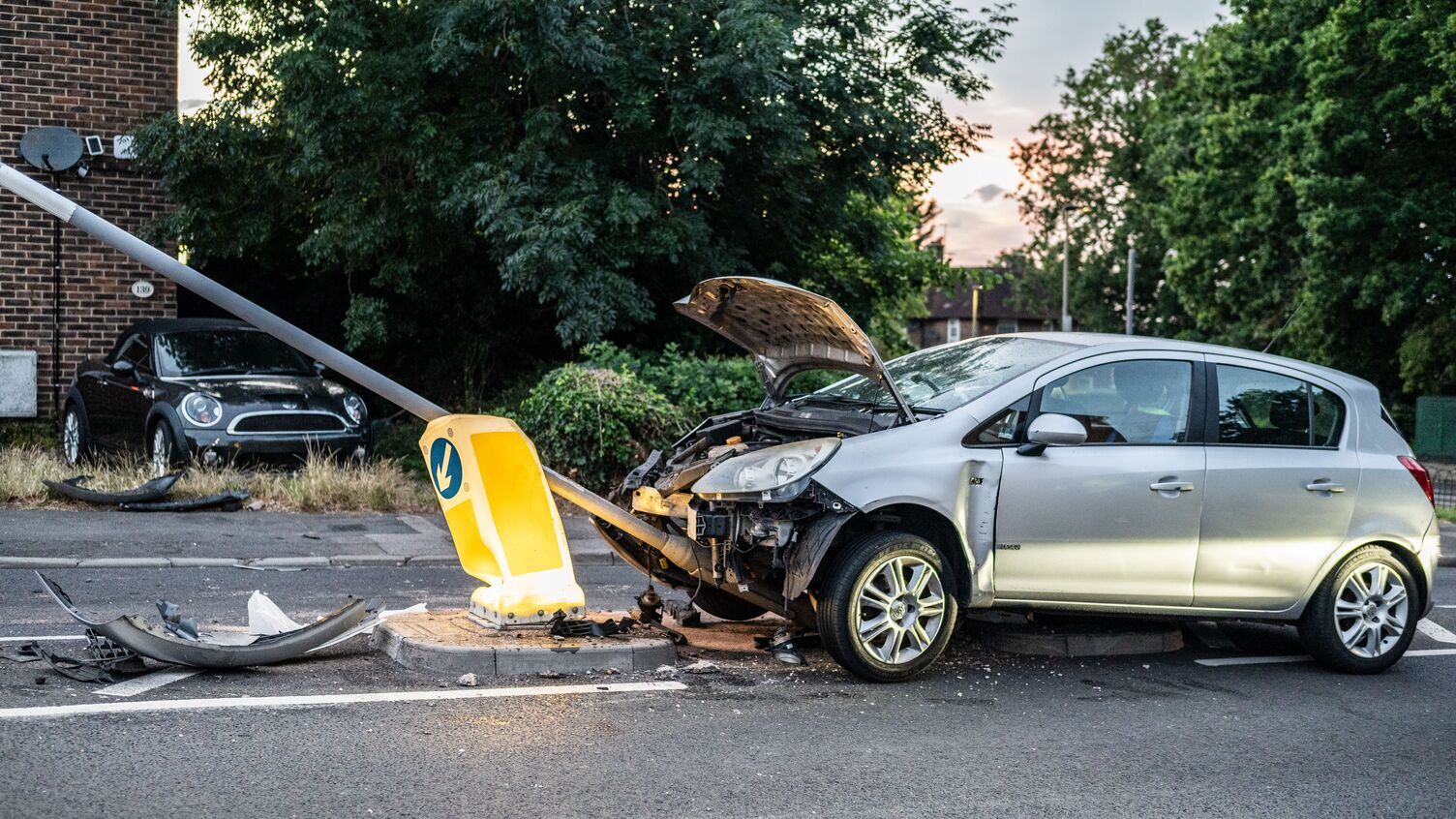
From a cracked bumper to major accidental damage, every claim tells a different story. A car insurance surveyor helps piece that story together by inspecting the vehicle, reviewing relevant details and assessing the likely repair or replacement costs.
Who is a Surveyor in Car Insurance?
A car insurance surveyor is a professional who assesses the insured vehicle’s loss or damage after an insurance claim is reported. Appointed by the insurer, the surveyor inspects the damaged vehicle, reviews the circumstances of the incident and estimates the extent and cost of repairs or replacement.
A motor insurance surveyor is expected to carry out this assessment independently and impartially. The survey report gives the insurer a technical assessment of the damage and helps in evaluating the claim according to the policy terms and conditions.
Why is a Surveyor Important During a Car Insurance Claim?
The role of a surveyor in car insurance is important as their assessment gives the insurer a clearer understanding of the damage and circumstances of the claim.
Here is how a surveyor contributes to the claim process:
Damage Assessment: Inspects the vehicle to assess the nature and extent of damage.
Cause Verification: Checks whether the damage is consistent with the reported incident.
Loss Estimation: Estimates the likely cost of repairing or replacing the damaged parts.
Document Review: Reviews relevant claim details, documents and policy terms.
Survey Report: Records the findings in a report that helps the insurer assess the claim.
When Does an Insurance Company Appoint a Surveyor?
An insurer may appoint a surveyor after a vehicle damage claim is reported, depending on the nature and extent of the loss and the need for an inspection. A car insurance claim surveyor may be appointed in situations such as:
Significant Vehicle Damage: When the damage requires a detailed physical assessment.
Accident Inspection: When the vehicle needs to be inspected at the accident site or garage.
Loss Assessment: When the extent and estimated cost of the damage need to be assessed.
Claim Verification: When the insurer requires an assessment of the damage and circumstances before processing the claim.
For minor damage, a physical surveyor inspection may not always be required, depending on the insurer's claim process.
The Roles and Responsibilities of a Car Insurance Surveyor
Investigation and Assessment: The surveyor examines how the incident occurred, checks damage and estimates loss without favouring any party involved in the claim.
Neutrality and Disclosure: If a personal connection with the policyholder or the incident could affect impartiality, the motor insurance surveyor must disclose it to the insurer.
Detailed Inspection: The inspection should consider the circumstances of the incident and the extent of the damage to ensure that all relevant details are captured in the report.
Prevention of Further Damage: The surveyor may also suggest suitable safety measures to help prevent further loss or damage while the vehicle is awaiting repair.
Cost-related Assessment: The car insurance surveyor may identify coverage issues, exclusions, or discrepancies in the claim details and consider repair costs, replacement costs and applicable depreciation while assessing the loss.
Timely Reporting: Once the assessment is complete, the surveyor must submit the report promptly and follow the stipulated timeline.
What Happens After the Surveyor Submits the Report?
After inspecting the vehicle, the motor claim surveyor submits a report detailing the damage and the assessed loss, including estimated repair or replacement costs. The insurer then reviews the report along with the claim details, supporting documents and applicable policy terms.
The surveyor’s report forms an important part of the claim assessment, but the final decision rests with the insurer. Based on the available information and policy terms, the insurer determines the admissibility of the claim and the payable amount, if applicable.
Tips for Cooperating During a Car Insurance Survey
Share Accurate Details: Provide clear and correct information about the incident and vehicle damage.
Keep Documents Ready: Have the relevant claim and vehicle documents available for review.
Make the Vehicle Accessible: Ensure the surveyor can inspect the vehicle at the agreed location and time.
Avoid Unapproved Repairs: Wait for the required inspection or insurer approval before starting repairs, where applicable.
Respond to Queries: Provide any additional information or clarification requested during the assessment.
Stay Available: Keep your contact details updated and remain reachable for any survey-related communication.
Stay Prepared with the Right Car Insurance
A surveyor plays an important role in assessing vehicle damage, but the overall protection available ultimately depends on your car insurance policy.
Choosing car insurance from SBI General Insurance can help you stay financially prepared for covered vehicle damage and third-party liabilities. With access to 8,700+ network garages, a smooth claims process, 24x7 customer support and presence across 140+ locations, you can get the support you need when dealing with an unexpected incident.
Conclusion
Ultimately, understanding the surveyor’s role can make the claim process easier to navigate. From knowing what to expect during an inspection to keeping the required details ready, a little preparation can go a long way. In addition, being familiar with your policy terms and claim process can help you approach an unexpected vehicle incident with greater clarity.
FAQs
1. Is a surveyor mandatory for every car insurance claim?
No, a surveyor may not be required for every claim. Whether a surveyor is required depends on factors such as the nature and estimated value of the loss and the applicable regulatory requirements.
2. How long does a car insurance survey usually take?
The inspection time depends on the vehicle's location, the extent of damage and the availability of the required documents.
3. Can I be present during the surveyor's inspection?
Yes, the policyholder can generally be present during the inspection. Their presence may help the car insurance surveyor understand the circumstances of the incident and clarify any relevant details.
This blog is intended solely for educational and informational purposes. Content reflects data at time of publication and may not accurately reflect current premiums, terms, or regulations. Readers are encouraged to confirm the accuracy and relevance of the data before making any significant decisions. SBI General Insurance disclaims responsibility for any errors or consequences arising from the use of outdated information provided herein. For more details, please refer to the policy wordings and prospectus before concluding the sales. *Add-ons are subject to payment of additional premium.
Access and manage all your Insurance Needs in one place, right at your Fingertips.



4/5*
Access and manage all your Insurance Needs in one place, right at your Fingertips.


Vision
Our vision is to become the most trusted general insurer for a transforming India.
Mission
Our mission is to provide simple and innovative general insurance solutions, be responsive to our customers' needs and build a sustainable business for the future.
We're socially active!