


 Contact Us


 Other Insurance
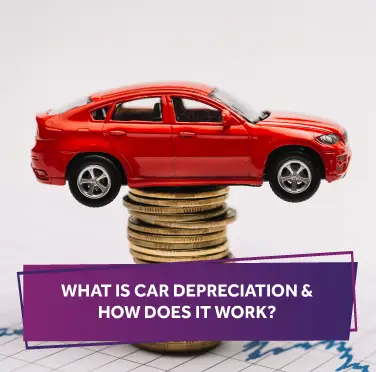
What is Car Depreciation?
Date: Sep 26, 2024 - Last Modified Aug 19, 2026


Owning a car is an exciting milestone that brings convenience and independence. However, it’s equally important to understand the financial side of ownership, especially car depreciation. Understanding how depreciation works can help you make smarter decisions when buying, selling, or insuring your vehicle. In this guide, we explain what car depreciation means, what the depreciation rate for cars is, how it is calculated, the factors that influence it, and what it means for car owners.
What Does Car Depreciation Mean?
The decrease in a car's value over time is known as depreciation. A new car starts depreciating as soon as it leaves the showroom. The car's depreciation significantly affects both insurance rates and the car's resale value. The discrepancy between the vehicle's original purchase price and its current market value is known as car depreciation.
Factors Affecting Your Car's Depreciation Rate
The depreciation rate for a motor car is influenced by several factors:
- Odometer Reading: Increased mileage results in increased wear and tear and accelerated depreciation.Service History: A car's value is preserved by routine upkeep and repairs performed at authorized garages.
- Reliability: Reliability-assured cars lose value more slowly than often malfunctioning ones.
- Length of Warranty: By providing reassurance to potential buyers, extended warranties can help preserve a car's value.
- Fuel Economy: Cars with reduced fuel consumption tend to attract more purchasers, which slows down depreciation.
- Number of Owners: Vehicles with fewer prior owners typically hold better value.
- Make and Model: Some brands and models are more valuable than others because of their reputations for dependability and quality.
How Does Car Depreciation Affect Buyers and Sellers?
A. For Buyers:
While it can be tempting to get the cheapest used car on the market, it's smarter to consider cars with lower depreciation rates. In the long run, these vehicles will likely require less maintenance and be more reliable, which means fewer headaches and reduced ownership expenses.
B. For Sellers:
If you sell a car that is worth a high percentage of its original worth, you may receive a higher price. When it’s time to sell the car, investing in a new car with a reputation for dependability and a reduced depreciation rate can increase your profit.
How Does Car Depreciation Impact Car Insurance?
The following pointers explain how car depreciation impacts car insurance:
Lower premium:
All insurance providers consider the car's value when determining the insurance premium. A higher car value translates to a higher premium because a larger coverage amount would be required for car repair and replacement. Hence, the car’s value depreciates, and the insurance premium reduces as a less significant coverage amount is offered for your car.
Reduced IDV:
IDV stands for Insured Declared Value. It is the maximum amount of money the insurance company will provide you if your car is stolen or lost. The insurance company considers your car’s current value to determine this value. Therefore, when your car’s value depreciates, the IDV is affected too.
The Car Depreciation Curve in India
The car depreciation rates in India are broken down as follows:
Age of Car | Depreciation Rate (%) |
|---|---|
Less than 6 months | 5% |
6 months - 1 year | 15% |
1 year - 2 years | 20% |
2 years - 3 years | 30% |
3 years - 4 years | 40% |
4 years - 5 years | 50% |
The car depreciation rate in India is subject to change as per insurer guidelines.
Ways to Minimise Car Depreciation and Optimise Value
Car depreciation cannot be avoided, but you can slow it down by following these steps:
- Continuous Maintenance: Maintaining the value of your car is easier when you keep it well-maintained with routine servicing.
- Reduce Mileage: To maintain value and reduce mileage, refrain from overusing.
- Make a Wise Choice: To guarantee minimal depreciation, choose models from reliable manufacturers with a solid reputation for dependability.
- Purchase a Vehicle with High Resale Value: Consider purchasing a vehicle with good resale value to prevent fast depreciation rates.
- Zero Depreciation Car Insurance: To receive the claim value without depreciation reductions, consider adding zero depreciation add-on coverage to your insurance policy.
Conclusion
Every car owner must understand their vehicle's depreciation rate. It influences insurance rates, selling prices, and purchasing decisions. You can lessen the annual financial impact of car depreciation by considering comprehensive insurance alternatives, keeping your car in good condition, and selecting cars with lower depreciation rates.
For reliable protection and greater peace of mind, consider car insurance by SBI General Insurance. Our comprehensive car insurance plans are designed to suit a variety of needs and offer wide-ranging coverage against unexpected risks. While car depreciation is inevitable over time, the right insurance can help reduce its financial impact and protect your investment.
Frequently Asked Questions
1. What is car depreciation?
Car depreciation is the reduction in the car's value due to wear and tear caused by usage and age.
2. What is IDV?
IDV is the Insured Declared Value. It is the maximum amount the insurance company will pay you if your car is damaged or lost.
3. How does car depreciation impact insurance?
Car depreciation can lead to lower insurance premiums and a reduced IDV.
This blog is intended solely for educational and informational purposes. Content reflects data at time of publication and may not accurately reflect current premiums, terms, or regulations. Readers are encouraged to confirm the accuracy and relevance of the data before making any significant decisions. SBI General Insurance disclaims responsibility for any errors or consequences arising from the use of outdated information provided herein. For more details, please refer to the policy wordings and prospectus before concluding the sales. *Add-ons are subject to payment of additional premium.
Access and manage all your Insurance Needs in one place, right at your Fingertips.



4/5*
Access and manage all your Insurance Needs in one place, right at your Fingertips.


Vision
Our vision is to become the most trusted general insurer for a transforming India.
Mission
Our mission is to provide simple and innovative general insurance solutions, be responsive to our customers' needs and build a sustainable business for the future.
We're socially active!