


 Contact Us


 Other Insurance
Car Accident Claim Process
Date: Jan 25, 2023 - Last Modified Sep 15, 2026


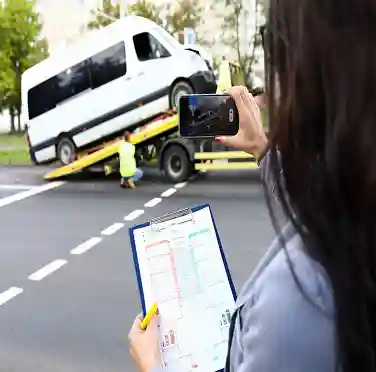
Filing an insurance claim after an accident requires proper documentation and timely communication with the insurer. The car accident insurance claim process typically includes notifying the insurer, submitting necessary documents, and undergoing an inspection before claim settlement.
This article focuses on understanding the procedure for claiming car insurance to help ensure that policyholders can handle situations efficiently and avoid complications.
Documents Required for a Car Accident Insurance Claim
Submitting complete documentation is an important part of the car accident claim insurance process. Missing or inaccurate documents may result in delays or additional verification requirements.
In Case of Accidental Damages
For accident claims, the documents you may need to carry include:
- Duly filled and signed claim form
- Copy of Registration Certificate (RC)
For vehicles less than 3 months old where RC is not available, provide:
- Tax receipts
Vehicle purchase invoice
(Original documents may be required for verification)
- Copy of the driving licence of the person driving the vehicle at the time of the accident
(Original licence may be required for verification)
- PAN card or Form 60
- Police Panchnama / FIR
(Required in case of third-party property damage, death, bodily injury, fire, or malicious damage claims)
- Repair estimate from the workshop where the vehicle will be repaired
- Repair bills and invoices after completion of repairs
Payment receipts for completed repair work
Car Theft Claim Documents
In case of theft of the insured car, individuals may need to submit the following motor insurance policy claim documents to the insurance provider:
Duly filled and signed claim form
Original policy document
Original Registration Certificate (RC)
Valid permit (if applicable)
Fitness certificate (if applicable)
Tax certificate
Load challan (if applicable)
Police Panchnama / FIR
Final Investigation Report from the magistrate’s court under Section 173 CrPC / Non-traceable report
All sets of vehicle keys
Service booklet, warranty card, and original purchase invoice
Acknowledged copy of the letter sent to the RTO informing of theft and declaring “non-use” of the vehicle
Forms 28, 29, and 30 signed by the insured
Form 35 signed by the financier (if applicable), undated and blank
Letter of undertaking
Subrogation letter and discharge voucher
Consent letter for agreed claim settlement value (from insured and financier, if applicable)
No Objection Certificate (NOC) from the financier (if claim is to be settled in your favour)
Here are some of the important details that individuals may need to keep in mind while filing for a car accident claim.
- Policy number
- Contact numbers
- Name of insured person
- Date and time of accident
- Vehicle number
- Make and model of the vehicle
- Location and extent of loss
- Brief description of how the accident took place
- Garage name (with contact details)
- Contact details and name of the insured person
Keeping these documents organised can significantly simplify the procedure for claiming car insurance and improve processing efficiency.
Steps to File a Cashless Car Insurance Claim
Cashless claims may allow policyholders to repair their vehicle at an insurer-authorised network garage without making full upfront payments for covered repairs.
Here are the necessary steps to follow:
Step 1: Inform the Insurer
After the accident, notify the insurance company immediately and provide the necessary details, which may include the extent of the damage.
Step 2: Lodge an FIR
Visit the nearest police station if the damage has been caused due to theft, third-party involvement, or major accidents.
Step 3: Register the Claim
Submit claim intimation through the insurer's website, mobile application, customer service helpline, or branch office. SBI General Insurance allows its customers to file a claim through our offline branches, SMS, toll-free numbers, as well as their website and the SBI General Insurance Mobile App.
Step 4: Locate a Network Garage
Use the list of authorised network garages provided by your insurer. If you are still unable to locate, you may call the insurer's toll-free number to find the nearest network garage. SBI General Insurance customers can use the official mobile app or refer to the website to find their closest network garage.
Step 5: Submit Policy Details
Hand over the car insurance policy details to the garage. They may initiate the cashless car accident claim process on your behalf.
Step 6: Move the Car to a Network Garage
Transport the damaged vehicle to an authorised network garage approved by the insurer.
Step 7: Submit Required Documents
Provide the list of documents required as per the type of claim.
Step 8: Survey and Inspection
The insurer appoints a surveyor who assesses the vehicle damage and verifies claim eligibility.
Step 9: Repair Approval
After inspection, the insurer may authorise repairs according to policy terms and survey findings.
Step 10: Claim Settlement
The insurer settles the approved repair costs directly with the garage. The policyholder may only need to pay deductibles, depreciation charges, or non-covered expenses, if applicable.
In addition to cashless claims, policyholders may also opt for a reimbursement claim process. The key difference lies in how the repair costs are handled.
In a reimbursement claim, the policyholder gets the vehicle repaired at a garage of their choice, which may or may not be part of the insurer’s network. The repair cost is initially paid by the policyholder, after which a claim is submitted to the insurer for reimbursement.
The insurer reviews the submitted documents, including repair bills and invoices, before approving the claim amount as per policy terms and deductibles. Once approved, the reimbursement is credited to the policyholder’s account.
Note: This is a general idea of the claims process. For more details, you can reach out to the insurer.
Common Reasons for Car Insurance Claim Rejection
When individuals raise a car insurance claim, the insurance provider may decide to either decide either approve or reject a claim. The decision might be based on the report presented by the surveyor, and the documents submitted by the policyholder. While most genuine claims are processed successfully, certain situations may result in rejection:
Delay in Claim Intimation
Every insurance provider has a specified time frame within which the policyholder may need to raise a car insurance claim. Failing to do so may result in claim rejections.
If Fraudulent Claims are Raised
The relationship between the insurance provider and the policyholder is based on mutual trust. In case the former forms a fraudulent claim or intentional damage, it may lead to rejection.
If the Car is Driven in a Drunken State
Drunk driving is a legal offence under the Motor Vehicles Act, 1988. Claims arising from accidents involving alcohol or prohibited substances may not be covered.
If Policyholders Drive Without a Valid Licence
According to motor regulations, every person with a car may need to have a valid driver's license. Driving under age or without a valid licence may lead to rejections.
Conclusion
Understanding the car accident claim process is essential for ensuring timely and hassle-free claim settlement after an accident. Swift reporting, accurate documentation, compliance with insurer requirements, and awareness of policy conditions can significantly improve the claims experience.
Selecting a suitable insurance policy from SBI General Insurance and maintaining proper records may help policyholders navigate accident-related situations with greater confidence and financial security.
FAQs
1. How do I file a car insurance claim after an accident?
Inform the insurer immediately, document the accident, submit the required claim form and supporting documents, and follow the insurer's claim settlement procedure.
2. Is FIR mandatory for a car accident claim?
An FIR is generally required in cases involving theft, major accidents, third-party injuries, fatalities, or as otherwise specified by the insurer.
3. What documents are required for a car accident claim?
Common documents include the insurance policy, RC, driving licence, claim form, repair estimates, photographs, and FIR, where applicable.
4. How long does a car insurance claim settlement take?
The settlement timeline depends on factors such as claim complexity, documentation completeness, survey requirements, and policy terms. Simple claims are generally processed faster than complex cases.
This blog is intended solely for educational and informational purposes. Content reflects data at time of publication and may not accurately reflect current premiums, terms, or regulations. Readers are encouraged to confirm the accuracy and relevance of the data before making any significant decisions. SBI General Insurance disclaims responsibility for any errors or consequences arising from the use of outdated information provided herein. For more details, please refer to the policy wordings and prospectus before concluding the sales. *Add-ons are subject to payment of additional premium.
Access and manage all your Insurance Needs in one place, right at your Fingertips.



4/5*
Access and manage all your Insurance Needs in one place, right at your Fingertips.


Vision
Our vision is to become the most trusted general insurer for a transforming India.
Mission
Our mission is to provide simple and innovative general insurance solutions, be responsive to our customers' needs and build a sustainable business for the future.
We're socially active!