


 Contact Us


 Other Insurance
Your Ultimate Guide to Seat Belt Fines and Regulations in India
Date: May 13, 2025 - Last Modified Oct 5, 2026


Seat belts are one of the most fundamental safety features in vehicles, designed to protect passengers during road accidents. Despite their importance, many people in India still neglect to wear them, putting themselves at great risk. With stricter enforcement of seat belt laws under the Motor Vehicles (Amendment) Act, the government aims to reduce fatalities and serious injuries caused by traffic collisions. In this guide, we’ll explore how seat belts work, their significance, the legal implications of not wearing them, and how having a car insurance policy can offer additional protection.
How Do Seat Belts Work?
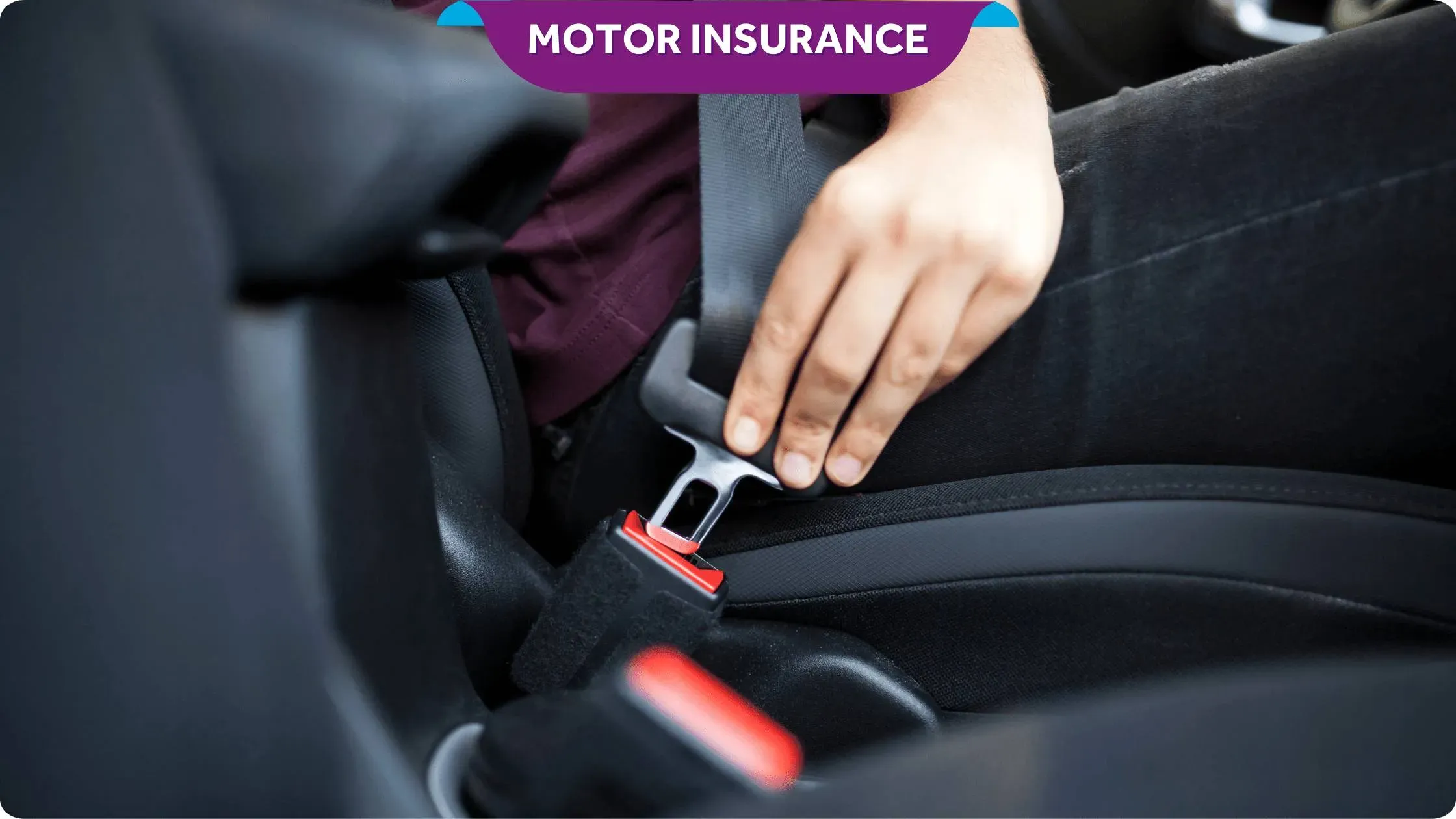
Seat belts function as a crucial restraint system in vehicles, keeping passengers securely in place and reducing the impact of sudden stops or collisions. The mechanism consists of a webbing strap, a retractor, and a locking system, working together to keep occupants safe.
Step-by-Step Working of a Seat Belt
Strap Engagement:
When you pull the belt across your body, the webbing extends from the retractor.
Buckle Locking:
The tongue of the belt clicks into the buckle, securing it in place.
Retractor Mechanism:
If the car stops suddenly, the retractor locks, preventing excessive movement.
Load Distribution:
The belt spreads the force of the impact across stronger areas of the body, such as the chest and pelvis.
Post-Impact Restraint:
The belt keeps passengers from being thrown forward or out of the vehicle, minimising injuries.
Emergency Locking Mechanism:
In case of a crash, the belt mechanism tightens instantly, ensuring minimal movement and maximum protection.
Also Read: Top 9 Useful Accessories for a Car
Importance of Wearing a Seat Belt
1. Safety First
Wearing a seat belt significantly reduces the risk of serious injury or death in the event of a crash. It is one of the simplest yet most effective road safety measures. Statistics show that seat belts reduce the risk of fatal injuries by up to 50% for front-seat passengers and around 25% for rear-seat occupants.
2. Promotes Proper Posture
Using a seat belt helps keep your spine aligned while driving, reducing strain and fatigue, which can lead to better focus and control on the road. Maintaining proper posture is essential for long journeys, as it prevents discomfort and reduces the risk of muscle fatigue.
3. Reduces the Risk of Ejection
Without a seat belt, passengers can be thrown out of the vehicle during high-impact collisions, often resulting in fatal injuries. Ejection from a vehicle increases the likelihood of death by nearly five times, making seat belts a critical safety measure.
4. Avoiding Legal Trouble
Non-compliance with seat belt laws can result in hefty seat belt fines, especially with the recent increase in penalties under the Motor Vehicles (Amendment) Act. By wearing a seat belt, you not only protect yourself but also avoid unnecessary legal consequences and financial penalties.
5. Impact Force Distribution for Safety
A seat belt distributes the force of an accident across the stronger parts of the body, such as the ribcage and pelvis, minimising injury severity. Without a seat belt, the force is concentrated on specific areas, leading to more severe injuries.
6. Aligns Your Body with the Vehicle’s Speed
When a vehicle suddenly stops or crashes, a seat belt ensures your body slows down gradually, reducing the impact. This alignment prevents sudden jerks and protects vital organs from excessive force.
7. Protects Your Brain and Spine
By restraining movement, seat belts help prevent whiplash and head trauma, reducing the chances of spinal cord injuries. Whiplash can lead to long-term pain and mobility issues, making seat belt use essential for overall health and well-being.
8. Promotes a Safety Culture
Wearing a seat belt regularly encourages responsible driving habits and sets an example for passengers, contributing to a safer road environment. When drivers and passengers prioritise safety, it fosters a culture of responsibility and awareness on the roads.
Fine for Not Wearing a Seat Belt in India
Under the Motor Vehicles (Amendment) Act, stricter rules have been introduced to enforce seat belt regulations. The fine for not wearing a seat belt has been increased to ₹1,000, applicable to both drivers and passengers. This move aims to encourage compliance and enhance road safety.
Seat Belts for Rear Seat Passengers
Previously overlooked, rear seat passengers are now also required to wear seat belts. Those found violating this rule are subject to fines. Many people believe seat belts are only necessary for front seats, but research has shown that unrestrained rear-seat passengers pose a danger not just to themselves but also to others in the vehicle. The increased enforcement is a step towards reducing road fatalities caused by unrestrained passengers.
Motor Vehicle Insurance in India
Apart from obeying traffic laws, having a car insurance policy is essential for financial protection. Many insurers offer accidental insurance coverage, which can help cover medical expenses and damages in case of an accident. A comprehensive car insurance policy can provide peace of mind while ensuring compliance with legal requirements.
Importance of Accidental Insurance Coverage
Medical Expenses: This covers hospitalisation and treatment costs in case of an accident.
Vehicle Repairs: Helps with the cost of repairing damages sustained during an accident.
Legal Coverage: Provides financial support in case of legal disputes arising from accidents.
Third-Party Protection: This ensures coverage for damage caused to another person or vehicle. Opting for Third party car insurance helps you meet legal requirements while providing coverage for third-party damages and liabilities.
Choosing a robust motor insurance plan ensures financial security and peace of mind while driving.
Conclusion
Wearing a seat belt is a simple habit that can save lives. The increasing penalties under the Motor Vehicles (Amendment) Act highlight the government’s commitment to reducing road accidents and ensuring safety for all passengers. Along with following seat belt regulations, having a reliable car insurance policy with accidental insurance coverage is crucial for financial security.
This blog is intended solely for educational and informational purposes. Content reflects data at time of publication and may not accurately reflect current premiums, terms, or regulations. Readers are encouraged to confirm the accuracy and relevance of the data before making any significant decisions. SBI General Insurance disclaims responsibility for any errors or consequences arising from the use of outdated information provided herein. For more details, please refer to the policy wordings and prospectus before concluding the sales. *Add-ons are subject to payment of additional premium.
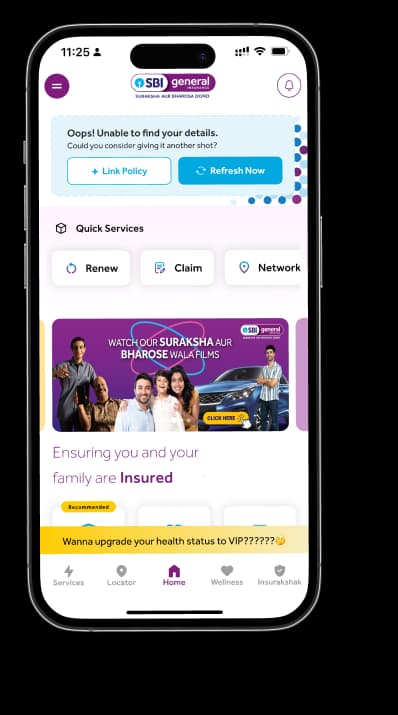
Access and manage all your Insurance Needs in one place, right at your Fingertips.



4/5*
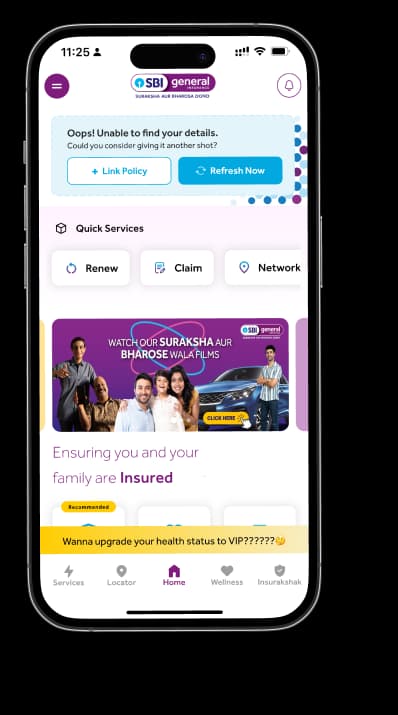
Access and manage all your Insurance Needs in one place, right at your Fingertips.


Vision
Our vision is to become the most trusted general insurer for a transforming India.
Mission
Our mission is to provide simple and innovative general insurance solutions, be responsive to our customers' needs and build a sustainable business for the future.
We're socially active!