


 Contact Us


 Other Insurance
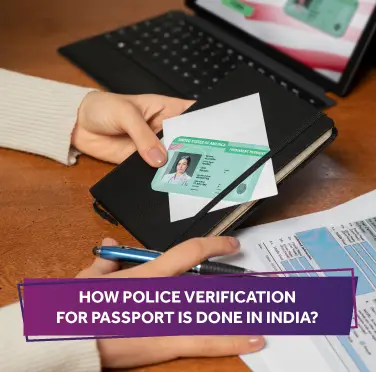
How Police Verification for Passport is Done in India?
Date: Nov 27, 2024 - Last Modified Jul 10, 2026


Passport police verification in India is a process where authorities confirm your identity, address, and background through document checks and a police visit, helping ensure safe and accurate passport issuance.
In India, obtaining a passport is a crucial step for citizens who wish to travel abroad. One of the essential processes involved in issuing a passport is police verification. This process ensures that the applicant’s details are accurate and that there are no criminal records associated with them. Police verification for passport applications is a mandatory step that helps maintain national security and integrity.
This article delves into the intricacies of police verification for passports in India, covering various aspects such as the need for verification, types of verification, the processes involved, and frequently asked questions.
What is Police Verification for Passport?
Police verification for passport renewal or new passports is a process where the local police authorities verify the applicant’s identity, address, and background. This passport verification process is crucial to ensure that the passport is not issued to individuals with criminal backgrounds or those who may pose a threat to national security. If you're wondering, "Do I need to be physically present for passport police verification?", the answer is generally yes. The verification process involves a police officer visiting the applicant’s residence to confirm the details provided in the passport application.
Why Do We Need Police Verification for a Passport?
The primary reason for police verification for passport renewal or new passports is to ensure the authenticity of the applicant’s details and to prevent the misuse of passports. It helps in:
- Verifying the applicant’s identity and address.
- Ensuring that the applicant does not have any criminal records.
- Maintaining national security by preventing the issuance of passports to individuals with malicious intent.
Types of Police Verification for Indian Passport
There are three types of police verification for Indian passports:
1. No Police Verification Required:
In certain cases, such as government employees with a valid identity certificate, police verification may not be required.
2. Pre-Police Verification:
This is conducted before the passport is issued. The police verify the applicant’s details and submit a report to the passport office.
3. Post-Police Verification:
This is conducted after the passport is issued. The police verify the details and submit a report to the passport office. If any discrepancies are found, the passport may be revoked.
Online Police Passport Verification Process
The online process for police verification for a passport involves the following steps:
1. Application Submission:
The applicant submits the passport application online through the Passport Seva website.
2. Police Verification Request:
The passport office sends a request to the local police station for verification.
3. Verification Visit:
A police officer visits the applicant’s residence to verify the details provided in the application, or the individual is called to the police station.
4. Report Submission:
The police officer submits the verification report to the passport office.
Offline Passport Police Verification Process
The offline passport police verification process involves the following steps:
1. Application Submission:
The applicant submits the passport application at the Passport Seva Kendra (PSK).
2. Police Verification Request:
The passport office sends a request to the local police station for verification.
3. Verification Visit:
A police officer visits the applicant’s residence to verify the details provided in the application, or the individual is called to the police station.
4. Report Submission:
The police officer submits the verification report to the passport office.
Documents Required for Indian Passport Police Verification
The documents required for police verification for a passport vary based on the type of application. Generally, the documents’ list will include:
New Passport Application Documents:
1. Proof of identity (Aadhaar card, voter ID, etc.)
2. Proof of address (utility bills, rental agreement, etc.)
3. Proof of date of birth (birth certificate, school leaving certificate, etc.)2. Passport Re-issue/Renewal Documents:
1. Existing passport
2. Proof of address (if changed)
3. Proof of identity (if changed)Related Blog: How to Apply for Reissue of Passport?
Checking Police Verification Status for Passport
The status of police verification for passports can be checked online through the Passport Seva website. The status can be one of the following:
Clear Status:
Adverse Status:
Incomplete Status:
Indicates that the verification is complete and the details are accurate.
Indicates discrepancies or issues found during verification.
This indicates that the verification process is still ongoing.
Multiple Ways to Track Passport Police Verification Status
Applicants can track the status of their police verification for their passport through various methods:
- Online through the Passport Seva website.
- By contacting the local police station.
- By calling the Passport Seva Kendra helpline.
Also Read: ECR in passport
Conditions for ‘No Police Passport Verification Needed’
In certain cases, police verification for a passport may not be required, such as:
- Government employees with a valid identity certificate.
- Applicants reissue their passport before it expires.
Time Taken for Police Verification for Passport
If you're checking your after police verification passport status, the next stage usually involves verification by the passport authorities before the passport is printed and dispatched, provided no discrepancies are found.
Police verification for a passport usually takes a few days to a couple of weeks after application submission. The exact time depends on your location, application type, and how quickly documents are verified by local authorities.
Standard Processing Time for Normal Applications
For normal passport applications, police verification typically happens after submission and may take around 7 to 21 days. The timeline depends on local police workload, accuracy of your details and how promptly you are available for verification when contacted.
Timeline for Tatkal Passport Verification
With the Tatkal scheme, you usually get your passport much quicker, sometimes even before the police verification is done. The verification then happens afterward, typically within a few days to a week, based on when the local police are able to visit.
Factors That May Affect Verification Time
Verification time can vary based on address clarity, police workload, applicant availability and document accuracy. Delays may also occur in remote areas or if additional checks are required by authorities.
Common Reasons for Delay in Passport Police Verification
Delays in police verification usually happen because of small but avoidable issues, like wrong details, missing documents, or being unavailable during visits. Even minor gaps or miscommunications can slow things down and push the process longer than expected.
Incorrect or Incomplete Address Details
If the address mentioned in your application is incorrect, unclear, or incomplete, the police may face difficulty locating your residence. This can lead to repeated visits or requests for clarification, causing unnecessary delays in verification.
Unavailability During Police Visit
If you miss the police visit, things can get delayed a bit. They may have to come again or ask you to visit the station, which can add some extra time to the overall process.
Document Mismatch or Missing Proofs
If the details in your police verification documents required don’t match what you have filled in, it can raise questions during verification. Missing papers or unclear copies may mean you will have to submit them again, which can slow things down and delay the overall process.
Conclusion
Police verification for passports is a critical step in ensuring the authenticity and security of passport issuance in India. It involves verifying the applicant’s identity, address, and background to prevent misuse of passports. The process can be conducted online or offline, and the status can be tracked through various methods. Understanding the importance and process of police verification for passports helps applicants prepare better and ensures a smooth application process.
Additionally, securing travel insurance, such as comprehensive plans offered by SBI General Insurance, adds an extra layer of protection, helping travellers stay financially and medically secure throughout their journey.
Frequently Asked Questions
1. Is police verification required for a passport?
Yes, police verification is a mandatory step for issuing a passport in India.
2. Can police reject passport verification?
Yes, if discrepancies or criminal records are found, the police can submit an adverse report, leading to the rejection of the passport application.
3. Will the police notify me before conducting the verification?
Yes, the police usually send a passport police verification message to the applicant before visiting for verification.
4. Does obtaining a new passport with a new address require police verification?
Yes, if the address has changed, police verification is required to confirm the new address.
5. What happens if police verification fails for a passport?
If police verification fails, the passport application may be rejected, and the applicant will be notified of the reasons.
6. What will happen if we miss the police verification for our passports?
If the applicant is not available during the police visit, they can reschedule the verification by contacting the local police station.
7. How long will my passport arrive after police verification?
Your passport is usually dispatched within a few days after the police verification report is submitted.
8. I need to get my passport verified; should I go to the police station?
No, the police will visit your residence for verification. You do not need to go to the police station. In some cases, the individual may be called to the police station for verification.
9. What if the police visit while I am not there?
If you are not available during the police visit, you can reschedule the verification by contacting the local police station.
10. Can I reschedule my passport police verification date?
Yes, you can reschedule the verification by contacting the local police station.
11. Is police verification mandatory for minors?
Generally, passport police verification for minors is not required up to the age of 18, provided their parents hold valid passports. However, it is best to confirm this with official authorities.
This blog is intended solely for educational and informational purposes. Content reflects data at time of publication and may not accurately reflect current premiums, terms, or regulations. Readers are encouraged to confirm the accuracy and relevance of the data before making any significant decisions. SBI General Insurance disclaims responsibility for any errors or consequences arising from the use of outdated information provided herein. For more details, please refer to the policy wordings and prospectus before concluding the sales. *Add-ons are subject to payment of additional premium.
Access and manage all your Insurance Needs in one place, right at your Fingertips.



4/5*
Access and manage all your Insurance Needs in one place, right at your Fingertips.


Vision
Our vision is to become the most trusted general insurer for a transforming India.
Mission
Our mission is to provide simple and innovative general insurance solutions, be responsive to our customers' needs and build a sustainable business for the future.
We're socially active!