


 Contact Us


 Other Insurance
Understanding Travel Insurance Premiums for International Trips
Date: Oct 19, 2025 - Last Modified Aug 6, 2026


Booking flights, planning itineraries, and researching destinations are often the most exciting parts of preparing for an international trip. Yet, one important aspect that travellers sometimes overlook is travel insurance.
Unexpected situations can arise at any stage of a journey, whether it is a medical issue overseas, a delayed flight, or baggage that does not arrive as planned. Travel insurance is designed to help manage some of the costs that may result from such events.
For this reason, many travellers look into the cost of travel insurance in India before their departure. Since premiums are based on factors such as destination, duration, and traveller profile, it helps to understand what goes into the pricing before choosing a policy.
How Much Does Travel Insurance Cost You?
The travel insurance cost in India depends on the traveller, destination, and policy selected. There is no fixed premium that applies to every trip.
In many cases, travel insurance may account for only a small portion of the overall trip budget. However, the final premium depends on the extent of coverage and the risk profile of the traveller.
For example:
A young traveller taking a five-day trip to Singapore may pay a relatively low premium.
A senior citizen travelling to the United States for several weeks may pay a higher premium due to age and healthcare costs in the destination country.
When comparing policies, it is important to focus not only on price but also on benefits, exclusions, deductibles, and claim limits.
The travel insurance price in India may appear attractive for some plans, but lower premiums sometimes come with reduced coverage limits or fewer benefits.
Domestic vs International Travel Insurance Cost Comparison
The cost of travel insurance can vary significantly depending on whether the trip is within India or overseas.
Domestic Travel Insurance
Travel within India is generally associated with lower medical and travel-related risks. Medical treatment is usually more accessible and familiar, and travellers are less likely to face issues such as passport loss, emergency evacuation from a foreign country, or overseas medical emergencies.
As a result, domestic travel insurance plans are often available at a lower premium.
International Travel Insurance
Travelling abroad usually involves a different set of risks and expenses. Medical treatment in many countries can be considerably more expensive than in India. In addition, travellers may require coverage for situations such as medical emergencies, trip cancellations, baggage loss, passport loss, or emergency evacuation.
Because of these additional risks and higher potential costs, international travel insurance premiums are generally higher.
A Simple Example
Consider two travellers. One is taking a four-day trip from Mumbai to Goa, while the other is spending ten days in France. The traveller visiting France may need broader coverage for overseas medical treatment, travel disruptions, baggage-related issues, and emergency assistance. As a result, the cost of travel insurance is likely to be higher for the international trip than for the domestic one.
This is why travel insurance premiums often differ between domestic and international journeys.
Factors Affecting the Premium of a Travel Insurance Policy
Several factors influence the travel insurance premiums that Indian insurers charge.
Destination
The destination is one of the most significant pricing factors.
Countries with high healthcare costs generally attract higher premiums because insurers may have to cover larger medical expenses.
Age of the Traveller
Older travellers typically pay more because they are statistically more likely to require medical assistance during a trip.
Young travellers and students often have access to more affordable options.
Trip Duration
Longer trips usually require higher premiums because the period of coverage is extended.
A two-week trip will often cost less to insure than a two-month stay abroad.
Coverage Amount
Policies with higher coverage limits generally cost more than those offering basic protection.
Number of Travellers
Family and group plans may offer cost advantages compared with purchasing multiple individual policies.
Type of Policy
Travellers can choose between:
Single-trip policies
Multi-trip policies
Annual travel plans
Frequent travellers often find annual policies more economical than purchasing separate policies for every journey.
Pre-Existing Medical Conditions
Some insurers may charge additional premiums or impose conditions when covering pre-existing medical conditions.
Understanding Inclusions, Exclusions, and Claim Limits
When comparing policies, premium cost should not be the only consideration.
Travellers should also review:
Coverage Limits
Every benefit has a maximum payout amount. A higher limit may offer better protection, but can also increase the premium.
Deductibles
Some travel insurance policies include a deductible, which is the portion of a claim that the policyholder is responsible for paying. In general, plans with higher deductibles may have lower premiums, while plans with lower deductibles may cost more.
Exclusions
Every travel insurance policy has certain situations that are not covered. These exclusions vary by insurer but may include:
Injuries caused intentionally
Activities that fall outside the policy's coverage
Travel undertaken against medical advice
Claims linked to alcohol or substance misuse
Certain pre-existing medical conditions
Reviewing deductibles, exclusions, coverage limits, and policy terms can provide a clearer picture of the protection being offered. This helps travellers assess the overall value of a policy instead of comparing plans solely on the basis of the travel insurance price in India.
Also Read: What Does Travel Insurance Not Cover
List of Countries Where Travel Insurance is Mandatory
Several destinations require visitors to carry travel insurance as part of their entry or visa requirements.
Examples include:
Schengen countries in Europe
United Arab Emirates
Cuba
Turkey
Thailand (conditional)
Travellers should always verify the latest visa and insurance requirements before departure.
Tips for Choosing Cost-Effective Travel Insurance
Finding affordable coverage does not necessarily mean choosing the cheapest option available.
Here are a few practical ways to manage the international travel insurance costs:
Compare Multiple Plans
Look at several policies before you decide. Coverage can be very different even if the premiums seem similar.
Buy Coverage Based on Actual Needs
Do not pay for add-ons that you probably will not need for your trip.
Consider Annual Plans
Frequent travellers may save money by purchasing annual coverage rather than multiple single-trip policies.
Review Coverage Limits
When comparing policies, it is worth looking beyond the premium amount. A lower-cost plan may offer lower claim limits, which could affect the level of financial protection available during a trip.
Understand the Policy Terms
Before purchasing a policy, it helps to review the terms and conditions carefully so you know which benefits are available and which limitations may apply.
Purchase Early
Buying travel insurance soon after booking your trip may provide access to additional benefits and cancellation protection.
Travellers looking for cheap travel insurance should focus on overall value rather than simply selecting the lowest-priced plan.
If you are looking at travel insurance plans in India, take time to compare both prices and benefits before you buy.
Conclusion
Many things affect travel insurance premiums, like your destination, age, trip length, coverage amount, and policy type. Knowing how insurers set these prices can help you make better choices and avoid paying for coverage you do not need.
Choosing travel insurance involves more than comparing prices. Understanding what is covered, what is excluded, and the level of support available can help travellers make a more informed decision.
For those researching travel insurance plans in India, comparing policies across insurers can be a useful starting point. SBI General Insurance offers travel insurance solutions designed to cater to a variety of travel preferences and requirements.
FAQs
1. How much does travel insurance cost in India?
Travel insurance premiums are influenced by factors such as the destination, traveller's age, duration of the trip, coverage selected, and the type of policy purchased. In general, international travel tends to cost more to insure than domestic travel.
2. What factors affect travel insurance premiums?
Key factors include destination, traveller age, trip duration, coverage limits, policy type, and any pre-existing medical conditions.
3. Is travel insurance cheaper when booked early?
In some cases, purchasing travel insurance soon after booking a trip may provide better pricing options and additional benefits.
4. Do travel insurance costs vary by destination?
Yes, the travel insurance premium in India can differ as per the destination. Countries with higher healthcare costs or greater travel risks generally result in higher insurance premiums.
5. Which is the best travel insurance plan in India?
The best policy is usually the one that matches your travel plans and coverage requirements. Comparing different options can help you find a plan that offers the protection you need at a price you're comfortable with.
This blog is intended solely for educational and informational purposes. Content reflects data at time of publication and may not accurately reflect current premiums, terms, or regulations. Readers are encouraged to confirm the accuracy and relevance of the data before making any significant decisions. SBI General Insurance disclaims responsibility for any errors or consequences arising from the use of outdated information provided herein. For more details, please refer to the policy wordings and prospectus before concluding the sales. *Add-ons are subject to payment of additional premium.
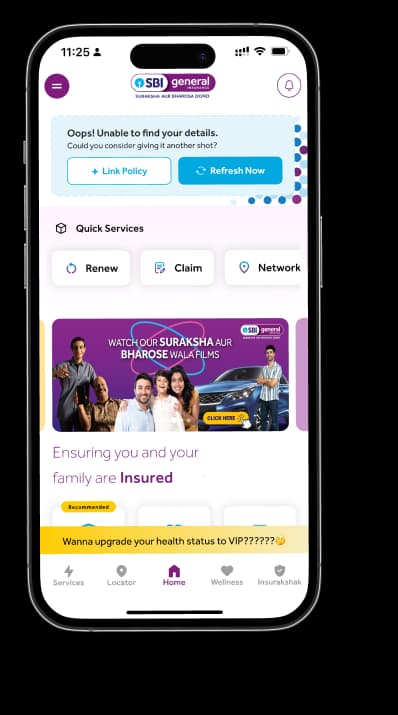
Access and manage all your Insurance Needs in one place, right at your Fingertips.



4/5*
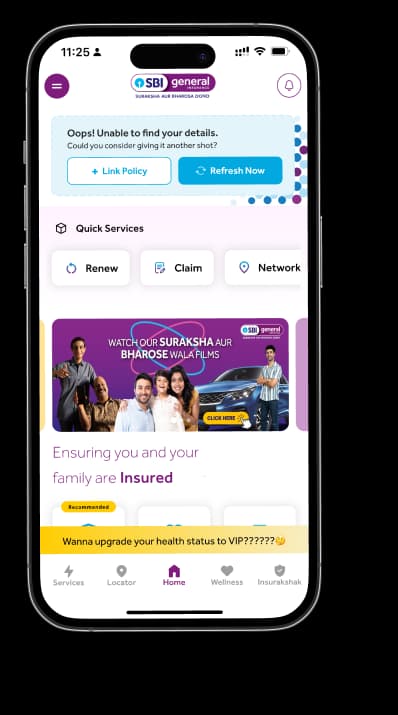
Access and manage all your Insurance Needs in one place, right at your Fingertips.


Vision
Our vision is to become the most trusted general insurer for a transforming India.
Mission
Our mission is to provide simple and innovative general insurance solutions, be responsive to our customers' needs and build a sustainable business for the future.
We're socially active!