


 Contact Us


 Other Insurance
A Comprehensive Guide on Virtual Network Security
Date: Apr 25, 2025 - Last Modified Apr 9, 2026


Virtual networks are greatly important for organisations and people in this continuously evolving digital era. These networks allow users to access the internet from a distance and share information, software, and hardware devices across different locations. However, like any other network connected to the internet, virtual networks are also at risk of various security threats. For these systems and the data they back, it's necessary to have clear information about Virtual Network Security. This article explores what a virtual network is, how it works, the security measures that can be applied, and answers to some frequently asked questions.
What Is a Virtual Private Network?
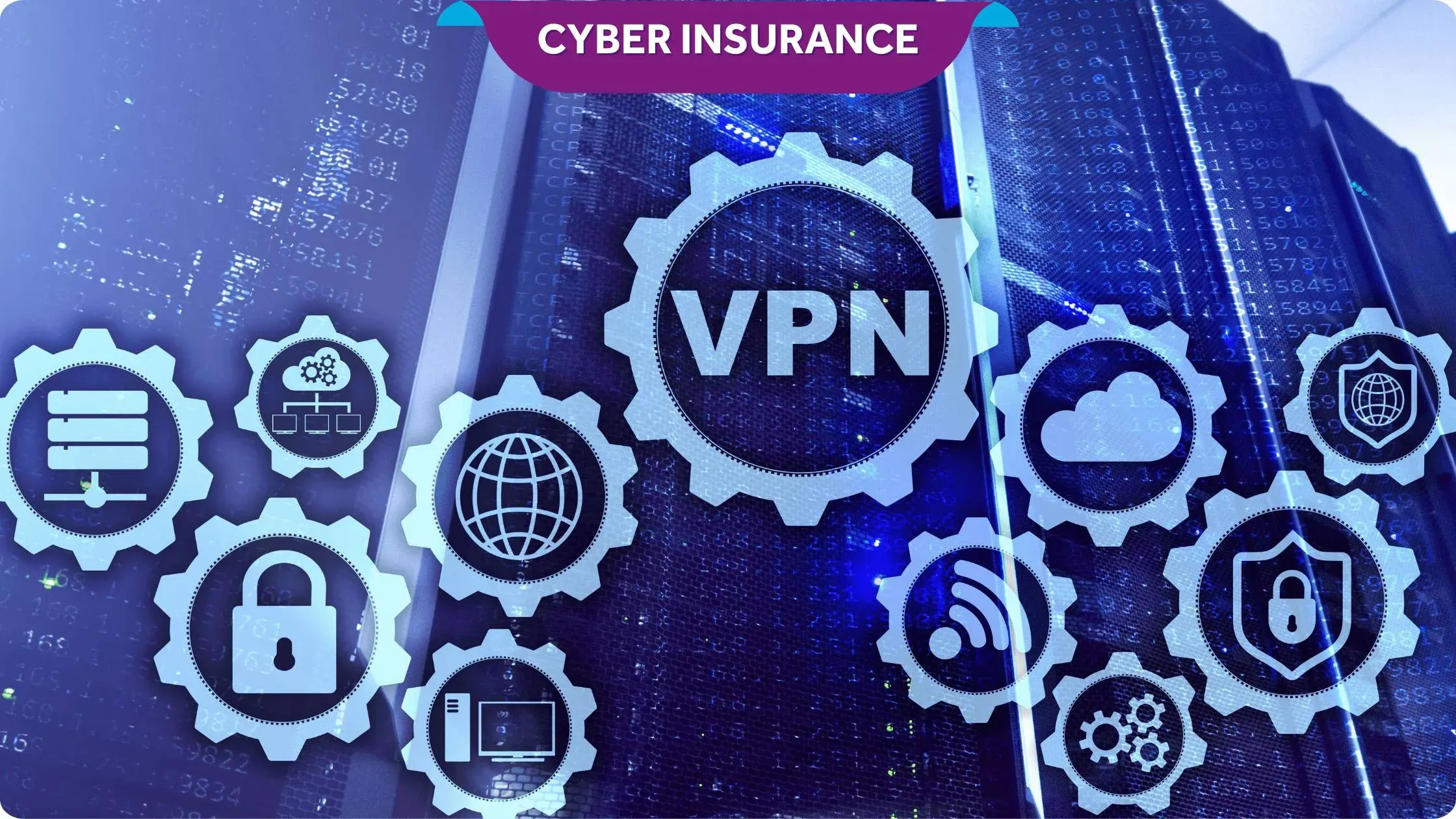
A Virtual Private Network (VPN) is a network that's raised on the Web through the use of dedicated connections, permitting clients to communicate over the Web as if the devices are connected to a single private network. It does this by building up a secure connection between the client and their network so that anything that passes through the sanctuary is secure from hackers.
VPN innovation can be used by commerce companies to provide work online to get to resources of the company; to standard individuals who wish to bypass topographical limitations on Web content; and by people who watch about their obscurity on the Internet and don't want to report it to ISPs, advertisers, and other third parties. For this study, a virtual network requires the utilisation of a Virtual Private Network (VPN) service or computer program. These services supply the demanded encryption and security methods to make the virtual networks perform as asked.
How Do Virtual Networks Work?
Virtual networks utilise diverse technologies and protocols blended in such a way as to guarantee reliable communication between components on the open web. Whenever a user connects to a VPN, all their data is encrypted using a specific protocol such as Openvpn, L2TP/IPSec, PPTP, or others. This encryption makes it possible to send data without any third party being able to understand what is being exchanged between the two parties.
Also, the data gets transferred on all features of waiters out on the internet before its final destination and is deciphered. It also creates a secure tunnel that connects the user's device to the network. This also includes waiters of VPN providers in different geographic locales for those who can simply choose the stylish to match druggies and serve obscurity.
Therefore, virtual networks may be used as an effective, secure, and universal alternative to the conventional approach of using specific tackle characteristics for networking. Since software-grounded technologies allow for delivering end-to-end insulated and controlled networks, organisations will manage to make the demanded networking terrain.
Virtual Networks Security Measures
To ensure the security of data transmitted over this ecosystem,a virtual network has to be secured. To ensure this, a few basic measures can be taken to upgrade the security of a virtual network.
Encryption:
Encryption is the main control system for the security of a virtual network. Information passing through networks is guaranteed to be inapproachable to unintended druggies by security programs. Through Openvpn, L2TP/ IPSec or PPTP, the data is decoded using advanced encryption styles like AES-256 or RSA 2048.
Access Control:
A few security measures that are requested in virtual networks are to implement controls that are likely to diminish illegal access to the network. Strict verification strategies, like two or multi-factor authentication, may be utilised with effort control as it will permit only endorsed individuals in the network.
Network Policies:
Business control inside a network is upheld using network programs. Similar measures include programs that set rules to allow or block certain types of communication, setting up firewalls to filter incoming or outgoing data, and using intrusion detection systems that can identify potential threats to the network’s security.
Regular Updates and Patch Management:
Network security in virtual surroundings relies heavily on the security rooted in the software, and similarly, time-aged software remains a clear weak point. Streamlining all the software rudiments of the virtual network and all the tackle connective rudiments with security patches is crucial to achieving maximum security.
Cyber Insurance Policy:
For diverse companies out there, a cyber insurance policy can offer assistance in the virtual network security procedure. Cybersecurity protection secures an organisation against misfortunes and harm amid cyberattacks and information breaches, empowering organisations to work securely without fear.
Related Blog: What Does the Future of Cyber Insurance Entail?
Conclusion
A virtual network, compared to all other shapes of systems, has to be secured as well as have limited access as it will have set approaches, standard overhauls, as well as, fix administration. Moreover, protections against cyber dangers might ensure commercial substances from mishaps or harm from cyber offenders/programmers. With the assistance of these activities, clients can protect their virtual organisation and ensure information security from distinct guilty parties.
Frequently Asked Questions
Q1. What are some of the security threats?
Cybersecurity threats consist of various threats such as malware, phishing, ransomware, denial-of-service (DoS) attacks, and social engineering. These dangers point to taking information, disturbing systems, or causing harm.
Q2. Is there a way I can check on the security strength of a virtual network?
You can check the security strength of a virtual network by using tools like Microsoft Defender for Cloud, which provides security baselines and monitoring.
Q3. Free VPNs – are they capable of providing a secure connection to virtual networks?
Free VPNs can provide basic security, but they often lack advanced features and may have limitations. Premium VPNs generally offer better protection and privacy.
This blog is intended solely for educational and informational purposes. Content reflects data at time of publication and may not accurately reflect current premiums, terms, or regulations. Readers are encouraged to confirm the accuracy and relevance of the data before making any significant decisions. SBI General Insurance disclaims responsibility for any errors or consequences arising from the use of outdated information provided herein. For more details, please refer to the policy wordings and prospectus before concluding the sales. *Add-ons are subject to payment of additional premium.
Access and manage all your Insurance Needs in one place, right at your Fingertips.




4/5*
Access and manage all your Insurance Needs in one place, right at your Fingertips.



Vision
Our vision is to become the most trusted general insurer for a transforming India.
Mission
Our mission is to provide simple and innovative general insurance solutions, be responsive to our customers' needs and build a sustainable business for the future.
We're socially active!