


 Contact Us


 Other Insurance
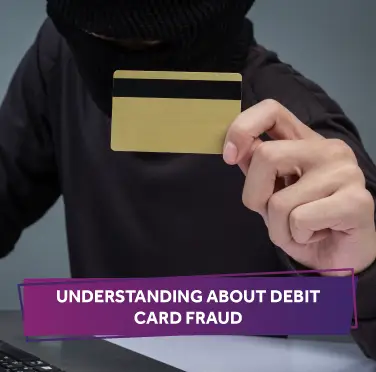
Understanding About Debit Card Fraud
Date: Oct 16, 2024 - Last Modified Jan 19, 2026


Debit card fraud is a growing concern as the world moves toward cashless transactions. Whether you're shopping online, withdrawing money from an ATM, or making a quick payment at a store, your debit card is vulnerable to misuse if you're not careful. In this guide, we’ll explore debit card fraud, how to detect it, and, most importantly, how to protect yourself from becoming a victim. We'll also cover what steps to take if you fall victim to fraud and answer some frequently asked questions.
What is Debit Card Fraud?
Debit card fraud occurs when someone illegally uses your debit card or card details to make unauthorized transactions, withdraw money, or commit fraud. Unlike credit card fraud, where the bank or credit card company bears much risk, debit card fraud can directly affect your account balance, leading to immediate financial loss.
In most cases, fraudsters either steal your card, skim your card information, or trick you into giving them your PIN or other sensitive details. Since the money comes directly from your bank account, it’s crucial to act quickly if you notice any suspicious transactions.
Types of Debit Card Fraud
There are several types of debit card fraud, and awareness of them is the first step toward protecting yourself.
Card Skimming:
Fraudsters install devices on ATMs or payment terminals that capture your card’s magnetic strip information and PIN. They then clone your card to withdraw funds or make purchases.
Phishing Scams:
This involves fraudsters sending fake emails or messages pretending to be from your bank or a legitimate business. They trick you into providing your card details, login credentials, or PIN.
Also Read: What You Need to Know About Phishing?
Card Theft:
Physical theft of your debit card is one of the most straightforward ways fraud occurs. If your card is stolen and you haven't reported it immediately, the thief can use it to make unauthorized transactions.
Online Fraud:
Fraudsters use your card information for unauthorized online transactions. They often obtain your details through phishing websites or data breaches.
Card Not Present (CNP) Fraud:
In CNP fraud, your card is not physically used, but the fraudster uses the card number and security details (like CVV) to make purchases online or over the phone.
How to detect Debit Card Fraud
Detecting debit card fraud early can help you minimize your financial loss. Here’s how you can spot it:
Unfamiliar Transactions:
Keep a close eye on your bank statements and online banking accounts. If you see any unfamiliar transactions, especially from places you’ve never visited or websites you haven’t used, it’s a red flag.
Multiple Small Transactions:
Fraudsters sometimes test the waters with small transactions before making larger withdrawals. A series of small debits might be an early sign of fraud.
SMS or Email Alerts:
Many banks offer real-time notifications for every transaction. If you receive alerts for transactions you didn’t authorize, immediately contact your bank.
ATM Notifications:
Some ATMs now notify you if your card has been used at multiple machines within a short period. This could indicate debit card fraud through skimming or card cloning.
Actions to take after Debit Card Fraud
If you suspect or confirm debit card fraud, act quickly to limit your losses. Here’s what you should do:
Report the Fraud:
Contact your bank immediately and report the unauthorized transactions. Filing a debit card fraud complaint as soon as possible will increase your chances of recovering your money.
Block the Card:
Your bank will block your debit card to prevent further fraud. They may then issue you a new card and PIN.
Check Your Transactions:
Review your recent transactions and identify any other unauthorized activities. Make sure to highlight these when you file your complaint.
File a Police Report:
Your bank may require a police report as part of the investigation process for certain types of fraud.
Monitor Your Account:
Even after reporting the fraud, keep an eye on your bank account. Sometimes, additional fraudulent charges can occur even after your card is blocked.
Cyber Insurance:
If you have cyber insurance, contact your insurer to see if your policy covers any financial loss from debit card fraud. Cyber insurance policies increasingly offer protection against digital crimes like phishing and online fraud.
Tips to save yourself from Debit Card Scams
Use Secure Websites:
When shopping online, ensure the website URL starts with "https://" and has a secure padlock symbol. Avoid entering card details on dubious websites.
Avoid Public Wi-Fi for Transactions:
Public Wi-Fi is often insecure, and fraudsters can intercept your card information. Always use a secure network when making payments or accessing your bank account.
Enable Two-Factor Authentication:
If your bank has two-factor authentication, enable it. This adds an extra layer of security, as you'll need to verify your identity with a code and your password or PIN.
Use Virtual Cards for Online Purchases:
Some banks offer virtual cards specifically for online purchases. These cards can be used temporarily and expire after a set period, limiting your exposure to fraud.
Regularly Monitor Your Accounts:
Make it a habit to check your account frequently. This will help you catch unauthorized transactions before they become larger problems.
Set Transaction Limits:
Many banks allow you to set transaction limits or daily spending caps. Setting a lower limit can prevent large unauthorized transactions if your card is compromised.
FAQs
How do I recover my debit card fraud?
Contact your bank when you discover fraudulent transactions to recover your money from debit card fraud. Report the issue, file a debit card fraud complaint, and follow the bank's procedures for investigating the scam. While the bank investigates, it may refund the stolen amount, depending on its policy.
Do banks refund scammed money?
In most cases, banks will refund the stolen amount if you report the fraud promptly and weren't negligent with your card information. However, the bank may not provide a refund if the fraud was due to your actions (like sharing your PIN).
Can someone use my debit card without my PIN?
Someone can use your debit card without your PIN, especially for online purchases or contactless payments. That’s why it's crucial to keep your card details secure and monitor your account for unauthorized transactions.
Can I track who used my debit card online?
While you can't directly track who used your debit card, your bank may have security measures to trace the fraudulent activity. They can check IP addresses or locations where the card was used and work with authorities to investigate.
Conclusion
Debit card fraud is an unfortunate reality of modern banking, but being vigilant and proactive can significantly reduce risk. Understand the types of debit card fraud, detect suspicious activity early, and take the right actions if you fall victim. Following the tips outlined above and considering added protection like cyber insurance, you can safeguard your financial information and hard-earned money. Stay informed, stay secure!
Disclaimer: The above information is indicative in nature. For more details on the risk factor, terms and conditions, please refer to the Sales Brochure and Policy Wordings carefully before concluding a sale.
This blog is intended solely for educational and informational purposes. Content reflects data at time of publication and may not accurately reflect current premiums, terms, or regulations. Readers are encouraged to confirm the accuracy and relevance of the data before making any significant decisions. SBI General Insurance disclaims responsibility for any errors or consequences arising from the use of outdated information provided herein. For more details, please refer to the policy wordings and prospectus before concluding the sales. *Add-ons are subject to payment of additional premium.
Access and manage all your Insurance Needs in one place, right at your Fingertips.



4/5*
Access and manage all your Insurance Needs in one place, right at your Fingertips.


Vision
Our vision is to become the most trusted general insurer for a transforming India.
Mission
Our mission is to provide simple and innovative general insurance solutions, be responsive to our customers' needs and build a sustainable business for the future.
We're socially active!