


 Contact Us


 Other Insurance
Best Foods for Knee Joint Pain and Overall Joint Wellness
Date: Feb 12, 2026 - Last Modified Feb 12, 2026


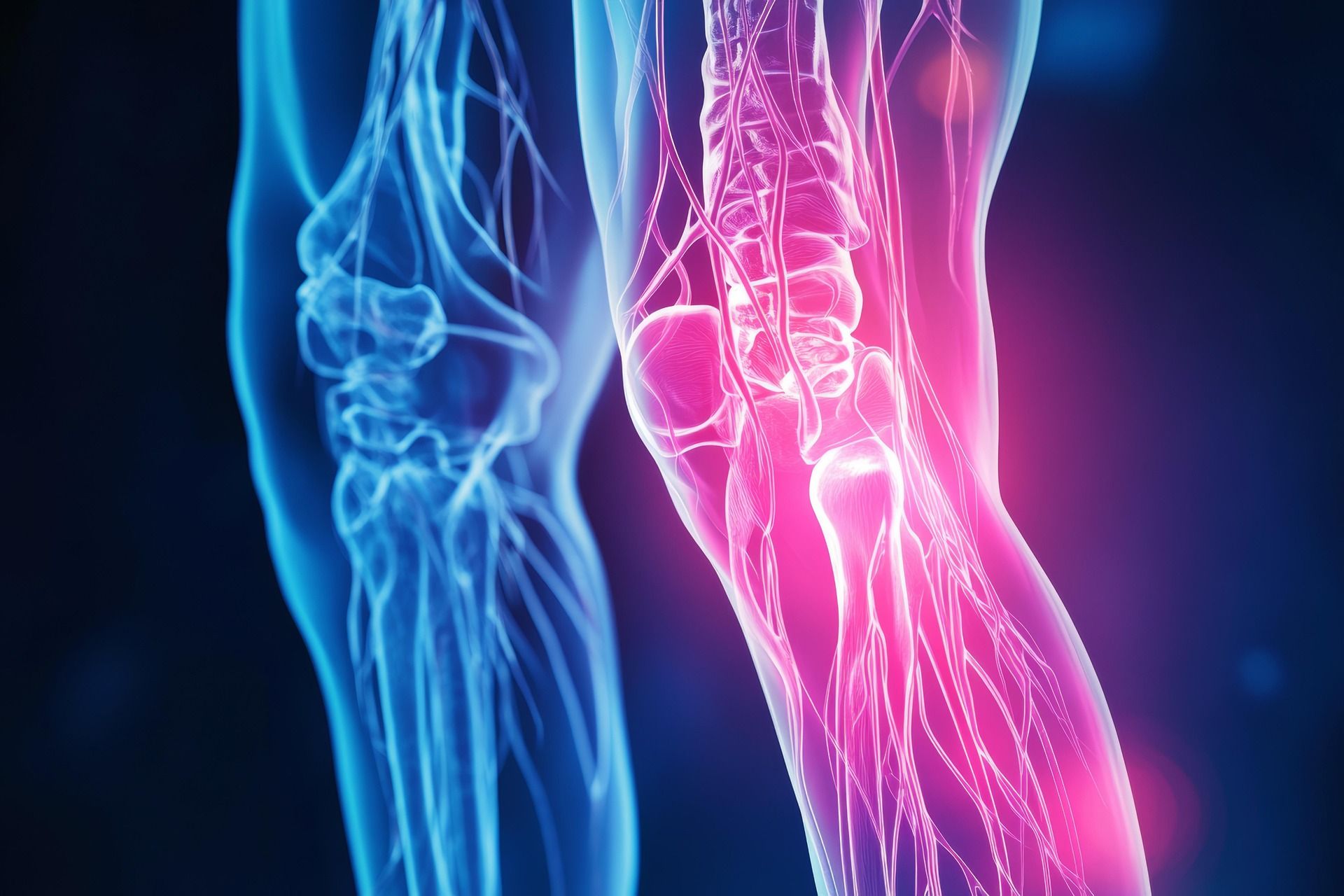
Joint pain and stiffness can affect daily life, whether from age, injury, or conditions like osteoarthritis. Individuals brush off the pain, but it can eventually lead to reduced mobility, reduced productivity, and a lower overall quality of life. Eating the right foods can help reduce inflammation, protect cartilage, and support bone strength.
Best Foods for Joint Health
Here are the best choices to add to your diet.
1. Fatty fish (salmon, sardines, mackerel)
Fatty fish have omega‑3 fats that help reduce swelling and pain in the joints. They supply EPA and DHA, omega‑3s that lower inflammation and can reduce symptoms. Thus, they can be ideal for people seeking the best foods for knee joint pain.
2. Nuts and seeds (walnuts, flaxseed, chia)
Nuts and seeds provide ALA, magnesium, and antioxidants that help lower inflammation; these are often recommended as one of the best foods for joint pain because they may reduce stiffness and support overall joint comfort when eaten regularly.
3. Berries and citrus fruits
Fruits high in vitamin C and polyphenols support collagen production and protect tissues, making them among the top foods for joint health and useful for people looking to strengthen cartilage and reduce wear.
4. Leafy greens and cruciferous vegetables (spinach, kale, broccoli)
Leafy and cruciferous vegetables supply vitamin K, calcium, and antioxidants that support bone and joint structure, so they rank highly for joints and bone health.
5. Legumes (beans, lentils, chickpeas)
Legumes are rich in fibre and plant protein, helping control weight and lower systemic inflammation. For many people, these are practical, everyday options among the best foods for aching joints, because they may help reduce pressure on weight‑bearing joints.
6. Whole grains (oats, brown rice, quinoa)
Choosing whole grains instead of refined carbs can help improve inflammatory markers and maintain a healthy weight, both of which are important when selecting foods for joint health to reduce stress on knees and hips.
7. Extra‑virgin olive oil
Olive oil contains anti‑inflammatory polyphenols. Incorporating extra‑virgin olive oil into meals is often recommended, as studies link such diets to lower inflammation.
In addition to a healthy diet, a health insurance policy is the next step towards protecting your health. Health insurance covers medical consultations, pre- and post-hospitalisation, long-term treatment, and more.
Additional Tips to Maintain Joint Health
Maintain a healthy weight to lower pressure on knees and hips.
Combine diet with low impact exercise and strength training.
Limit processed foods, excess sugar and trans fats that worsen inflammation.
Consult your doctor before starting supplements, especially if you take medications.
Cutting down on these harmful foods and, at the same time, eating the best foods for knee joint pain can help reduce joint pain. This helps improve mobility and have healthier joints in the long run.
Conclusion
It is essential to keep joints in good condition to be independent, productive, and enjoy life. Adding foods for joint health in your diet, along with other anti-inflammatory and bone-enriching foods, will not only reduce pain, but will also maintain cartilage and enhance your mobility day by day.
With a comprehensive health insurance policy from SBI General, individuals can access healthcare regularly, receive the latest medical treatments, and benefit from long-term health management. Having a healthy diet with proper health insurance can help you protect your joints and help you live your life with full confidence.
FAQs
1. Can certain foods actually reduce knee joint pain?
Eating anti-inflammatory foods such as oily fish, olive oil, berries, and vegetables helps reduce inflammation and support the formation of healthy cartilage. Sticking to a diet consistently will lead to improvements in joint stiffness and overall comfort.
2. Is diet sufficient to control arthritis and other chronic joint disorders?
The diet can contribute significantly to overall joint support, but most chronic joint disorders require medical consultation, physiotherapy, and possibly long-term medication or surgery. A combination of adequate nutrition and appropriate medical intervention delivers more efficient, longer-lasting joint treatment.
3. What is the impact of obesity on the health of knees and joints?
Carrying excess body fat increases pressure on weight-bearing joints, such as the knees and hips, thereby accelerating cartilage destruction. Achieving and maintaining an ideal weight is one of the most effective ways to reduce joint burden and lower the risk of future joint damage.
4. What are some natural ways to enhance joint health?
To naturally improve joint health, eat an anti-inflammatory diet, maintain a healthy weight, and exercise. Getting enough sleep, staying hydrated, and regularly stretching are equally beneficial, as they help to keep the joints lubricated, flexible, and functional.
This blog is intended solely for educational and informational purposes. Content reflects data at time of publication and may not accurately reflect current premiums, terms, or regulations. Readers are encouraged to confirm the accuracy and relevance of the data before making any significant decisions. SBI General Insurance disclaims responsibility for any errors or consequences arising from the use of outdated information provided herein. For more details, please refer to the policy wordings and prospectus before concluding the sales. *Add-ons are subject to payment of additional premium.
Access and manage all your Insurance Needs in one place, right at your Fingertips.




4/5*
Access and manage all your Insurance Needs in one place, right at your Fingertips.



Vision
Our vision is to become the most trusted general insurer for a transforming India.
Mission
Our mission is to provide simple and innovative general insurance solutions, be responsive to our customers' needs and build a sustainable business for the future.
We're socially active!