




Individual Health Insurance
Individual health insurance is a health coverage plan tailored to your medical needs. It's a contract between you and the insurer where you pay a premium, and in return, the insurance company covers your healthcare expenses as per the policy terms.
This coverage includes hospitalisation, surgeries, doctor's fees, and post-treatment care. With rising medical costs, having a Read More...
This coverage includes hospitalisation, surgeries, doctor's fees, and post-treatment care. With rising medical costs, having a Read More...
What is Individual Health Insurance?
Individual health insurance is a policy designed to cover the medical expenses of a single person. When you buy individual health insurance, you pay premiums to the insurer, which covers your healthcare costs as outlined in your policy. This includes hospital stays, surgeries, doctor visits, and medication costs.
Depending on the policy, it might also cover pre- and post-hospitalisation expenses, daycare procedures, and emergency ambulance services. Individual health plans provide a financial safety net, ensuring you can access quality healthcare without worrying about the costs.
Why choose Individual Health Insurance?
Getting individual health insurance has multiple benefits. It provides customised coverage that meets your health needs and protects you against medical emergencies. You can customise your plan to include critical illness coverage, maternity benefits, and more.
Unlike employer-provided insurance, comprehensive individual insurance stays with you regardless of job changes, offering portability. It also gives you the freedom to select your preferred doctors and hospitals. With comprehensive individual insurance plans, you gain peace of mind knowing you have financial support during unexpected health issues, making it a wise investment in your well-being.
How Does an Individual Health Insurance Policy Work?
When you buy individual health insurance, you pay an annual premium based on age, health condition, and coverage amount. Upon falling ill or needing medical treatment, you can either go for cashless treatment at network hospitals, where the insurer settles the bills directly or pay out-of-pocket and later file for reimbursement.
Claims require submitting documents like hospital bills, medical reports, and prescriptions. Individual insurance plans often cover hospitalisation, surgeries, doctor consultations, and more. Understanding the policy's inclusions and exclusions is crucial to ensure you're adequately covered.
Benefits of buying personal health insurance policy online
- Ease of Comparison: Easily compare multiple individual health insurance plans from different providers.
- Convenience: Purchase from the comfort of your home without visiting insurance offices.
- Time-Saving: Complete the entire process quickly, avoiding lengthy paperwork.
- Access to Information: Get detailed policy information, helping you make an informed decision.
- Instant Quotes: Receive immediate premium estimates based on your inputs.
- Customisation: Adjust coverage limits, add riders, or choose deductibles according to your needs.
- Secure Transactions: Reputable sites ensure your personal and financial information is protected.
- Paperless Process: Minimal or no physical paperwork reduces hassle.
- Flexibility: Initiate the purchase anytime, whether during the day or late at night.
Things to Look at When Buying an Individual Health Insurance Plan
- Analyse Coverage Options: Evaluate the coverage options provided by the health insurance plan to ensure it meets your healthcare needs.
- Premium Costs: Compare the premium costs of different plans to find one that fits your budget without compromising on coverage.
- Exclusions: Carefully review the exclusions to understand what is not covered by the insurance plan.
- Network Hospitals: Check the insurer’s network hospitals to ensure your preferred healthcare providers are included.
- Claim Process: Understand the claim process, especially the availability of cashless facilities at network hospitals.
- Additional Benefits: Look for additional benefits like critical illness cover or maternity benefits that may be important to you.
- Waiting Period for Pre-existing Conditions: Pay attention to the waiting period for pre-existing conditions to know when you can start claiming for them.
- Policy Renewal Conditions: Examine the policy’s renewal conditions and criteria for premium increases.
- Compare Policies Online: Comparing different policies online can help you make an informed choice and ensure you select the best individual health insurance for your needs.
What is covered under Individual Health Insurance Plans?
- Hospitalisation Expenses: Covers room charges, nursing, doctor’s fees, and surgery costs.
- Pre-Hospitalisation and Post-Hospitalisation: Medical costs before and after hospitalisation for a specified period.
- Day Care Procedures: Treatments that don't require an overnight hospital stay.
- Ambulance Charges: Costs of ambulance services for emergencies.
- Emergency Care: Coverage for sudden illnesses or accidents.
- Domiciliary Treatment: Home treatment when hospitalisation is unnecessary.
- Organ Transplants: Costs related to organ transplantation and post-operative care.
- AYUSH Treatment: Coverage for Ayurveda, Yoga, Naturopathy, Unani, Siddha, and Homeopathy treatments.
What is not covered under Individual Health Insurance Plans?
Individual health insurance plans often exclude certain conditions and treatments.
- Typically, cosmetic surgeries, dental treatments, and infertility treatments are not covered.
- Depending on the policy terms, pre-existing conditions might have a waiting period before coverage begins.
- Experimental treatments and alternative therapies outside of AYUSH might also be excluded.
- Injuries resulting from self-harm or participation in hazardous activities are generally not covered.
It's essential to read the policy document carefully to understand all exclusions and ensure that there are no surprises during a claim.
Eligibility Criteria for Individual Health Insurance
To be eligible for individual health insurance, you must be
- An Indian resident aged between 18 and 65, though some plans cater to younger and older age groups.
- You'll need to disclose your medical history, including pre-existing conditions, and might be required to undergo a medical examination based on your age and coverage amount.
- Accurate and complete information about your health is crucial during the application process.
- Being able to pay the premiums and meeting the insurer’s renewal criteria are also essential for maintaining coverage.
How to buy an Individual Health Insurance policy online?
- Research and Compare: Review various individual health plans from different insurers.
- Choose an Insurance Provider: Select a reputable insurance company of your own choice and finalise it.
- Visit the Website: Go to the insurer’s official website.
- Find the Health Insurance Section: Navigate to the health insurance plans page.
- Use Online Tools: Use calculators to estimate premiums based on your details.
- Select Your Preferred Plan: Go to the plan that fits your needs and your individual situation,
- Customise: Adjust coverage limits and add riders if applicable.
- Fill Out the Application: Provide accurate personal and medical information.
- Upload Documents: Submit necessary documents like ID proof and medical records.
- Calculate Premium: Review the calculated premium.
- Review and Confirm: Check all policy details.
- Make Payment: Pay the premium online.
- Receive Policy Documents: Get your policy via email.
- Policy Servicing: Set up an online account for policy management.
- Customer Support: Contact support if needed during the process.
Documents Required for Individual Health Insurance
- Proof of Identity: Passport, driving licence, Aadhar, PAN card, or government-issued photo ID.
- Proof of Address: Passport, driving licence, bank statement, or any government-issued address proof.
- Medical Records: Documents detailing your medical history and any pre-existing conditions.
- Income Proof: Sometimes required, such as salary slips or IT returns.
- Age Proof: You should have age proof, such as a birth certificate, school certificate, or passport.
- Photographs: Recent passport-sized photographs
Things to keep in mind while buying an Individual Health Insurance Plan
When buying individual health insurance, consider the extent of coverage and the premium costs. Ensure your preferred hospitals and doctors are in the insurer's network for cashless treatment. Understand the claim process thoroughly, including the required documentation. Check the waiting period for pre-existing conditions and specific treatments. Review the add-on covers, like critical illness or maternity benefits, to enhance your policy. Compare different policies online to find the best fit. Lastly, read the policy document carefully to understand the inclusions, exclusions, and terms for a hassle-free experience.
Individual Health Insurance - FAQs
Certainly, if you're already covered under your employer's group plan, you might wonder about the necessity of a separate family health insurance.
Here's the deal: while group plans typically offer some coverage, they often come with limitations and might not cover every member of your family. Plus, these plans usually cease when you leave the job. An individual health insurance plan ensures continued coverage, even during employment transitions. It's like having an extra layer of protection, especially considering the rising healthcare costs.
Absolutely! It's perfectly legal and practical for an individual to hold multiple insurance policies. Let's say you have one policy through your employer and decide to purchase an individual health insurance plan for added coverage.
Having multiple policies doesn't mean you get double benefits; instead, it provides extra protection and can help cover expenses that might exceed a single policy's limits. However, be transparent with both insurers about your coverage to avoid complications during claims.
Regarding pricing, individual health insurance plans offer a range of options to fit different budgets. Age, health condition, desired coverage, and add-ons influence the premium.
While individual plans can be cost-effective, especially if you're young and healthy, the premium might increase as you age or opt for extensive coverage. However, the peace of mind and security provided by individual health insurance often outweigh the cost, making it a worthwhile investment in your well-being.
Choosing the best individual health insurance plan depends on your health needs, budget, and preferences. There's no one-size-fits-all answer. Some might prefer plans with comprehensive coverage, including add-ons like maternity benefits or critical illness coverage.
Others might prioritise affordability or specific features like a vast network of hospitals. It's essential to compare different plans, considering factors like coverage limits, premiums, exclusions, and customer reviews, to find the one that suits you best.
Yes, many individual health insurance plans offer maternity coverage as an optional add-on. Maternity coverage typically includes prenatal care, delivery, and postnatal care expenses.
However, it's essential to carefully review the terms and conditions of the policy, including waiting periods and coverage limits, as they can vary among insurers. Adding maternity coverage to your individual health insurance plan ensures financial assistance during one of life's most significant milestones, providing peace of mind for growing families.
Individual health insurance rates are determined based on several factors, including age, health status, coverage amount, and geographic location. Younger individuals generally pay lower premiums, while older individuals or those with pre-existing conditions might face higher rates.
The chosen coverage level and any add-ons or riders influence the premium. Insurance companies assess the risk associated with insuring an individual and adjust the rates accordingly. Shopping around and comparing quotes from different insurers can help you find the most competitive rates for your individual health insurance plan.
Latest Articles On Insurance

September 17, 2026
Health Benefits of Ghee
Ghee has been a part of Indian food traditions for thousands of years, with references to it found in ancient ...
View More
September 17, 2026
Health Benefits of Barley Water
Barley water has been enjoyed for generations as a simple way to add the goodness of barley to the diet. Made ...
View More
September 17, 2026
Health Benefits of Blueberries
A single cup of blueberries contains thousands of naturally occurring plant compounds, including the anthocyan...
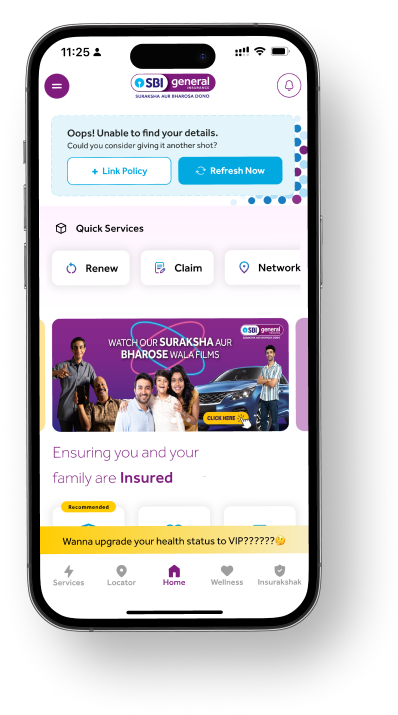
View MoreAccess and manage all your Insurance Needs in one place, right at your Fingertips.






4/5*
Vision
Our vision is to become the most trusted general insurer for a transforming India.
Mission
Our mission is to provide simple and innovative general insurance solutions, be responsive to our customers' needs and build a sustainable business for the future.
We're socially active!