


 Contact Us


 Other Insurance
Tadasana: Procedure, Benefits, and Contraindications
Date: Dec 2, 2025 - Last Modified May 20, 2026


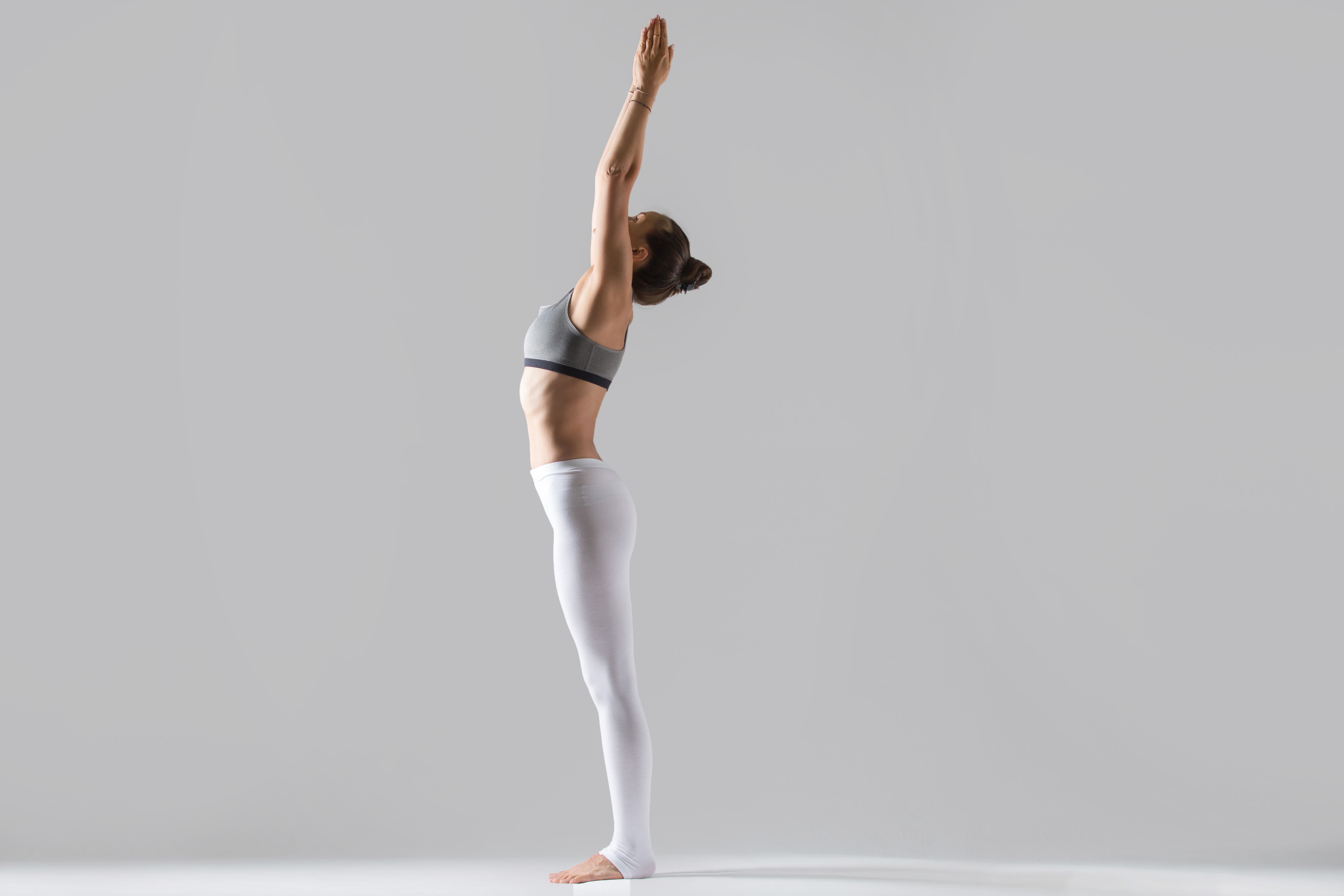
Tadasana, also known as Mountain Pose, is one of the most basic yet important yoga postures. Simple to perform and suitable for different age groups, it helps improve posture, balance, and body alignment while promoting stability and focus. Many people practise this pose to feel more energetic, calm, and physically balanced in their daily routine. Commonly discussed Tadasana benefits include better posture, improved balance, muscle strengthening, and relaxation through controlled breathing and mindful movement.
What is Tadasana?
The name Tadasana is derived from the Sanskrit words “Tada”, meaning mountain, and “Asana”, meaning pose, reflecting the essence of this posture. Just as a mountain stands strong and unwavering against the elements, Tadasana step by step teaches how to develop upright and confident body alignment. It serves as a reminder of balance and serenity while offering a strong foundation for practising many other yoga poses.
How to Perform Tadasana?
To perform this pose, stand tall with your feet firmly together and grounded evenly on the floor. Stretch your arms straight alongside the body, allowing the fingers to point downward naturally. Tadasana focuses on proper posture, body alignment, balance, and controlled breathing, making it one of the foundational yoga poses for beginners and regular practitioners alike. Practising this posture may help improve body alignment while also encouraging a sense of calmness and stability, much like a mountain standing steady and balanced.
Advantages of Tadasana for Health:
- Enhances Posture: Tadasana may help improve posture by encouraging proper spinal alignment and reducing slouching. This can support better back and neck positioning.
- Strengthens Legs and Core: This relaxing pose strengthens legs, ankles, and core muscles. It enhances stability and balance.
- Supports Better Body Alignment: Regular practice of Tadasana stretches the spine and encourages upright body posture. This is one of the most notable Tadasana benefits.
- Enhances Circulation: Tadasana mildly enhances the circulation of blood in the body. This maintains the heart and muscles.
- Promotes Relaxation: Standing upright and breathing deeply relaxes the mind and relieves stress.
- Enhances Concentration: This asana helps improve focus and concentration.
- Stimulates Digestion: This pose may stimulate the abdominal organs and support healthy digestion when practised regularly.
- Improves Lung Capacity: Tadasana can help expand the chest area, which may support deeper and more controlled breathing.
Tadasana Step-by-Step Procedure
Keep your feet together, and your arms relaxed alongside your body.
Press both feet firmly into the ground and maintain an even balance.
Lift the chest gently while keeping the shoulders relaxed and free from tension.
Raise the arms straight overhead if comfortable, keeping them aligned with the body.
Look straight ahead and take slow, deep breaths.
Hold the pose comfortably for around 30 seconds to 1 minute.
Slowly lower the arms and relax the body.
Tips for Practising Tadasana
- The Tadasana procedure should be done in the morning, on an empty stomach.
- Relax the body and breathe slowly.
- Pay attention to your posture.
- Train more to achieve improved outcomes.
Easier Versions of Tadasana
- Keep feet in a slightly open position in case one is unable to balance.
- Support may be used on a wall for the Tadasana procedure.
- It is better to practice with arms at the side in case it is hard to lift them.
Common Mistakes to Avoid While Practicing Tadasana
- One mistake people often make is locking their knees too hard, which can put unnecessary strain on the joints.
- It is also quite common to forget engaging the core, which may lead to a weaker posture.
- Letting the shoulders slump or pushing the hips too far forward can take away from the effectiveness of the pose.
- Another thing to watch out for is how your weight is spread; many people don’t realise they are not standing evenly on both feet.
- Focus on standing tall, keeping your spine neutral and breathing steadily to get the most out of Tadasana.
Note: Avoid practising if you have severe balance issues or recent injuries. It is always advisable to learn the correct posture from a trained yoga expert and consult a healthcare professional if needed.
Types of Tadasana
The basic Tadasana is simple, but there are a few variations you can try to keep your practice engaging.
- One common variation is raising your arms overhead, which adds a gentle stretch through the entire body.
- You can also try lifting your heels and standing on your toes; this helps improve balance and works your calf muscles.
- Some people like to focus on slow, steady breathing while holding the pose, which makes it more calming and mindful.
These small changes still follow the same idea of good posture and alignment, while helping different muscle groups stay active.
When to Practise and How Often?
Tadasana can be practised at any time of the day, but mornings are often ideal as the body feels fresh and receptive. It is usually done on an empty stomach or at least 2–3 hours after a meal.
For beginners, practising for 5–10 minutes daily is a good start. You can gradually increase the duration as your body becomes more comfortable with the posture. It also works well as a warm-up before other yoga poses.
Consistency matters more than duration. Even short, mindful sessions can improve posture, balance and overall body awareness over time.
How Tadasana Supports Daily Life?
Tadasana teaches you how to stand correctly, which directly impacts your daily routine. Whether you are standing in a queue, cooking or working at a desk, better posture reduces strain on your back and shoulders.
Many people who practise it regularly notice less fatigue and improved balance. It also helps you become more aware of your body alignment, making everyday movements smoother and more efficient.
Wrapping Up
The Tadasana yoga pose is very simple yet powerful. The health benefits of Tadasana include enhancing posture, making the body stronger, and keeping it relaxed and concentrated. It is important to do it safely and to consult a certified yoga teacher in case one has some health concerns.
Taking Health a Step Further: Securing Health Insurance
Maintaining overall health is important for long-term well-being. Practising Tadasana step by step may help support posture, balance, and physical fitness as part of a healthy lifestyle. However, unexpected medical situations can arise at any time. Having health insurance can help individuals stay financially prepared for hospitalisation and treatment-related expenses. Individuals looking for coverage options can also explore health insurance plans from SBI General Insurance based on their healthcare needs and financial preferences.
FAQ about Tadasana
1. What are the primary advantages of Tadasana?
Tadasana enhances posture, builds leg and core muscles, enhances blood flow, and relieves stress.
2. What is the benefit of Tadasana in back pain and back correction?
The health benefits of Tadasana include improved spinal alignment, stronger back muscles, and better posture. Regular practice may also help reduce strain on the back and support overall posture correction over time.
3. What are the precautions that I need to take when practising Tadasana?
Individuals with low blood pressure, severe back, knee, or ankle injuries, balance-related conditions such as vertigo, or specific medical concerns should practise Tadasana with caution and under professional guidance if required. Pregnant individuals may also consider consulting a doctor or a qualified yoga instructor before practising yoga poses. The practice should be stopped immediately if dizziness, pain, or discomfort occurs.
4. What is the best length of time for Tadasana?
The duration of the pose should be 30 seconds to 1 minute, with emphasis on deep breathing and body positioning. Repeat this Tadasana procedure 2-3 times.
5. Is Tadasana safe for Kids and Beginners?
Yes, children and beginners can practise Tadasana with support, such as standing against a wall for better balance and posture alignment. The pose should be practised gradually and carefully to help maintain stability and correct body positioning.
6. Are there any physical ailments for which Tadasana should not be practised?
Individuals who have undergone severe spinal, ankle, knee, or hip surgery or suffer from migraines, vertigo, or blood pressure problems should consult a doctor before practising this pose or consider avoiding it altogether.
7. How many steps are there in Tadasana?
Tadasana typically involves 5–7 simple steps, including standing straight, aligning the spine, engaging muscles and focusing on breathing.
8. Why is Tadasana called the ‘mountain pose’?
It is called the mountain pose because it reflects stability, strength and stillness, just like a mountain standing tall and grounded.
9. Does Tadasana help reduce back pain?
Yes, regular practice can help reduce mild back pain by improving posture and strengthening supporting muscles.
10. Can I do Tadasana after meals?
It is better to practise on an empty stomach or after a gap of a few hours to avoid discomfort.
11. Which areas of the body does Tadasana target?
It mainly works on the legs, core, spine and shoulders, while also improving overall balance.
This blog is intended solely for educational and informational purposes. Content reflects data at time of publication and may not accurately reflect current premiums, terms, or regulations. Readers are encouraged to confirm the accuracy and relevance of the data before making any significant decisions. SBI General Insurance disclaims responsibility for any errors or consequences arising from the use of outdated information provided herein. For more details, please refer to the policy wordings and prospectus before concluding the sales. *Add-ons are subject to payment of additional premium.
Access and manage all your Insurance Needs in one place, right at your Fingertips.




4/5*
Access and manage all your Insurance Needs in one place, right at your Fingertips.



Vision
Our vision is to become the most trusted general insurer for a transforming India.
Mission
Our mission is to provide simple and innovative general insurance solutions, be responsive to our customers' needs and build a sustainable business for the future.
We're socially active!