


 Contact Us


 Other Insurance
10 Health Benefits of Tulsi
Date: Feb 12, 2026 - Last Modified Feb 12, 2026


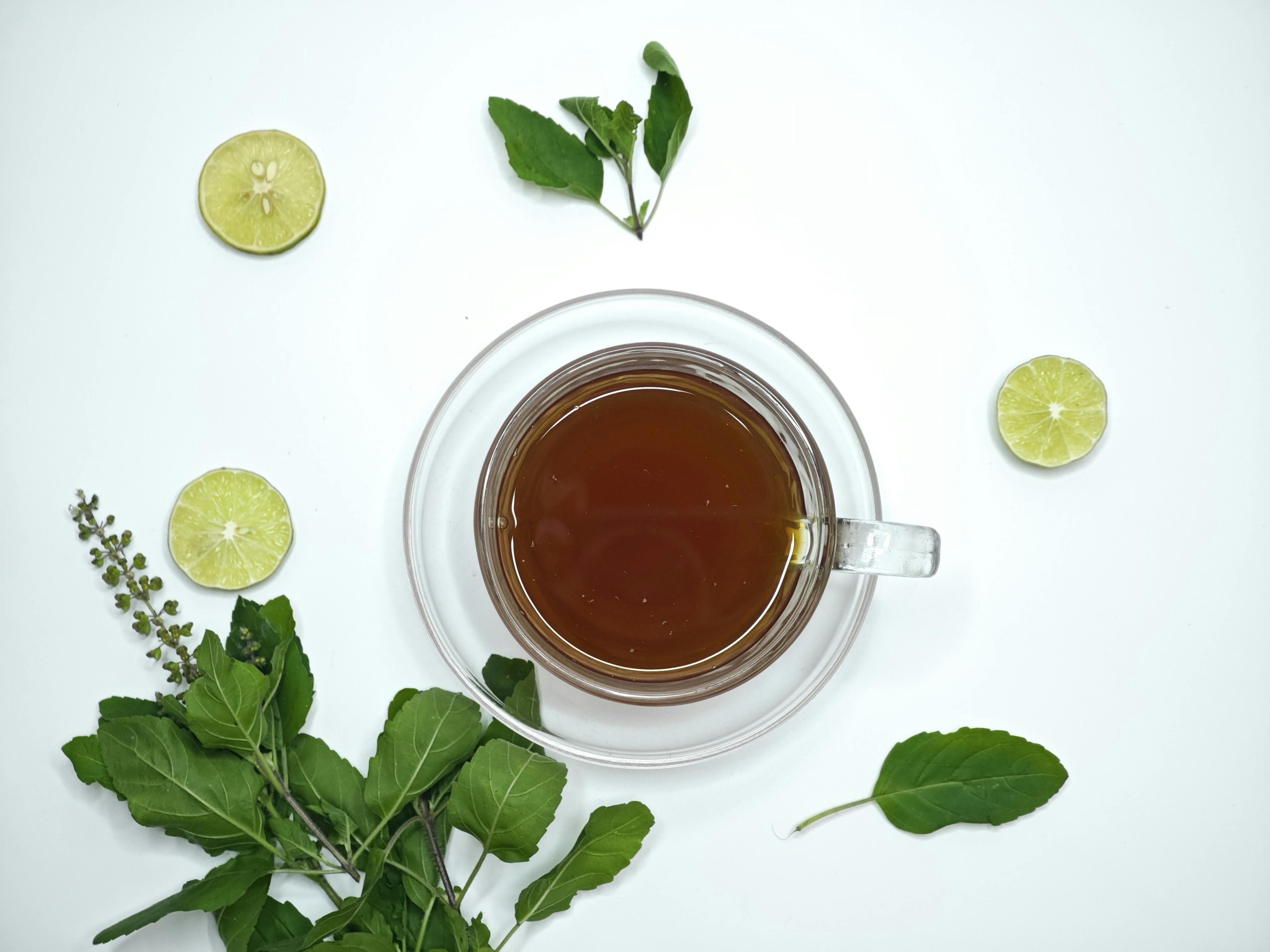
The tulsi plant has been renowned for centuries as a powerful healing plant. Modern herbal medicine has been continuously growing in interest in what traditional systems have long believed. The benefits of the tulsi leaf extend beyond treating day-to-day health issues to preventing chronic disease. From immunity and digestion to energy and mental alertness, the humble tulsi plant offers several benefits in modern preventive healthcare.
10 Health Benefits of Tulsi Leaves
Here are the key tulsi plant benefits you should know about:
1. Enhances the respiratory system
As an integral part of herbs prescribed for respiratory conditions such as sinusitis, bronchial asthma, and chronic cough, tulsi can be inhaled or consumed as a decoction. It may relieve mild symptoms but should not replace medical therapy for asthma or severe respiratory diseases.
2. Helps in stress relief
One of the major benefits of the tulsi leaf is that it may help the body cope with inevitable stress. When eaten regularly, the herb may modulate hormones, help lower cortisol levels, and reduce mental fatigue, exhaustion, and anxiety.
3. Contributes to chronic disease protection
Oxidative stress caused by free radical activity damages our cells. If left unchecked, it can cause chronic diseases like hypertension, heart conditions, diabetes, and metabolic diseases. The antioxidants in tulsi help reduce the effects of free radicals, thereby helping avert many chronic health conditions.
4. Boosts cardiac health
In addition to maintaining normal lipid levels, the tulsi plant benefits lead to good blood flow and may help prevent inflammation of blood vessels. All of these can help keep our hearts healthy.
5. Helps in controlling blood sugar
Tulsi may help with regulating blood sugar. Using it regularly may help with reducing blood sugar levels, combined with a healthy diet and regular exercise. It can be a complementary measure alongside medical diabetes care, not a substitute.
6. Ensures Kidney and Liver function
Tulsi may support kidney health in some cases. It may potentially flush toxins through the system and promote liver health.
7. Helps in digestion
Another major benefit of the tulsi leaf is that it relieves stomach bloating and flatulence, stimulates appetite, and reduces acidity. Good digestive health is a primary feature of overall wellness and well-being.
8. Brings about immunity
Due to its natural anti-inflammatory properties, tulsi may help us recover faster from infections. Its ability to stimulate our immune system makes tulsi an ideal health supplement. However, it should be taken alongside the required medications.
9. Prevents infection
Tulsi's disinfectant properties help keep skin, lungs, and gut free of infectious bugs, fungi, and viruses, when taken alongside medications.
10. Has a positive impact on skin and eyes
Since tulsi leaves support detoxification, they may improve skin and eye health. By understanding the existing information on tulsi leaves, one can use it to reduce acne, skin pigmentation, and dullness. It may also help with reducing redness in the eyes.
Thus, the medical value of tulsi leaves is evident in the many benefits it provides to those who utilise them in the right manner. It has a variety of uses, from respiratory tonics to the formulation of immunity-boosting products.
Why Preventive Health Should Also Include Financial Safety
Prevention involves activities and habits to lower your health risk before a health condition develops. Besides taking the well-researched benefits and uses of tulsi leaves into account, eating healthily, exercising regularly, and practising stress management techniques all contribute to improving preventive health.
Unfortunately, life can bring surprises, such as infections or lifestyle diseases that require quick, affordable intervention. Health insurance empowers individuals to take control of their health and financial security. SBI General offers a health insurance policy that helps take preventive steps while leaving financial worries behind.
Frequently Asked Questions
1: Can tulsi be used for weight loss?
Tulsi can help with weight loss by promoting better metabolism and controlling daily stress signals. However, it should be complemented with a well-balanced diet and an active lifestyle for the best results.
2: Can tulsi offer relief from serious skin-related problems?
Tulsi has antibacterial and antifungal properties that help reduce inflammation. However, for serious skin conditions, consult a dermatologist.
3: Why should pregnant women avoid tulsi?
Though suitable for immunity, tulsi consumption during pregnancy can have an unbalancing effect on hormones, so it is advisable to seek medical advice.
This blog is intended solely for educational and informational purposes. Content reflects data at time of publication and may not accurately reflect current premiums, terms, or regulations. Readers are encouraged to confirm the accuracy and relevance of the data before making any significant decisions. SBI General Insurance disclaims responsibility for any errors or consequences arising from the use of outdated information provided herein. For more details, please refer to the policy wordings and prospectus before concluding the sales. *Add-ons are subject to payment of additional premium.
Access and manage all your Insurance Needs in one place, right at your Fingertips.




4/5*
Access and manage all your Insurance Needs in one place, right at your Fingertips.



Vision
Our vision is to become the most trusted general insurer for a transforming India.
Mission
Our mission is to provide simple and innovative general insurance solutions, be responsive to our customers' needs and build a sustainable business for the future.
We're socially active!