


 Contact Us


 Other Insurance
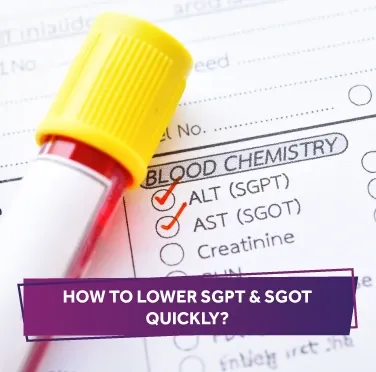
How to Lower SGPT & SGOT Quickly?
Date: Nov 8, 2024 - Last Modified May 27, 2026


SGPT (ALT) and SGOT (AST) are important liver enzymes that help doctors understand how well the liver is functioning. When the liver becomes stressed, inflamed, or damaged, these enzyme levels may rise in the bloodstream. While alcohol is commonly linked with liver problems, factors such as unhealthy eating habits, obesity, infections, certain medicines, and medical conditions can also affect liver health.
In many cases, SGPT and SGOT levels may improve gradually with healthier lifestyle habits. Eating balanced meals, staying active, avoiding alcohol, and managing existing health conditions can help support liver function over time. Since the liver plays an important role in digestion, metabolism, detoxification, and overall well-being, regular care and monitoring are essential for maintaining good health.
What Are SGOT and SGPT?
SGOT and SGPT are enzymes linked to liver health, often checked through a liver function test (LFT). SGPT (also called ALT) is found mainly in the liver, while SGOT (AST) is present in the liver as well as the heart and muscles. When liver cells are stressed or damaged, these enzymes leak into the bloodstream, causing their levels to rise.
In most healthy adults, SGPT usually falls between 7–56 U/L, while SGOT is around 10–40 U/L. What often surprises people is that these numbers can go off track without any clear symptoms. Many only find out during a routine health check, when they otherwise feel completely normal. Everyday factors like regular alcohol intake, fatty liver, excess weight, certain medications or even infections like hepatitis can quietly impact these levels over time. The good part is that with timely care, these levels can often return to normal within weeks.
What Do High SGPT and SGOT Levels Indicate?
High SGPT and SGOT levels usually signal liver stress or damage. Common causes include fatty liver disease, excessive alcohol intake, hepatitis infections and side effects of certain medicines. In some cases, muscle injury can also cause high SGOT levels. Mild elevations may not cause symptoms but still need attention and monitoring.
What is the Normal Range of SGOT and SGPT levels?
The normal ranges for serum glutamic-oxaloacetic transaminase (SGOT) and serum glutamic-pyruvic transaminase (SGPT) levels can differ slightly based on the testing procedures and laboratory conditions. Nonetheless, the following SGOT and SGPT normal ranges are widely recognised as follows:
Test | Normal Range (Units/Liter) |
SGOT | 10 to 40 |
SGPT | 7 to 56 |
Additional Details:
- SGOT levels are normally regarded as normal for women between 9 and 32 units/L and between 10 and 40 units/L for men.
- Increased SGOT or SGPT levels can be indicative of disease or damage to the liver, but other disorders like heart problems or muscle injuries can also impact them.
- Any appreciable departure from these limits may indicate the need for additional medical assessment. These enzyme levels are essential markers of liver health.
- Ranges can vary slightly depending on: The laboratory (each lab sets its own reference limits), Age and sex, Testing method.
Causes of High SGPT and SGOT Levels
Some common causes of elevated SGPT and SGOT levels are:
Liver Diseases:
Hepatitis, fatty liver disease (AFLD/NAFLD), and cirrhosis can significantly increase enzyme levels.
Alcohol Consumption:
Excessive drinking is a leading cause of liver damage and elevated enzyme levels.
Medications:
Statins, acetaminophen, and antibiotics can be harmful to the liver.
Gallbladder Inflammation (Cholecystitis):
This condition can also result in elevated liver enzymes due to its impact on bile flow and liver function.
Muscle Damage:
As these enzymes are present in muscle tissue, muscle injury may elevate levels.
Diabetes and Obesity:
Both conditions are linked to fatty liver disease and can cause high SGOT and SGPT levels.
Other Conditions:
Conditions such as heart attacks or congestive heart failure can indirectly affect liver function, causing elevated enzyme levels due to liver cell damage.
Also Read: A Beginner’s Guide on How to Boost Metabolism
Symptoms of Elevated SGPT & SGOT Levels
While elevated SGPT and SGOT levels may not always present clear symptoms initially, they can lead to various complications such as:
- Fatigue
- Weakness
- Nausea and vomiting
- Jaundice (yellowing of the skin and eyes)
- Swelling in the legs
How to Lower SGOT and SGPT Quickly?
Diet Modifications:
Diet plays a crucial role in liver health. To reduce liver inflammation and support detoxification, consider these options in your diet:
Leafy Greens:
Spinach, kale, and broccoli support liver detoxification.
Garlic:
Contains allicin, which activates liver enzymes.
Turmeric:
Curcumin in turmeric reduces liver inflammation.
Green Tea:
Rich in antioxidants, it supports liver health.
Avoid Alcohol & Processed Foods:
These stress the liver and hinder recovery.
Hydration:
Drink 8-10 glasses of water daily. Add lemon for a detox boost with vitamin C.
Exercise:
Moderate aerobic activity, such as walking or cycling for 30 minutes daily, can help lower liver enzyme levels. Strength training improves metabolism, but avoid intense workouts that strain muscles.
Sleep:
Ensure 7-9 hours of sleep per night to aid liver repair.
Natural Supplements:
Certain natural supplements can help improve liver health:
Milk Thistle:
Contains silymarin, which may regenerate liver cells.
Dandelion Root:
Acts as a diuretic, which may promote liver detoxification.
N-Acetylcysteine (NAC):
Boosts glutathione, an antioxidant that can protect the liver.
Also Read: 9 Tips to Stay Physically and Mentally Healthy
Tips to Control SGPT & SGOT Levels Long-Term
Monitor Your Diet:
Eat a liver-friendly diet that includes fruits, vegetables, whole grains, and lean proteins.
Maintain a Healthy Weight:
Obesity increases the risk of liver disease, so managing weight is crucial.
Limit Medication Use:
Avoid unnecessary medications or supplements that may place additional strain on the liver, especially without medical advice.
Manage Stress:
Chronic stress can affect liver function, so consider meditation or yoga.
Foods to Avoid
If the liver enzymes are high, it helps to cut down on alcohol, fried foods, sugary snacks and processed items. One may want to limit red meat and refined carbohydrates as well. These foods can increase fat build-up in the liver and slow down recovery.
Comparison: SGPT vs SGOT
Full form | Serum Glutamate Pyruvate Transaminase | Serum Glutamate Oxaloacetate Transaminase |
Main location | Mostly in the liver | Liver, heart, muscles |
Normal range | 7–56 U/L | 10–40 U/L |
Specificity | More specific to liver health | Less specific (can rise due to muscle injury) |
Common causes of increase | Fatty liver, hepatitis, alcohol | Liver issues, muscle damage, heart conditions |
Clinical use | Better indicator of liver damage | Used alongside SGPT for diagnosis |
When Should You Consult a Doctor?
- You should consult a doctor if your SGPT or SGOT levels are consistently higher than the normal range, especially if they are more than two to three times elevated.
- If you notice signs like constant tiredness, a yellow tint in your eyes or skin, stomach discomfort or sudden weight loss, it is best not to brush them aside.
- That said, many people don’t experience any symptoms at all and only discover something is wrong during a routine blood test. In such cases, checking in with a doctor early can help avoid bigger issues later.
- Simple changes in daily habits, along with regular monitoring, can go a long way in helping your liver recover and stay healthy over time.
Conclusion
To reduce SGPT and SGOT levels, lifestyle changes such as diet, hydration, exercise, sleep, and natural supplements can lead to noticeable improvements. However, for long-term benefits, it’s essential to maintain a liver-healthy lifestyle.
If elevated levels persist, it's advisable to consult a healthcare provider for further evaluation.
Additionally, individuals can explore health insurance plans from SBI General Insurance for financial support against unexpected medical and hospitalisation expenses. A well-designed health insurance plan provides peace of mind and allows one to recover without financial stress.
Note: This article is for informational purposes only and is not medical advice. Consult a qualified healthcare professional for diagnosis or treatment decisions.
FAQs
Q1. What is SGOT and SGPT?
SGPT (ALT) and SGOT (AST) are enzymes indicating liver health. High levels may signal liver stress or damage.
Q2. How long does it take to reduce SGPT and SGOT?
In mild cases, improvements can be seen in a week with a strict liver-friendly diet, regular exercise, and avoiding alcohol. Chronic cases may take longer.
Q3. How to decrease SGOT and SGPT naturally?
Focus on a plant-based diet rich in antioxidants, drink plenty of water, exercise, and use natural supplements like milk thistle or dandelion root.
Q4. What to eat to lower SGPT levels?
Eat leafy greens, garlic, turmeric, beets, and walnuts, and drink green tea. Avoid alcohol, processed foods, and excess salt to reduce liver stress.
Q5. What if SGPT is 400?
An SGPT level of 400 is significantly high and may indicate acute liver inflammation, often due to hepatitis, alcohol-related damage or medication effects. Immediate medical evaluation is necessary.
Q6. Which fruit reduces SGPT and SGOT?
Fruits like papaya, berries, apples and citrus fruits are known to support liver health due to their antioxidant content. They can help over time when combined with a balanced diet.
Q7. What is the danger level of SGPT and SGOT?
SGOT levels above 300–400 U/L are generally considered high and may point to serious liver or muscle injury. The cause needs to be identified quickly.
Q8. Can garlic reduce SGPT?
Garlic may support liver health due to its natural detoxifying properties. While it can help as part of a healthy diet, it is not a standalone treatment.
Q9. What happens if SGOT is 300?
An SGOT level of 300 suggests notable liver stress or possible muscle injury. It requires medical assessment, further tests and timely treatment.
This blog is intended solely for educational and informational purposes. Content reflects data at time of publication and may not accurately reflect current premiums, terms, or regulations. Readers are encouraged to confirm the accuracy and relevance of the data before making any significant decisions. SBI General Insurance disclaims responsibility for any errors or consequences arising from the use of outdated information provided herein. For more details, please refer to the policy wordings and prospectus before concluding the sales. *Add-ons are subject to payment of additional premium.
Access and manage all your Insurance Needs in one place, right at your Fingertips.




4/5*
Access and manage all your Insurance Needs in one place, right at your Fingertips.



Vision
Our vision is to become the most trusted general insurer for a transforming India.
Mission
Our mission is to provide simple and innovative general insurance solutions, be responsive to our customers' needs and build a sustainable business for the future.
We're socially active!