


 Contact Us


 Other Insurance
Things to Know about Diabetes
Date: Aug 19, 2021 - Last Modified Aug 19, 2021


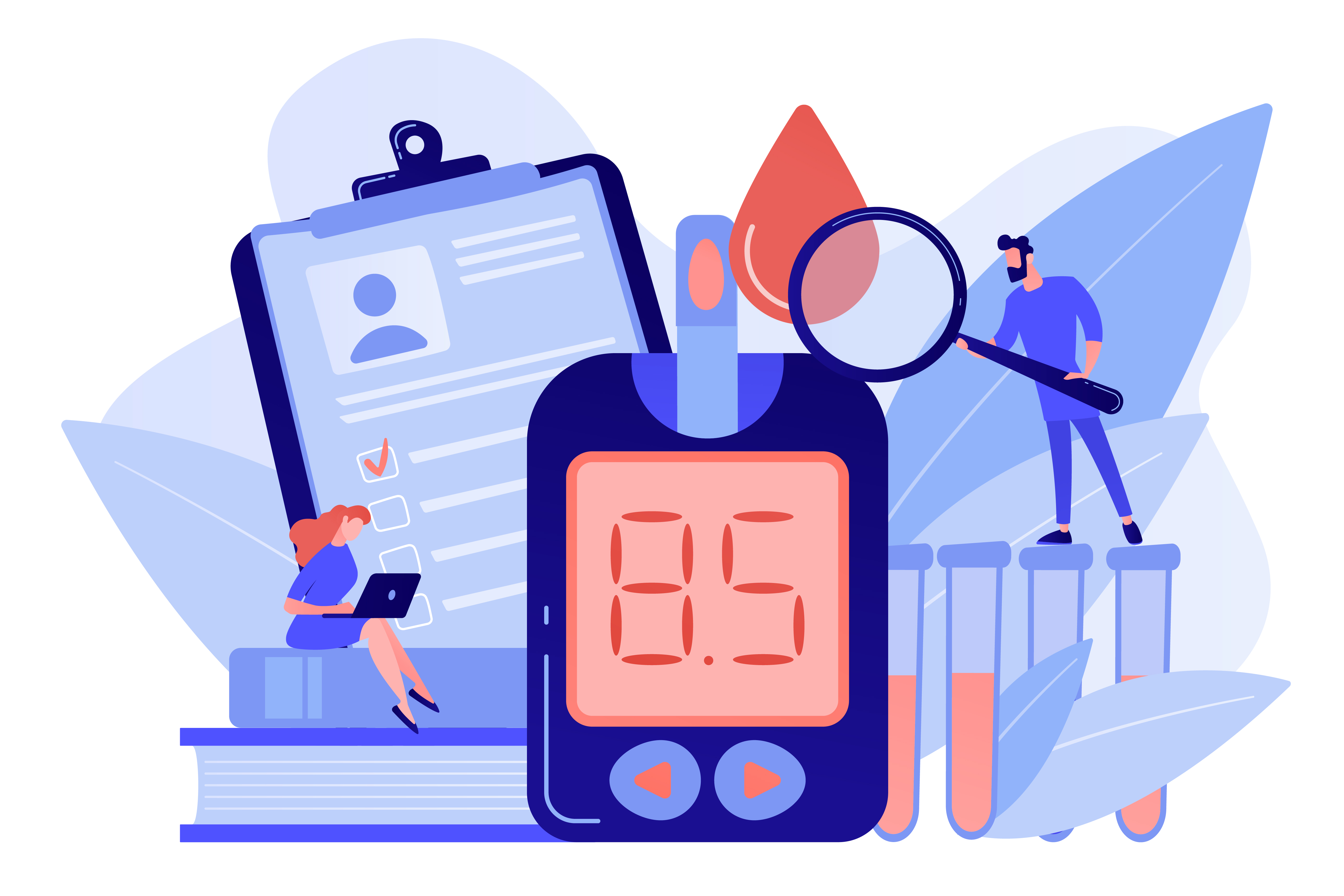
Diabetes is one of the most common health conditions around the world. When you hear the word ‘diabetes’, the first thing that comes to mind is high blood sugar levels. But many people do not realise that uncontrolled blood sugar levels have serious health implications that can affect your nerves, kidneys and other organs. Knowing about diabetes is the best way to fight the disease and yet there are some facts about diabetes that many people do not know, including those suffering from this health condition.
Over here we discuss 5 Things to Know about Diabetes:
-
There are two types – type 1 and 2: Most people understand diabetes on an elementary level. It is a disease that causes blood sugar levels to go up. When you eat or drink, the body breaks down the sugars. Insulin is the hormone that helps the body to use sugars for energy. But this process is interrupted; the body has too much sugar. As such, the most basic things to know about diabetes are its two main types – type–1 and type–2. A person with type 1 diabetes is unable to produce insulin. It is also referred to as insulin-dependent diabetes. Though this condition can develop at any stage, it is common among children, teens and young adults. Type 2 diabetes is more common among adults and it happens when the body doesn’t respond to insulin. Both conditions are chronic.
-
Type 2 goes unnoticed for years: Some of the common symptoms of type–1 and type–2 diabetes are extreme hunger, increased thirst, weight loss, frequent urination, tiredness. But, what you need to know about diabetes is that although the symptoms of both types appear to be more or less similar, the symptoms of type 2 diabetes take years to show. Symptoms of type 1 diabetes develop fast, sometimes over a few weeks.
-
You can manage type–2 diabetes in different ways: While those with type–1 diabetes require lifelong insulin therapy, type–2 diabetes can be managed and controlled with lifestyle changes. Eating a healthy diet is important to keep your sugar levels steady. Make sure you eat a fibre–rich diet and the carbohydrates you eat are healthy and not processed. Eating at regular intervals can prevent blood glucose spikes. Maintaining a healthy weight and regular physical activity can lower blood sugar levels and boost insulin sensitivity.
-
Risk factors for type–1 and type–2 diabetes: The list of things to know about diabetes includes the risk factors of type–1 and type–2 diabetes. You are at the risk of developing type–1 diabetes if you have a family history of the condition and presence of some genes. It cannot be prevented. On the other hand, type 2 diabetes is prevalent among those are pre–diabetic, overweight, physically inactive and have a lot of belly fat. Women who have had gestational diabetes during pregnancy or have PCOS are at higher risk of developing diabetes.
-
Managing blood pressure and cholesterol: To help prevent long–term problems, you should keep your blood pressure and cholesterol under control. By doing this you can avoid long–term problems, especially to your heart, blood vessels and kidneys. A crucial fact about diabetes is that it can affect your eyes, feet (blood supply and nerves), heart, blood pressure, and kidneys. Thus, it is important that you check your sugar levels regularly and keep them within the range.
With erratic routine, lifestyle diseases are on the rise. Physical inactivity, high consumption of processed food and inadequate sleep can take a toll over your health. In times of ever–soaring medical expenses, it has become imperative to protect yourself and your family by investing in good health insurance plan.
Disclaimer: The above information is indicative in nature. For more details on the risk factor, terms and conditions, please refer to the Sales Brochure and Policy Wordings carefully before concluding a sale.
This blog is intended solely for educational and informational purposes. Content reflects data at time of publication and may not accurately reflect current premiums, terms, or regulations. Readers are encouraged to confirm the accuracy and relevance of the data before making any significant decisions. SBI General Insurance disclaims responsibility for any errors or consequences arising from the use of outdated information provided herein. For more details, please refer to the policy wordings and prospectus before concluding the sales. *Add-ons are subject to payment of additional premium.
Access and manage all your Insurance Needs in one place, right at your Fingertips.



4/5*
Access and manage all your Insurance Needs in one place, right at your Fingertips.


Vision
Our vision is to become the most trusted general insurer for a transforming India.
Mission
Our mission is to provide simple and innovative general insurance solutions, be responsive to our customers' needs and build a sustainable business for the future.
We're socially active!