


 Contact Us


 Other Insurance
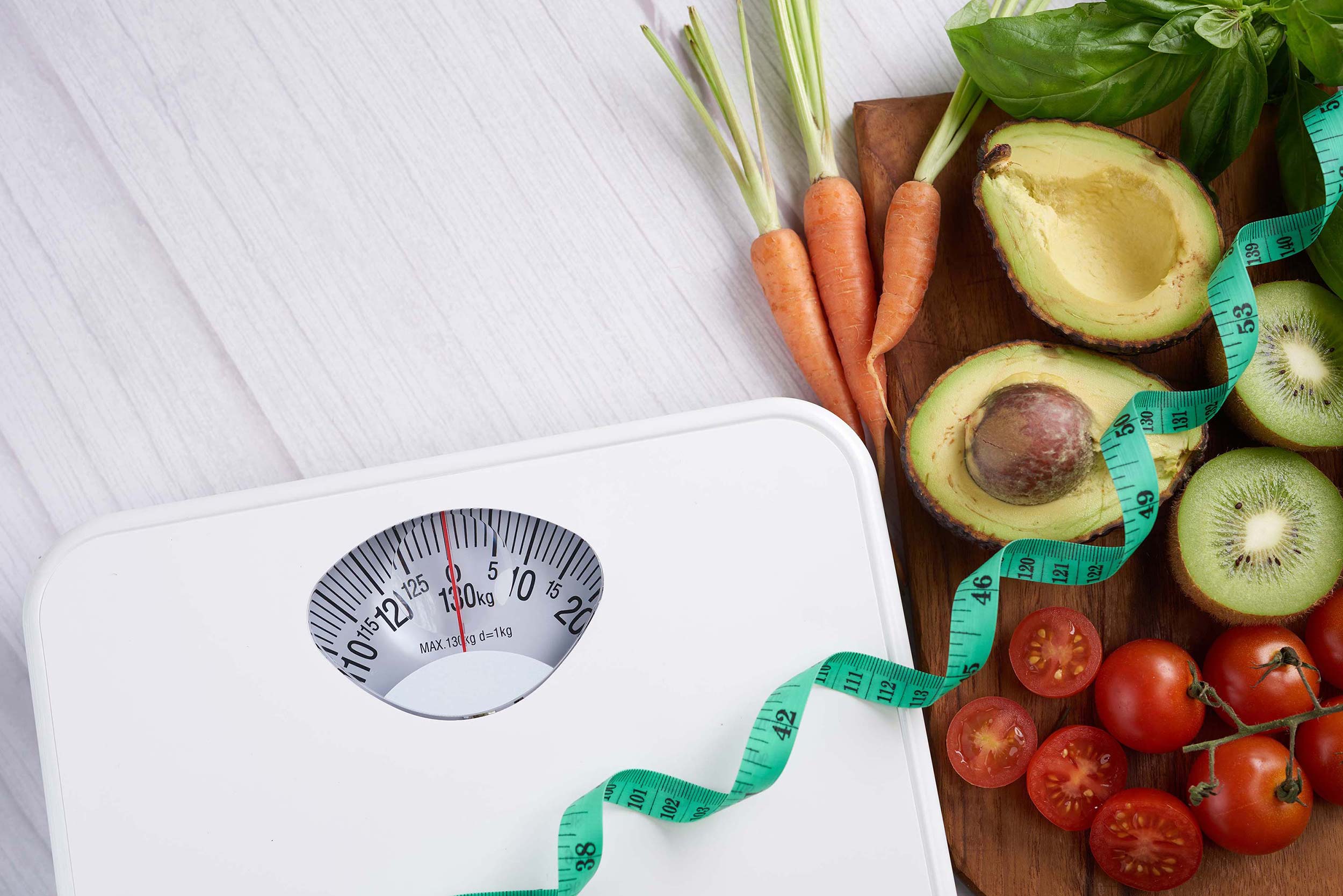
Six Types of Vegetables That Assist with Weight Loss
Date: Jun 28, 2022 - Last Modified Jun 28, 2022


Ask any doctor or nutritionist what you need to do to maintain a healthy life, and they will tell you to exercise and eat right. While you may not be able to exercise and work out every day, you must take the necessary measures to eat right. Maintaining a healthy, vegetable–rich diet can assist you in your weight loss journey. Listed below are some vegetables for weight loss that nutritionists swear by.
1. Leafy GreensLeafy green vegetables like spinach, kale, amaranth, moringa, and lettuce are rich in fibre and can help burn fat around the abdomen. They are also high in metabolism–boosting antioxidants that mobilize the fat. You can consume leafy vegetables in several ways, including cooking, juicing, adding them to salads etc., as part of your vegetable diet for weight loss.
2. Cruciferous VegetablesThe list of vegetables good for weight loss includes cruciferous vegetables like cauliflower, cabbage, broccoli, and Brussel sprouts. These vegetables are rich in iron, antioxidants and fibre. They are also high in water content. As such, cruciferous vegetables keep you full for extended periods and assist with weight management.
3. CucumbersCucumbers, like cruciferous vegetables, are high in water content and assist with weight loss. They contain propanoic acids that prevent your body sugars from being converted into fat. Adding cucumbers to your salad, eating them raw (with or without peeling) or seasoning them with spices like cumin powder can help you lose weight. However, you should add light exercise to your regimen to reach your target weight.
4. CarrotsCarrots are fibre–rich vegetables that take a long time to digest. They keep you satiated for longer durations. Consuming a tall glass of carrot juice paired with grated ginger can assist with fat–burning and subsequent weight reduction. You can also add carrots to your salads and sandwiches or stir–fry them with other vegetables.
5. MushroomsIf you want to add a vegetable that provides nutritional value and weight loss benefits, you should include mushrooms in your diet. This low–calorie vegetable tastes delicious, increases your metabolism, and is easy to cook. You can add different types of mushrooms to your vegetable diet plan for weight loss.
6. PumpkinPumpkins are low in calories but packed with nutrients. They are the ideal substitute for starchy, carbohydrate–rich vegetables like potatoes and help reduce the calories consumed. You can cook pumpkin as a separate vegetable or add it to legumes as part of your weight loss plan.
Eat right but stay insuredBeing overweight can lead to several health issues like obesity, diabetes, and heart conditions. When diagnosed with such conditions, the treatment costs can put a massive dent into your saving. Thus, even though you may be consuming vegetables for weight loss and maintaining a healthy diet and body mass index (BMI), you should invest in health insurance plans.
Your health insurance policy allows you to seek medical treatment without draining your life savings. You must buy a health insurance plan while you are younger to enjoy benefits like higher sums insured at lower premiums, no claims bonus, and lower deductibles, among other things.
Disclaimer: The above information is indicative in nature. For more details on the risk factor, terms and conditions, please refer to the Sales Brochure and Policy Wordings carefully before concluding a sale.This blog is intended solely for educational and informational purposes. Content reflects data at time of publication and may not accurately reflect current premiums, terms, or regulations. Readers are encouraged to confirm the accuracy and relevance of the data before making any significant decisions. SBI General Insurance disclaims responsibility for any errors or consequences arising from the use of outdated information provided herein. For more details, please refer to the policy wordings and prospectus before concluding the sales. *Add-ons are subject to payment of additional premium.
Access and manage all your Insurance Needs in one place, right at your Fingertips.



4/5*
Access and manage all your Insurance Needs in one place, right at your Fingertips.


Vision
Our vision is to become the most trusted general insurer for a transforming India.
Mission
Our mission is to provide simple and innovative general insurance solutions, be responsive to our customers' needs and build a sustainable business for the future.
We're socially active!