


 Contact Us


 Other Insurance
What Is Free Floating Anxiety?
Date: Jan 17, 2025 - Last Modified Mar 24, 2026


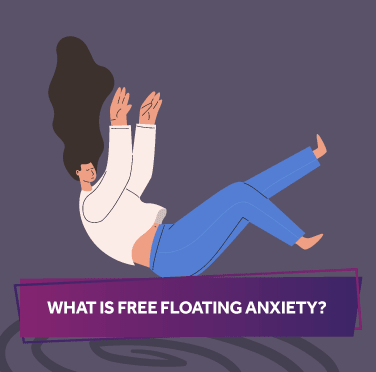
Having a constant feeling of unease without an obvious reason is known as free-floating anxiety. Unlike situational anxiety, which happens in response to specific events or stressors, free-floating anxiety feels constant and can cause people to experience increased worry, restlessness, and physical pain for no apparent reason.
This article explores the symptoms, potential causes, and effective coping strategies for managing free-floating anxiety, as well as the importance of health insurance for mental health care.
What are the Symptoms of Free-Floating Anxiety?
The symptoms of free-floating anxiety can vary widely, often presenting as a combination of psychological and physical challenges. Floating anxiety symptoms impact daily life and can interfere with work, relationships, and your overall well-being.
1. Psychological Symptoms
- Excessive Worry: An overwhelming sense of worry that persists without a clear reason.
- Irritability: Increased sensitivity and irritability, often triggered by minor issues.
- Difficulty Concentrating: Trouble focusing on tasks due to a “foggy” or distracted mind.
- Restlessness: Feeling tense, fidgety, or unable to sit still.
- Feelings of Dread: A sense of impending doom or fear, without an identifiable source.
- Hypervigilance: Being overly aware of surroundings, which can lead to feeling easily startled.
2. Physical Symptoms
- Muscle Tension: Tightness or stiffness in muscles, leading to physical discomfort.
- Fatigue: Constant tiredness, even with adequate rest.
- Sweating: Perspiration, especially in stressful situations.
- Trembling or Shaking: Involuntary physical reactions to anxiety.
- Gastrointestinal Issues: Digestive problems, such as nausea or stomach aches.
- Dizziness or Lightheadedness: Feelings of faintness or unsteadiness.
- Rapid Heartbeat: Noticeably faster heart rate, often experienced during anxiety episodes.
These symptoms can be mild or severe, with some people experiencing only a few symptoms while others feel the full spectrum. In any case, understanding these symptoms helps in identifying free-floating anxiety and seeking support.
Also Read: How to Check Heart Health?
What Causes Free Floating Anxiety?
Free-floating anxiety is associated with generalized anxiety disorder (GAD) and may stem from a combination of genetic, environmental, and psychological factors.
Here’s a look at some common causes:
1. Genetics
Anxiety can have a genetic component. Individuals who have a family history of anxiety disorders are more prone to experiencing it themselves. According to research, certain genetic pathways determine how people respond to stress.
2. Environment
Elevated anxiety levels can result from living in a stressful or unpredictable environment, especially one where there are constant dangers like violence or economic difficulties. This constant state of heightened awareness can make people feel uneasy even when there are no longer any obvious dangers.
3. Past Trauma
Trauma, especially in childhood, can have long-lasting effects on mental health. Experiences such as abuse, loss, or neglect often create deep-rooted anxiety that emerges as free-floating anxiety in adulthood.
4. Stress
Constant exposure to stress raises cortisol levels, which can lead to heightened anxiety and increase the likelihood of free-floating anxiety. Daily life stressors, when unmanaged, can trigger this anxiety.
5. Brain development
Some people are more prone to anxiety due to certain structures of the brain. Free-floating anxiety may be more likely to happen in those who are highly sensitive to stress or who tend to think back on unpleasant experiences.
Also Read: Helpful Techniques to Keep Stress Under Check
Tips for Dealing with Free Floating Anxiety
1. Therapy
- Negative thought patterns can be recognized and reframed with the aid of cognitive-behavioral therapy (CBT).
- Another option is Mindfulness-Based Cognitive Therapy (MBCT). It reduces the emotional burden of anxiety by combining mindfulness and cognitive skills.
- Consulting a therapist offers a safe setting for identifying underlying issues and developing coping mechanisms.
- Depending on individual needs and preferences, either group or individual sessions may be beneficial.
2. Progressive Muscle Relaxation (PMR)
- Progressive Muscle Relaxation is a structured technique that focuses on methodically building up tension and then relaxing every muscle in the body.
- It reduces Physical Tension and promotes a soothing effect by assisting in the release of tension in the body caused by anxiety.
- The grounding technique helps manage spiralling anxious thoughts by refocusing attention on the body.
- When used in conjunction with deep breathing exercises, it improves the relaxation response and is a rapid and efficient tool.
3. Reach Out for Positive Support
- Social Connection: Sharing worries with trusted friends or family reduces feelings of isolation.
- Encouragement and Empathy: Positive support offers comfort and an outside perspective that eases anxious feelings.
- Support Groups: Connecting with others facing similar challenges creates a sense of belonging and shares coping strategies.
- Lighthearted Activities: Spending time with others in uplifting activities can reduce anxiety symptoms.
4. Accept the Emotion
- Practice Non-Judgmental Observation: Observe anxious thoughts without labelling them as "bad" or trying to suppress them.
- Reduce Resistance: Acceptance can diminish anxiety’s intensity by breaking the cycle of frustration and distress.
- Mindfulness and Self-Compassion: Mindfulness focuses on the present moment, and self-compassion promotes understanding toward oneself, helping reduce anxiety’s hold.
- Recognize Transience: Accepting that anxiety is temporary can make it feel less overwhelming.
Also Read: Is our lifestyle choice the root cause of chronic diseases?
When to Seek Support?
If free-floating anxiety disrupts daily life, affects relationships, or feels unmanageable, seeking professional help is advisable. Mental health professionals can diagnose and recommend tailored treatment plans, including therapy, medication, and coping strategies. Many people find that professional support provides a structured path to understanding and overcoming their anxiety.
Accessing mental health care, whether through therapy, medication, or wellness programs, is essential for managing anxiety effectively. Unfortunately, mental health services can be costly, making health insurance for mental health an important resource for many.
When selecting a health insurance provider, it’s wise to look for coverage that includes mental health services, as this ensures access to a range of therapies, preventive care, and support networks that can be instrumental in managing free-floating anxiety.
Conclusion
Free-floating anxiety is a challenging condition, but with a clear understanding of its symptoms and causes, effective strategies can be applied to manage it. Therapy, progressive muscle relaxation, and building a strong support network can significantly manage the symptoms, helping individuals live with less worry and tension. More importantly, health insurance coverage for mental health is essential in ensuring access to the professional support needed to manage this anxiety.
SBI General Insurance offers policies that can reduce the financial burden of mental health treatments, making it easier to prioritize mental well-being and access necessary care. Taking proactive steps toward managing anxiety can lead to a healthier, more balanced life.
Disclaimer: The above information is indicative in nature. For more details on the risk factor, terms and conditions, please refer to the Sales Brochure and Policy Wordings carefully before concluding a sale.
This blog is intended solely for educational and informational purposes. Content reflects data at time of publication and may not accurately reflect current premiums, terms, or regulations. Readers are encouraged to confirm the accuracy and relevance of the data before making any significant decisions. SBI General Insurance disclaims responsibility for any errors or consequences arising from the use of outdated information provided herein. For more details, please refer to the policy wordings and prospectus before concluding the sales. *Add-ons are subject to payment of additional premium.
Access and manage all your Insurance Needs in one place, right at your Fingertips.



4/5*
Access and manage all your Insurance Needs in one place, right at your Fingertips.


Vision
Our vision is to become the most trusted general insurer for a transforming India.
Mission
Our mission is to provide simple and innovative general insurance solutions, be responsive to our customers' needs and build a sustainable business for the future.
We're socially active!