


 Contact Us


 Other Insurance
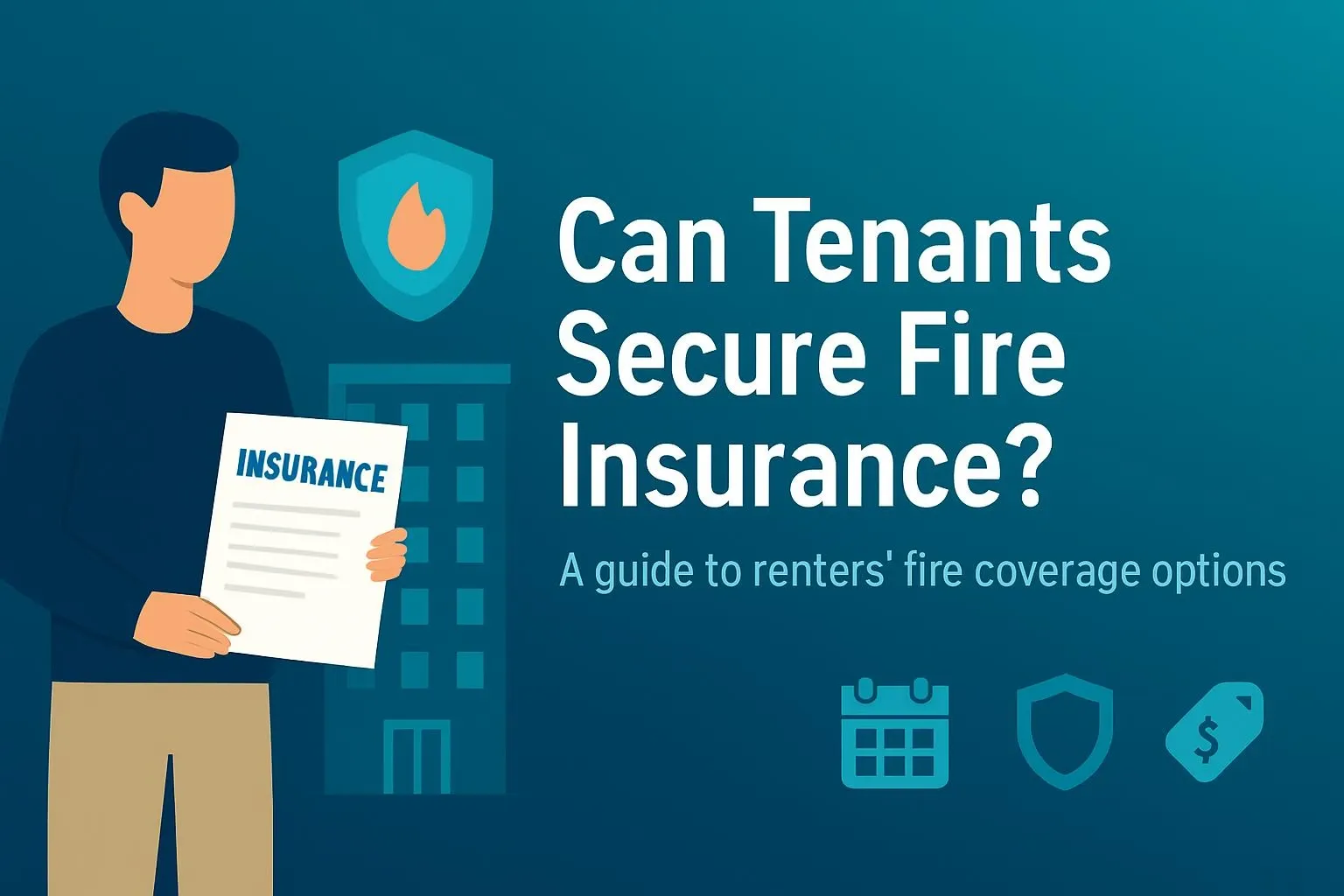
Can Tenants Secure Fire Insurance?
Date: Jan 16, 2026 - Last Modified Jan 30, 2026


Moving into a leased flat in an Indian city is usually a busy time involving brokers, security deposits, and shifting heavy boxes. Amidst this rush, many people forget that while they do not own the walls of the flat, they own everything inside them. A single mishap like a short circuit can destroy years of savings in an instant. This makes it very important for a resident to sign a home insurance policy to protect their furniture, clothes, and gadgets from accidents.
What is Home Fire Insurance?
Fire insurance is a way to stay safe from the huge money loss that happens after a fire breakout. For a person who owns a building, this coverage helps pay for the repairs to the bricks, roof, and floor. But for someone living there on rent, the focus is on the items kept inside the rooms. This plan ensures that if a fire happens, the person gets the money needed to buy back their damaged items.
The protection offered by a home insurance against fire is quite wide. It is not just for big disasters that make the news. It also works for smaller incidents like a fire in the kitchen caused by a gas stove or a spark in an old air conditioner. Often, smoke causes more damage than the actual flames, ruining the paint on walls and the fabric of sofas. A good policy covers this smoke damage too. Some plans even pay for the cost of cleaning up the mess and removing burnt items from the site after the fire is put out.
Many companies in India also offer extra covers that can be added to the basic plan. These are very useful for people who have expensive gold jewellery, high-end laptops, or designer watches. By getting a home insurance policy that fits their specific needs, a tenant makes sure they are not left with nothing after a disaster. It is a smart way to stay prepared for the unexpected.
Can a Tenant Purchase Fire Insurance?
There is often a lot of confusion about who can buy which insurance plan. Technically, a tenant is not allowed to buy the specific "Fire and Special Perils" policy meant for the building structure. This is because that policy is for the landlord, who owns the physical property. The landlord's plan protects the building against things like lightning and explosions.
However, the person living in the flat can still get a home insurance policy meant for the contents. This allows them to stay safe and keep their belongings protected against fire-related losses without needing to own the building itself.
Renter's Insurance: A Smart Choice for Tenants
For people living in rented homes, Renter's insurance is the most useful tool to have. It fills the gap left by the landlord’s own insurance.
- Wide Protection: This is not just for fires. It often covers loss from theft, burglary, and even water leaking from a broken pipe.
- Safety for Items: From the fridge to the bed, Renter's insurance makes sure the tenant does not have to pay from their own pocket to replace items after a fire.
- Liability Cover: This is a very important part of the plan. If a fire starts because a tenant forgot to turn off an iron and it spreads to the next flat, they might have to pay for the neighbour's losses. A home insurance policy helps cover these legal costs.
- Money for a New Place: If a fire makes the flat unfit to live in, the insurance can help pay for a hotel or a temporary stay somewhere else.
Why is Checking the Policy Regularly Necessary?
Buying a policy once is not the end of the task. A person should look at their home insurance policy every year. As time goes by, people buy new things like a bigger TV or a better washing machine. If the total value of the items in the house goes up, the Renter's insurance must be updated to match that value. If the cover is too low, the payout will not be enough to replace everything.
Reading the fine print is also helpful to see what is not covered. For example, some policies might not pay if the flat was locked and empty for more than a month. Checking the papers regularly also helps a person find new discounts. Some insurers give lower prices if the tenant has installed a fire extinguisher or a good security lock. Keeping the Renter's insurance updated ensures that the protection stays strong as life changes.
Simple Tips to Stay Safe from Fires
While a home insurance policy is there for help after a fire, it is always better to prevent one from starting. Tenants should follow these basic rules:
1. Smoke Detectors: Install simple battery-operated alarms in the house. Testing them once a month is a good habit.
2. Electric Plugs: Indian weather can be harsh on wires. Do not plug too many heavy things like heaters and irons into one socket.
3. Kitchen Care: Never leave the gas on when leaving the room. Keep a small fire extinguisher near the kitchen door.
4. Clear Pathways: Keep the main door and balcony clear of junk so that it is easy to leave the house quickly in an emergency.
Conclusion
A tenant cannot buy the fire plan meant for building owners, but they can get very good protection through a home insurance policy. This plan covers their personal items and helps with legal issues if an accident affects others. Having a home insurance against fire means that even if a bad day happens, the financial loss is handled by the company.
Knowing the difference between the landlord’s duties and a tenant’s needs is the first step. While the owner looks after the building, the tenant must look after their own life and belongings. By being careful and choosing the right Renter's insurance, anyone can live in a rented home with a calm mind.
While keeping the home safe is a great step, looking after one's health is even more essential. Medical costs in India are rising fast, and a sudden hospital stay can drain a family's savings. SBI General Insurance provides various health plans that act as a safety net.
Access and manage all your Insurance Needs in one place, right at your Fingertips.



4/5*
Access and manage all your Insurance Needs in one place, right at your Fingertips.


Vision
Our vision is to become the most trusted general insurer for a transforming India.
Mission
Our mission is to provide simple and innovative general insurance solutions, be responsive to our customers' needs and build a sustainable business for the future.
We're socially active!