


 Contact Us


 Other Insurance
Bike Fire Disasters: Causes, Prevention, and Insurance Guide
Date: Oct 12, 2025 - Last Modified Dec 11, 2025


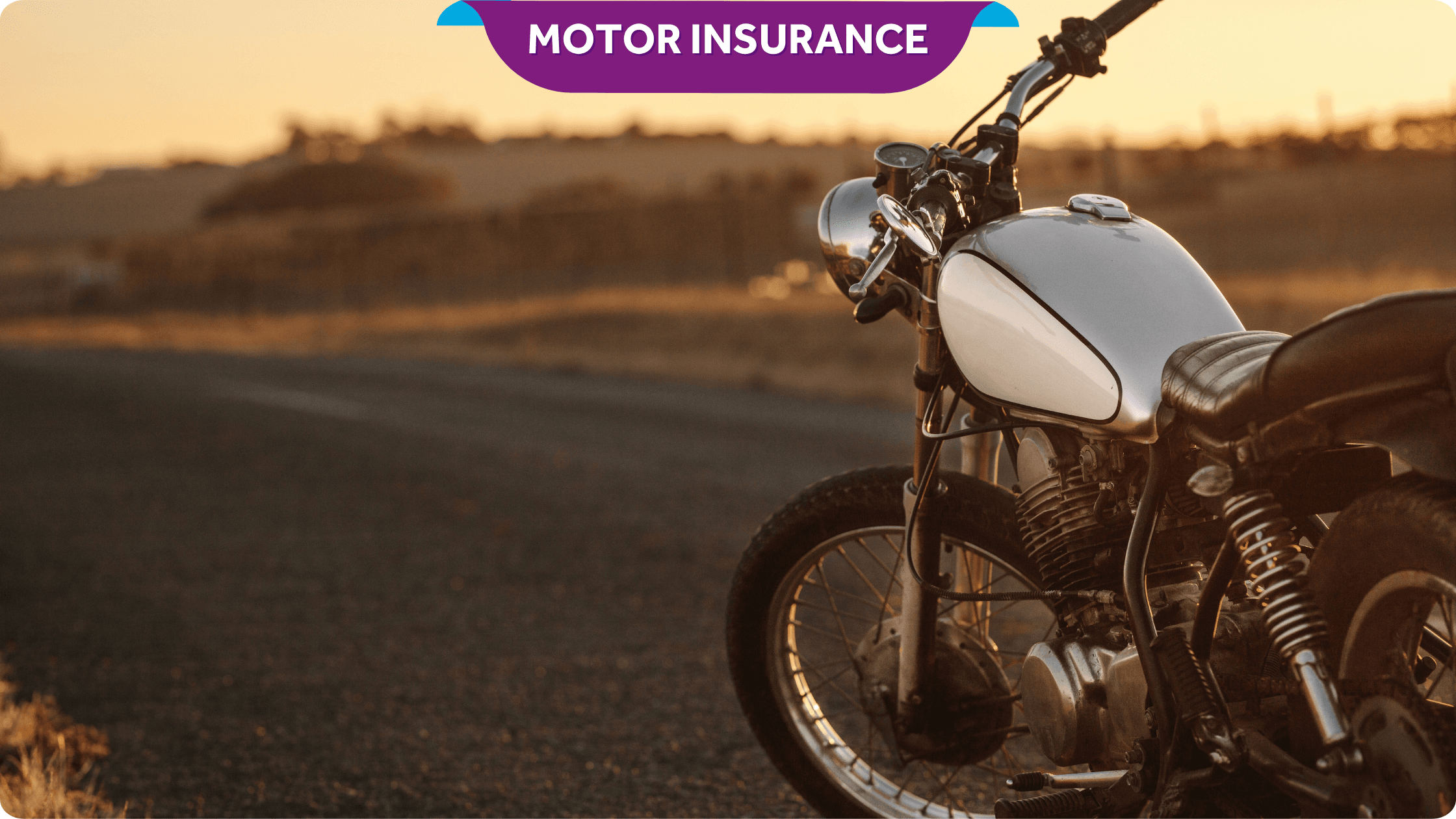
Have you ever considered what could go wrong while riding your bike? A bike fire, though rare, is a real threat caused by mechanical or electrical faults. It poses a peril to the rider and can lead to major damage to the bike. Knowing what to watch for can be a game changer, whether due to overheating batteries in electric bikes, fire or an energy leak in conventional models. This article discusses the causes of an electric bike fire, a motorcycle fire, and how the right two-wheeler insurance can be useful.
Reasons for Bikes Catching Fire
Let us take a closer look at the variables that may cause a bike fire outbreak:
1. Flammability of Lithium-Ion Batteries
Lithium-ion batteries are popular in electric bikes for their vitality, thickness and longer life expectancies compared to conventional batteries. In any case, they contain an exceedingly combustible electrolyte liquid. If this liquid overheats, it can flame up and lead to battery blasts and fires. This problem becomes worse if the battery is damaged or made with poor-quality materials.
2. Battery Overheating
Lithium-ion batteries are inclined to overheat due to their chemical composition. This can be activated by outside temperatures, excessive charging, or utilisation at high power. Once overheated, the batteries can experience thermal runaway—a chain reaction leading to fires.
3. Utilisation of Inferior or Defective Components
Utilising substandard or incongruent components can increase the risk of fires. This is regularly seen with expired parts that may not meet the security benchmarks required for high-performance batteries. Inadequate components can cause electrical shorts and lead to sparks that may flame the battery’s electrolyte.
4. Poor Maintenance and Handling
Not taking proper care of bikes or using them the wrong way can increase the risk of fire. Bikes must be routinely inspected for any wear and tear, particularly in the battery and electrical systems. It includes keeping the bike in a cool and dry environment to maintain a distance from exposure to harsh conditions.
5. Environmental Factors and Accidents
Outside components, such as high temperatures, can worsen the hazard of battery overheating. Moreover, mishaps can lead to physical harm to the battery and possibly cause fires. Guaranteeing the bike is utilised inside prescribed conditions and accepting quick consideration after mishaps can offer assistance to moderate these dangers.
Also Read: How To Maintain Your Two-Wheeler In The Rainy Season?
How to Prevent Fires in Bikes?
Preventing a bike fire includes a few safety measures to guarantee the security of your vehicle. Here are a few rules to follow when looking to extinguish a petrol or electric bike fire:
1. Purchase from a Reputable Manufacturer
When selecting a bike, pick brands that are known for their commitment to quality and security. These producers utilise components that meet strict guidelines and are less inclined to break down or lead to fires.
2. Use Original Parts
Continuously utilise the unique components and gear provided by the producer. Utilising expired parts that were not particularly designed for your bike can increase the risk of electrical failures and fires.
Use Approved Charging Points
Utilise charging stations that are government-approved and accommodate security guidelines. These stations are designed to charge e-bikes safely without damaging the battery.
3. Follow the User Manual
Follow the manufacturer's rules entirely. The client manual incorporates particular information on the secure operation and support of your bike—they are important to avoid mishaps and fires.
4. Monitor the Charging Process
Continuously keep an eye on your bike whilst it is charging. Look out for any signs of harm, unusual scents, clamour, or smoke. Disengage the bike quickly and consult a mechanic if you take note of anything unusual.
5. Avoid Overcharging
Never take off the battery charging unattended overnight or longer than suggested. Overcharging raises the chance of a fire by overheating the battery.
6. Regular Inspections and Maintenance
Counsel a professional to look at your motorcycle routinely and be sure that all parts are in working condition. Standard support will offer assistance to distinguish potential issues before they end up turning into big issues.
Related Blog: Bike Maintenance Tips To Ensure Your Bike's Long Life
7. Avoid Charging a Wet Battery
Water can cause genuine harm to electrical components. If your bike battery gets damp, beyond any doubt, let it dry totally before attempting to charge it.
8. Park in the Shade
Maintain a strategic distance from stopping and charging your bike in harsh sunlight, particularly on hot days. Too warm weather can quicken battery corrosion and increase fire risk.
9. Dispose of Old Batteries Properly
Old or harmed batteries can be a major fire risk. Send them to an approved reusing facility.
10. Avoid Covering Battery Packs
Do not cover your bike’s battery with any materials, particularly plastic. It can trap heat and warmth around the battery.
Conclusion
Understanding the causes and adopting preventative measures will significantly reduce the risk of bike fires, ensuring your rides remain both enjoyable and safe. Regular maintenance, using high-quality components, and adhering to safety guidelines are crucial. Stay vigilant, informed, and proactive to safeguard yourself and your bike from potential fire hazards.
This blog is intended solely for educational and informational purposes. Content reflects data at time of publication and may not accurately reflect current premiums, terms, or regulations. Readers are encouraged to confirm the accuracy and relevance of the data before making any significant decisions. SBI General Insurance disclaims responsibility for any errors or consequences arising from the use of outdated information provided herein. For more details, please refer to the policy wordings and prospectus before concluding the sales. *Add-ons are subject to payment of additional premium.
Access and manage all your Insurance Needs in one place, right at your Fingertips.



4/5*
Access and manage all your Insurance Needs in one place, right at your Fingertips.


Vision
Our vision is to become the most trusted general insurer for a transforming India.
Mission
Our mission is to provide simple and innovative general insurance solutions, be responsive to our customers' needs and build a sustainable business for the future.
We're socially active!