


 Contact Us


 Other Insurance
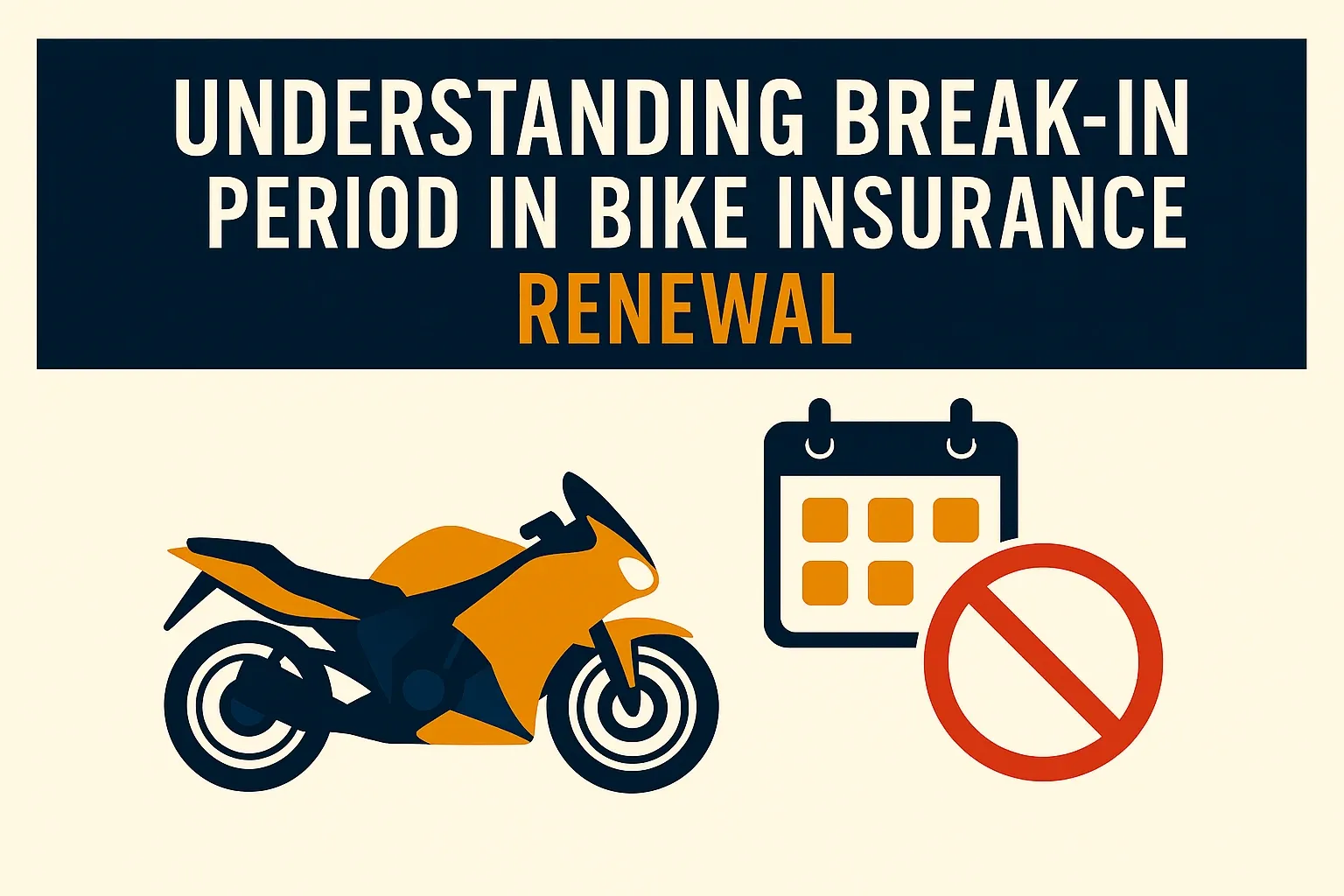
Understanding Break-in Period in Bike Insurance Renewal
Date: May 21, 2026 - Last Modified May 21, 2026


A break-in period in bike insurance refers to the time after policy expiry when your coverage becomes inactive, and renewal may require a vehicle inspection. During this period, you cannot make claims, and delays may lead to loss of benefits like No Claim Bonus (NCB).
Bike insurance can play an important role in maintaining financial support for your vehicle-related needs. Renewing the policy on time can help you enjoy continuous protection and avoid additional steps. However, when someone does not renew their policy within the due time, certain conditions may apply before the policy becomes active again.
Let us understand these conditions to help you in planning a better renewal and ensuring a smooth continuation of coverage.
Break-in Period vs Grace Period in Bike Insurance
A grace period is a short duration provided after a policy has expired, during which renewal can be completed without losing any continuity benefits. Certain benefits, such as the No Claim Bonus, may remain intact during this period. Meanwhile, break in period in bike insurance begins after the grace period ends.
During the break-in period, the policy is not active, and coverage is not available until renewal is completed with additional steps. This period may require inspection of the bike before approval. Understanding this difference helps in planning a timely renewal under a suitable Bike Insurance policy.
Why Does a Break-in Period Apply After Policy Lapse?
The break in period in bike insurance applies when there is a gap between policy expiry and renewal. Insurers use this period to reassess the condition of the vehicle before issuing a new policy. This ensures that the coverage reflects the current state of the bike.
The insurer may ask you for an inspection and verification during this time. A continuous motor insurance policy can help you avoid such steps and ensure smooth renewal without any interruptions.
What Happens During the Break-in Period?
The break-in period is a phase where the policy is under review before activation. During this time, certain steps are followed to complete the renewal.
No Insurance Coverage
During this phase, the bike is not covered under an active policy. The break-in period in bike insurance means coverage will begin only after approval and completion of all required steps.
Inspection Requirement by Insurer
Insurers may request an inspection to assess the current condition of the bike. This can help you confirm that your vehicle details match the policy information and support accurate renewal as a result.
Waiting Period Before Approval
There is usually a short waiting time for approval after an inspection is done. The insurer reviews the submitted details as well as the inspection results before they activate the policy for you.
Bike Inspection Process During Break-in Period
The inspection process is an important part of renewal after a lapse. It can help the insurers in verifying the bike’s condition and ensure that the coverage aligns with the current status of your vehicle.
Documents Required
Basic documents such as the registration certificate of your vehicle, any previous policy details, and your identity proof may be required. All these documents can help the providers verify your ownership of the vehicle and its policy history.
Approval Timeline
The insurer starts processing the renewal request once the inspection and document review are completed. The timeline of this process can vary depending on the method being used for inspection and verification.
Impact of Break-in Period on No Claim Bonus (NCB)
No Claim Bonus is a benefit linked to claim-free years. If the policy is renewed within the grace period, the benefit may continue. However, if renewal is delayed beyond that, the break in period in bike insurance may affect the continuity of this benefit. Maintaining timely renewal helps preserve such advantages under a bike insurance plan.
Risks of Delaying Bike Insurance Renewal
Delaying renewal may lead to additional steps and changes in the policy process. Understanding these aspects can helps you in maintaining a continuous coverage.
Loss of Coverage
When the policy is not renewed on time, there is a period during which the bike does not have active coverage. This means that financial support under the policy is not available during this phase. Renewing the policy before expiry helps maintain continuity. It also ensures that the bike remains protected under a valid motor insurance plan without any interruption.
Legal Penalties
Maintaining at least a valid third party insurance bike policy is a requirement for vehicle owners. If the policy is not active, it may lead to compliance-related concerns. Keeping the policy updated helps ensure that the vehicle meets all required guidelines. Timely renewal supports a smooth usage of the vehicle, also aligning with the regulatory expectations related to your insurance coverage.
Higher Premiums
When there is a gap between the expiry and renewal dates, insurers may reassess the policy based on the bike's current condition. This can influence the premium calculation during renewal. Maintaining continuity in the policy will help you in keeping the terms stable. Renewing on time will also support a consistent premium structure and avoid additional steps in the renewal process.
Inspection Delays
Inspection is an important step during the break-in period, and it may take some time depending on availability and process flow. Delays in scheduling or completing the inspection can extend the renewal timeline. Planning renewal before expiry helps avoid such situations. It ensures that the policy continues without interruption and reduces dependency on additional verification steps.
Tips to Avoid a Break-in Period in Bike Insurance
Planning renewal in advance helps maintain continuous coverage and avoids additional steps. Simple actions can ensure a smooth renewal process.
Renew Before Expiry
Renewing the policy before its expiry date helps maintain continuous coverage without entering a break-in period. It ensures that benefits such as No Claim Bonus remain intact. Planning renewal in advance also avoids additional steps like inspection. This approach supports a smooth and structured experience under a bike insurance policy.
Enable Auto-Renewal
Auto-renewal is a useful feature offered by many insurers. It allows the policy to renew automatically before the expiry date. This reduces the need for manual tracking and helps maintain uninterrupted coverage. Enabling this option ensures that the policy remains active and avoids entering a break-in period due to missed renewal timelines.
Set Renewal Reminders
Setting reminders for policy renewal helps keep track of important dates. This can be done through mobile alerts, calendar notifications, or email updates. Regular reminders ensure timely action and reduce the chances of missing the renewal deadline. This simple step supports continuous coverage and helps avoid the need for additional processes during renewal.
Conclusion
Timely renewal of bike insurance supports uninterrupted coverage and a smooth policy experience. Understanding renewal timelines and processes helps in making informed decisions. Choosing a suitable plan from SBI General Insurance and maintaining regular review of policy details can help ensure clarity and consistency in coverage.
Frequently Asked Questions
1. Can I renew my bike insurance online after the policy has expired?
Yes, bike insurance can be renewed online after expiry. The process may include inspection and document submission before the policy becomes active again.
2. Will my premium increase if I renew bike insurance after the break-in period?
Premiums are reviewed based on current vehicle condition and policy factors. A break-in period may involve reassessment, which can influence the final premium at renewal.
3. How many days after expiry can I renew my bike insurance without losing benefits?
Most insurers provide a grace period of up to 30 days after expiry. Renewing within this time helps maintain continuity benefits like No Claim Bonus.
4. Do all insurers require a bike inspection after policy lapse?
Inspection requirements may vary by insurer. Many insurers request an inspection after a policy lapse to verify the bike’s condition before approving renewal.
5. Can I switch insurers during the break-in period for bike insurance renewal?
Yes, switching insurers is possible during this period. The new insurer may follow its own process, including inspection and document verification, before issuing a policy.
6. What documents are needed to renew expired bike insurance?
Common documents include the registration certificate, previous policy details, identity proof, and inspection details if required by the insurer during renewal.
7. Does third-party bike insurance also have a break-in period after expiry?
Yes, third-party insurance may also involve a break-in period after expiry. Renewal after a lapse may include verification steps before the policy becomes active again.
This blog is intended solely for educational and informational purposes. Content reflects data at time of publication and may not accurately reflect current premiums, terms, or regulations. Readers are encouraged to confirm the accuracy and relevance of the data before making any significant decisions. SBI General Insurance disclaims responsibility for any errors or consequences arising from the use of outdated information provided herein. For more details, please refer to the policy wordings and prospectus before concluding the sales. *Add-ons are subject to payment of additional premium.
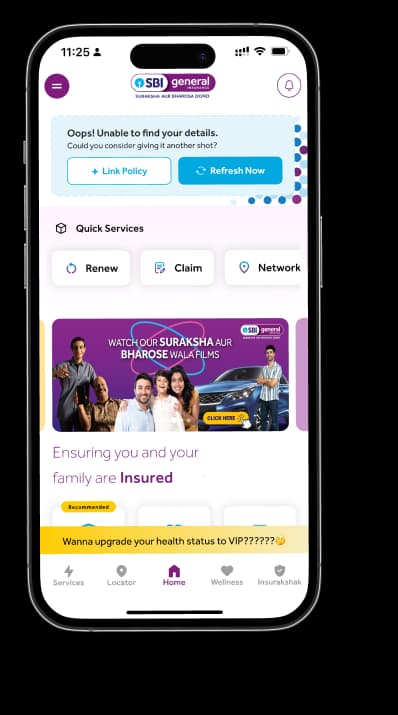
Access and manage all your Insurance Needs in one place, right at your Fingertips.



4/5*
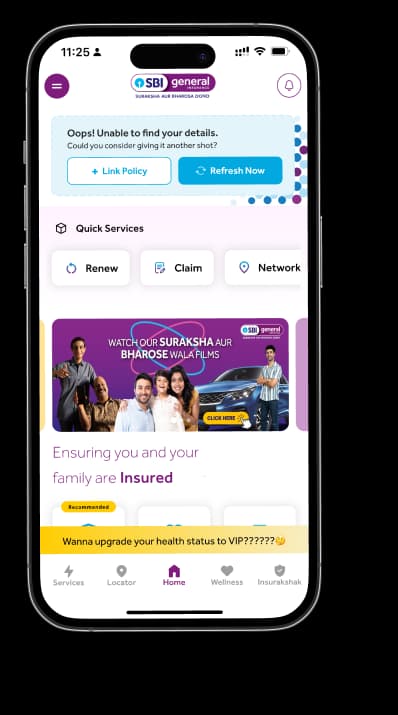
Access and manage all your Insurance Needs in one place, right at your Fingertips.


Vision
Our vision is to become the most trusted general insurer for a transforming India.
Mission
Our mission is to provide simple and innovative general insurance solutions, be responsive to our customers' needs and build a sustainable business for the future.
We're socially active!