


 Contact Us


 Other Insurance
11 Car Maintenance Myths vs Facts

Date: May 12, 2025 - Last Modified May 22, 2025


Taking care of your car is crucial, but with so much misinformation floating around, it's easy to fall for common car care myths. From how to warm up your engine to fuel efficiency hacks, many drivers unknowingly follow outdated or incorrect advice. These myths can cost you money, reduce your car’s efficiency, and even put your safety at risk. Let’s separate fact from fiction and uncover the reality behind some of the most popular car care myths. Knowing the truth will not only help extend the life of your car but also ensure a safer and smoother driving experience.
Car Care Myths Busted
1. You Should Let the Car Warm Up First
Many believe that idling the car for several minutes before driving is necessary to warm up the engine. However, modern fuel-injected cars do not need prolonged idling. Instead, driving gently for the first few minutes is more effective in warming up the engine and getting oil circulating properly. Idling unnecessarily wastes fuel and increases emissions, making it both inefficient and harmful to the environment.
2. Premium Fuel Gives Better Performance Than Regular-Grade Fuel
Unless your car’s manufacturer specifically recommends premium fuel, using it won’t improve performance or mileage. Regular-grade fuel is optimised for most cars, and premium fuel is only beneficial for high-performance engines that require a higher octane rating. Using premium fuel in a standard vehicle offers no added benefit but does increase fuel costs. Always check your car’s manual before opting for a higher octane fuel.
3. You Don’t Need to Replace the Tyre Till It’s Down to the Minimum Tread Depth
Waiting until your tyres reach the legal minimum tread depth is risky. Reduced tread depth significantly affects grip, especially on wet roads, increasing the chances of skidding. Regularly check your car tyre alignment and replace tyres before they become too worn out. Investing in good-quality tyres and ensuring they are well-maintained enhances both safety and comfort on the road.
4. You Should Change the Oil Regularly, No Matter What
While regular oil changes are necessary, the outdated rule of changing it every 3,000 miles no longer applies to most modern cars. Many vehicles can go 7,500 to 10,000 miles between oil changes, as long as you use the recommended oil type and follow the manufacturer’s schedule. Using synthetic oil can also help extend oil change intervals and improve engine longevity.
5. You Should Inflate the Tyres to the Pressure Written on the Side
The pressure marked on the side of your tyre is the maximum pressure, not the recommended one. Instead, check your car’s manual or the label inside the driver’s door for the correct car tyre pressure monitor settings to ensure better fuel efficiency and safety. Incorrect tyre pressure can lead to uneven wear, poor handling, and even an increased risk of blowouts. Regularly monitoring and adjusting your tyre pressure is a simple yet effective way to enhance performance.
6. Your Insurance Will Cover Everything
Many car owners assume their car insurance policy covers all kinds of damages and losses. However, standard policies have exclusions and may not cover things like wear and tear, mechanical breakdowns, or non-accidental damage. It’s important to read your policy carefully and consider additional coverage options if needed. Comprehensive insurance plans often provide better protection, covering theft, natural disasters, and third-party liabilities.
7. Mobile Phones Explode in Petrol Pumps
Despite warning signs at petrol stations, there is no scientific evidence that mobile phones cause explosions at fuel pumps. The primary risk comes from static electricity, not phone signals. However, it’s still good practice to avoid distractions while refuelling.
8. Tyres May Do Without Maintenance
Some believe tyres don’t need much attention unless they are visibly damaged. In reality, checking car tyre pressure monitor settings, tread depth, and car tyre alignment regularly can prevent uneven wear, improve safety, and extend tyre life.
9. Electric Cars Are More Likely To Catch Fire
While electric cars have batteries that can catch fire under extreme conditions, the likelihood of this happening is not higher than that of petrol or diesel cars. Studies show that EVs have a lower fire risk compared to internal combustion engine vehicles when maintained properly.
10. Downed Windows Translate to Fuel Efficiency
Some believe that keeping windows down instead of using AC saves fuel. While this is true at lower speeds, open windows create aerodynamic drag at higher speeds, reducing fuel efficiency. Using air conditioning moderately is often more efficient during highway driving.
11. Paint Protects Cars from Scratches
Car paint provides some protection, but it doesn’t prevent scratches. Protective coatings, waxing, and clear wraps offer better protection against minor scratches and external damage.
Also Read: 8 Car Maintenance Tips Every Motorist Should Know
Conclusion
Understanding the truth behind these car care myths can help you make better decisions, extend the life of your vehicle, and save money in the long run. Always rely on your car manufacturer’s recommendations rather than hearsay. Additionally, having a comprehensive car insurance policy ensures financial security in case of unexpected incidents. SBI General Insurance offers reliable and extensive car insurance coverage to keep your vehicle protected from uncertainties.
This blog is intended solely for educational and informational purposes. Content reflects data at time of publication and may not accurately reflect current premiums, terms, or regulations. Readers are encouraged to confirm the accuracy and relevance of the data before making any significant decisions. SBI General Insurance disclaims responsibility for any errors or consequences arising from the use of outdated information provided herein. For more details, please refer to the policy wordings and prospectus before concluding the sales. *Add-ons are subject to payment of additional premium.
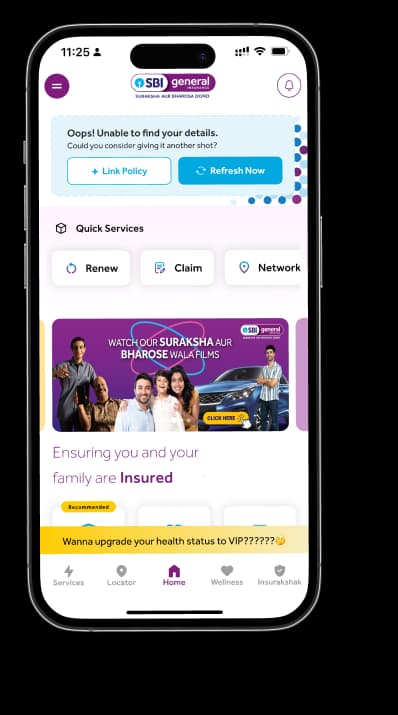
Access and manage all your Insurance Needs in one place, right at your Fingertips.



4/5*
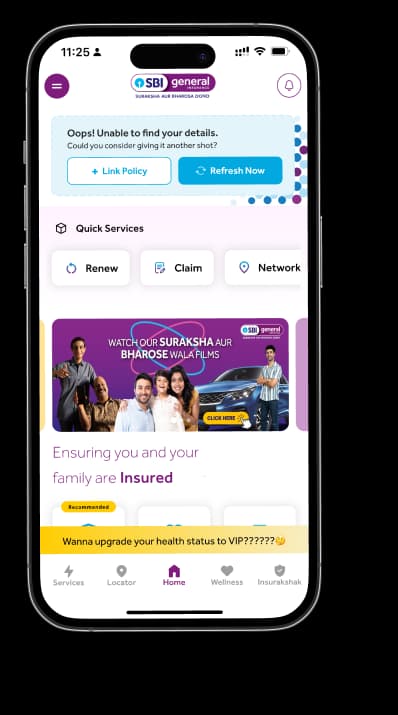
Access and manage all your Insurance Needs in one place, right at your Fingertips.


Vision
Our vision is to become the most trusted general insurer for a transforming India.
Mission
Our mission is to provide simple and innovative general insurance solutions, be responsive to our customers' needs and build a sustainable business for the future.
We're socially active!