




 Contact Us


 Other Insurance
Car Inspection: Meaning, Purpose and Process
Date: Jul 8, 2026 - Last Modified Jul 9, 2026


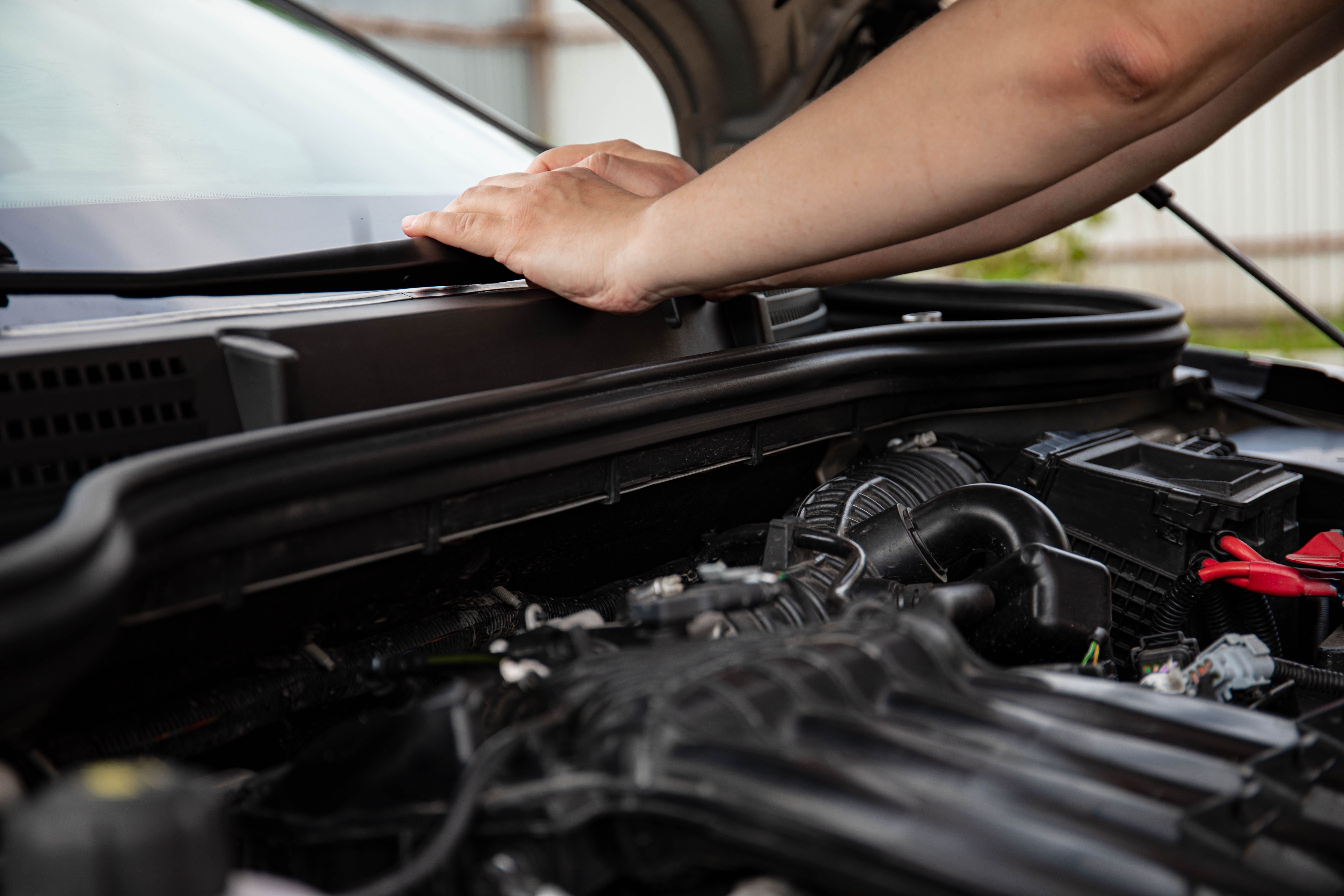
Owning a car involves more than regular driving and maintenance. There are times when the condition of a vehicle needs to be checked and documented in a structured manner. This evaluation helps create a clear record of the vehicle's condition at a specific point in time. It is commonly carried out during insurance-related activities, ownership changes, and other vehicle-related processes.
Understanding how a car inspection works can help vehicle owners prepare the required information and documents when needed.
Why Is Car Inspection Important?
A proper evaluation of a vehicle helps create transparency about its condition and supports various vehicle-related processes.
Helps Assess Vehicle Condition
A car inspection provides a detailed overview of the vehicle's current condition. It may include checking the exterior, interior, tyres, lights, and other visible components. Many vehicle owners appreciate this process because it creates a clear record of the vehicle at the time of inspection.
Supports Fair Insurance Risk Assessment
Insurance companies may use information gathered during a vehicle inspection to understand the condition of a vehicle. This information helps them assess relevant details before issuing or renewing a policy. Accurate vehicle information supports appropriate policy evaluation.
Identifies Existing Damage
The car inspection process helps document existing dents, scratches, or other visible conditions. This creates a record that can be referred to later whenever required. Vehicle owners often find this useful when maintaining service and insurance records.
Helps Assess Roadworthiness and Safety
A structured car inspection can help identify whether visible vehicle components are functioning properly. Items such as lights, mirrors, tyres, and indicators are commonly reviewed to ensure they are in working condition.
When Is a Car Inspection Required?
Certain situations may require an assessment of the vehicle before completing an insurance or ownership-related process.
During Policy Renewal After a Lapse
If there is a break in policy coverage, insurers may request a vehicle inspection before issuing a new policy. This allows the insurer to review the current condition of the vehicle.
When Buying a Used Car
Many buyers choose to complete a car inspection process before purchasing a used vehicle. It helps them understand the vehicle's condition and verify visible aspects before making a decision.
During Ownership Transfer
Vehicle transfers often involve reviewing the condition of the vehicle. A car inspection may help document the vehicle's status at the time ownership changes from one individual to another.
After Vehicle Modifications
When visible modifications are made to a vehicle, insurers or authorities may request a vehicle inspection. This helps ensure that updated details are properly recorded.
Types of Car Inspections
Different inspection methods may be used depending on the insurer, process requirements, and available technology.
Self-Inspection Through Mobile App
Many insurers now offer digital inspection facilities through mobile applications. In this type of car inspection process, vehicle owners upload photographs and videos of their vehicle through the app.
The process is often simple and convenient. Many users share that completing a self-inspection from home saves time and reduces the need for physical appointments.
Physical Inspection by Surveyor
A surveyor may visit the vehicle location and perform a detailed car inspection. During this process, visible vehicle components are reviewed and documented.
This method is commonly used when a detailed assessment is required. The surveyor may take photographs and record observations about the vehicle's condition.
Pre-Insurance Inspection
A pre-insurance vehicle inspection is usually conducted before issuing certain insurance policies. It helps create a record of the vehicle before policy issuance.
The inspection may include:
Exterior condition check
Tyre condition review
Vehicle photographs
Chassis and engine number verification
Interior condition assessment.
Situations Where Car Inspection May Not Be Required
In some situations, an inspection may not be necessary. Requirements can vary depending on the insurer and policy type.
Some examples include:
Continuous policy car insurance coverage without any lapse
Renewal completed within the permitted timeline
Recently purchased new vehicles
Digital policy renewals where existing records are available
Certain policy upgrades based on insurer guidelines
How Car Inspection Affects Insurance Claims and Renewals?
A car inspection for insurance helps insurers check the vehicle's condition before providing or renewing insurance coverage in certain situations. During a car insurance renewal, an inspection may be required if the policy has lapsed, there has been a long break in coverage, or the insurer requests one as part of its underwriting process. The inspection helps verify the vehicle's current condition and identify any existing damage.
Similarly, a pre-inspection can also play a role during the claims process in specific cases. The inspection records the condition of the vehicle before the policy is issued or renewed. This makes it easier to distinguish pre-existing damage from damage caused by a covered incident. This supports a smoother and more transparent claims assessment, subject to the policy terms and conditions.
Conclusion
A car inspection is a structured process that helps document the condition of a car for insurance and ownership-related purposes. Whether conducted digitally or physically, it creates a useful record of the vehicle's status. Understanding when inspections are required and how they work can help vehicle owners prepare in advance and complete related procedures with greater confidence.
A suitable motor insurance policy from SBI General Insurance can complement responsible vehicle ownership by providing financial protection against unexpected situations.
FAQs
1. Is car inspection mandatory for insurance renewal?
Car inspection requirements depend on the insurer and the policy status. Inspections are commonly requested when there is a break in policy coverage, ownership changes, or when additional vehicle verification is required.
2. How long does a car inspection take?
The duration of a car inspection varies based on the inspection method. A digital self-inspection may take around 10 to 20 minutes, while a physical inspection can take slightly longer depending on the vehicle.
3. What documents are needed for vehicle inspection?
Commonly requested documents include the vehicle registration certificate (RC), previous insurance policy details, identity proof, and photographs of the vehicle. Requirements may vary depending on the insurer or inspection purpose.
4. Can I complete a car inspection online?
Yes, many insurers offer online inspection facilities through mobile applications or web portals. Vehicle owners can upload photographs and videos of their cars to complete the inspection process remotely.
5. What happens if my car fails inspection?
If certain observations require clarification or additional verification, the insurer may request updated photographs, supporting documents, or a follow-up inspection before proceeding with the policy-related process.
6. Is inspection required for a new car?
Newly purchased vehicles generally come with supporting purchase and registration documents. In many cases, additional inspection may not be required during the initial insurance issuance process, depending on insurer guidelines.
This blog is intended solely for educational and informational purposes. Content reflects data at time of publication and may not accurately reflect current premiums, terms, or regulations. Readers are encouraged to confirm the accuracy and relevance of the data before making any significant decisions. SBI General Insurance disclaims responsibility for any errors or consequences arising from the use of outdated information provided herein. For more details, please refer to the policy wordings and prospectus before concluding the sales. *Add-ons are subject to payment of additional premium.
Access and manage all your Insurance Needs in one place, right at your Fingertips.




4/5*
Access and manage all your Insurance Needs in one place, right at your Fingertips.



Vision
Our vision is to become the most trusted general insurer for a transforming India.
Mission
Our mission is to provide simple and innovative general insurance solutions, be responsive to our customers' needs and build a sustainable business for the future.
We're socially active!




