




 Contact Us


 Other Insurance
Understanding the Engine Capacity of 1.0-Litre and 1.2-Litre Engines
Date: Jun 30, 2026 - Last Modified Jun 30, 2026


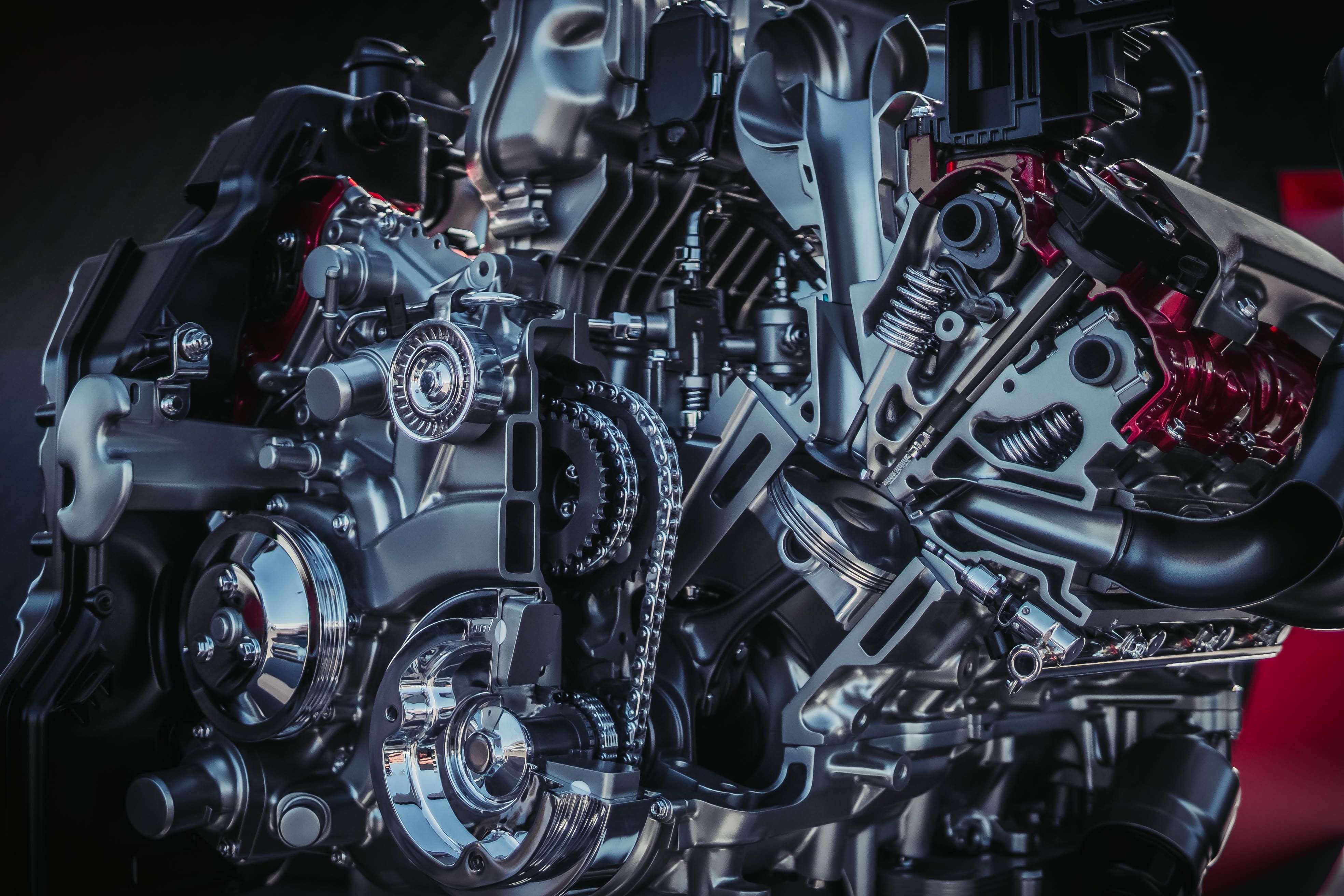
Engine capacity refers to the total volume of air and fuel that an engine's cylinders can hold during one complete cycle. It is commonly expressed in cubic centimetres (cc) or litres. Learning about engine capacity helps buyers compare vehicle performance, fuel efficiency, and driving characteristics before making a purchase decision.
Key Differences Between 1.0-Litre and 1.2-Litre Engines
The main difference between a 1.0-litre and a 1.2-litre engine lies in their engine displacement. A 1.2-litre engine has a displacement of approximately 1,200 cc, while a 1.0-litre engine has around 1,000 cc. This difference can influence performance, fuel efficiency, and the overall driving experience.
The table below highlights the key differences between the two engine types.
Feature | 1.0-litre engine | 1.2-litre engine |
Engine capacity | 1000 cc | 1200 cc |
Power output | Moderate | Slightly higher |
Torque | Moderate | Higher |
City driving | Suitable | Suitable |
Highway driving | Comfortable | More relaxed |
Fuel Efficiency and Running Costs
While fuel efficiency varies from one car to another, engine size can influence fuel consumption and overall running costs. However, driving habits, traffic conditions, vehicle weight, and regular maintenance also play an important role.
Factor | 1.0-Litre Engine | 1.2-Litre Engine |
Fuel Efficiency | Generally, offers better fuel efficiency in city driving | May consume slightly more fuel, depending on driving conditions |
Running Costs | Lower fuel costs due to better mileage | Fuel expenses may be marginally higher |
Maintenance | Routine maintenance costs are generally similar | Routine maintenance costs are generally similar |
Best Suited For | Frequent city commuters looking to maximise fuel economy | Drivers seeking a balance between fuel efficiency and performance |
Note: A 1000 cc engine is equivalent to a 1.0-litre engine, while a 1200 cc engine is equivalent to a 1.2-litre engine. Engine capacity is often expressed in either cubic centimetres (cc) or litres, depending on the manufacturer.
Which Engine Is Better for City and Highway Driving? 1.0L vs 1.2L
The ideal engine depends on driving requirements.
For city driving:
Frequent stop-and-go traffic
Short daily commutes
Lower average speeds
Compact vehicle usage
For highway driving:
Long-distance travel
Overtaking opportunities
Higher cruising speeds
Additional passenger and luggage load
Some drivers who regularly commute within cities find 1.0-litre vehicles practical. Others who frequently travel between cities often appreciate the additional flexibility offered by a 1.2-litre engine.
Understanding what a 1.2 litre engine is can help buyers evaluate whether a larger displacement aligns with their driving habits.
Pros and Cons of 1.0-Litre vs 1.2-Litre Engines
Every engine size offers its own set of characteristics.
1.0-litre engine
Advantages
Compact engine design
Suitable for daily commuting
Commonly found in urban hatchbacks
Often lighter in weight
Considerations
Designed primarily for city-focused usage
Performance characteristics vary by vehicle model
1.2-litre engine
Advantages
Higher displacement
Comfortable highway performance
Suitable for family-oriented usage
Additional power and torque potential
Considerations
Vehicle characteristics differ by manufacturer
Many users who compare these engines also encounter the term engine kit while discussing engine maintenance and repairs. An engine kit generally includes various components used during engine servicing or rebuilding activities. It includes components like gaskets, piston rings, and seals used during servicing or overhaul.
Factors to Consider Before Choosing an Engine Size
Choosing the right engine involves evaluating personal requirements rather than focusing solely on engine capacity.
Consider the following factors:
Daily usage
City driving
Highway travel
Mixed driving conditions
Passenger load
Individual commuting
Family usage
Frequent travel with luggage
Vehicle type
Hatchback
Sedan
Compact SUV
Maintenance preferences
Many buyers research engine kit options when learning about long-term vehicle maintenance. Understanding service requirements can help vehicle owners make informed decisions.
Budget considerations
Vehicle purchase costs, fuel expenses, and maintenance budgets may all influence engine selection.
Many buyers also explore 1000cc to litres conversions while comparing vehicle specifications because manufacturers may use either measurement format.
Along with selecting the right engine, maintaining valid car insurance and completing timely car insurance renewal are important aspects of responsible vehicle ownership.
Comparison Summary
Consideration | 1.0-litre engine | 1.2-litre engine |
Urban driving | Well suited | Well suited |
Highway driving | Comfortable | More comfortable |
Passenger load | Moderate | Higher flexibility |
Engine capacity | 1000 cc | 1200 cc |
Driving feel | Light and agile | Smooth and responsive |
A 1.2 litre petrol engine means an engine displacement of approximately 1200 cc, helping buyers compare vehicle specifications more effectively.
Conclusion
Both 1.0-litre and 1.2-litre engines offer practical advantages depending on driving requirements. Understanding engine capacity, vehicle usage patterns, and maintenance considerations can help buyers choose an option that aligns with their daily travel needs and preferences.
Along with selecting the right engine, it is important to choose suitable motor insurance from SBI General Insurance. Remember that valid third-party insurance is mandatory for all vehicle owners under the Motor Vehicles Act, 1988.
FAQs
1. Which is better, a 1.0-litre or 1.2-litre engine?
The choice depends on individual driving needs. A 1.0-litre engine is often preferred for daily city commutes, while a 1.2-litre engine may offer additional flexibility for highway travel and carrying passengers or luggage.
2. Does a 1.2-litre engine consume more fuel than a 1.0-litre engine?
Fuel consumption depends on factors such as driving habits, traffic conditions, vehicle weight, and maintenance. Engine size is one of several factors that can influence overall fuel efficiency.
3. Is a 1.0-litre engine powerful enough for highway driving?
Many modern 1.0-litre engines are designed to handle highway driving comfortably. Performance can vary depending on the vehicle model, transmission type, passenger load, and engine technology.
4. What are the advantages of a 1.2-litre engine over a 1.0-litre engine?
A 1.2-litre engine generally offers a larger displacement, which may contribute to higher power and torque output. Many drivers find it comfortable for longer journeys and varying road conditions.
5. How does engine capacity affect car performance and mileage?
Engine capacity influences how much air and fuel an engine can process during combustion. It can affect acceleration, power delivery, driving characteristics, and fuel efficiency, along with several other vehicle-related factors.
This blog is intended solely for educational and informational purposes. Content reflects data at time of publication and may not accurately reflect current premiums, terms, or regulations. Readers are encouraged to confirm the accuracy and relevance of the data before making any significant decisions. SBI General Insurance disclaims responsibility for any errors or consequences arising from the use of outdated information provided herein. For more details, please refer to the policy wordings and prospectus before concluding the sales. *Add-ons are subject to payment of additional premium.
Access and manage all your Insurance Needs in one place, right at your Fingertips.




4/5*
Access and manage all your Insurance Needs in one place, right at your Fingertips.



Vision
Our vision is to become the most trusted general insurer for a transforming India.
Mission
Our mission is to provide simple and innovative general insurance solutions, be responsive to our customers' needs and build a sustainable business for the future.
We're socially active!




