


 Contact Us


 Other Insurance
Highway Driving Rules in India: A Comprehensive Guide
Date: Mar 18, 2026 - Last Modified Mar 20, 2026


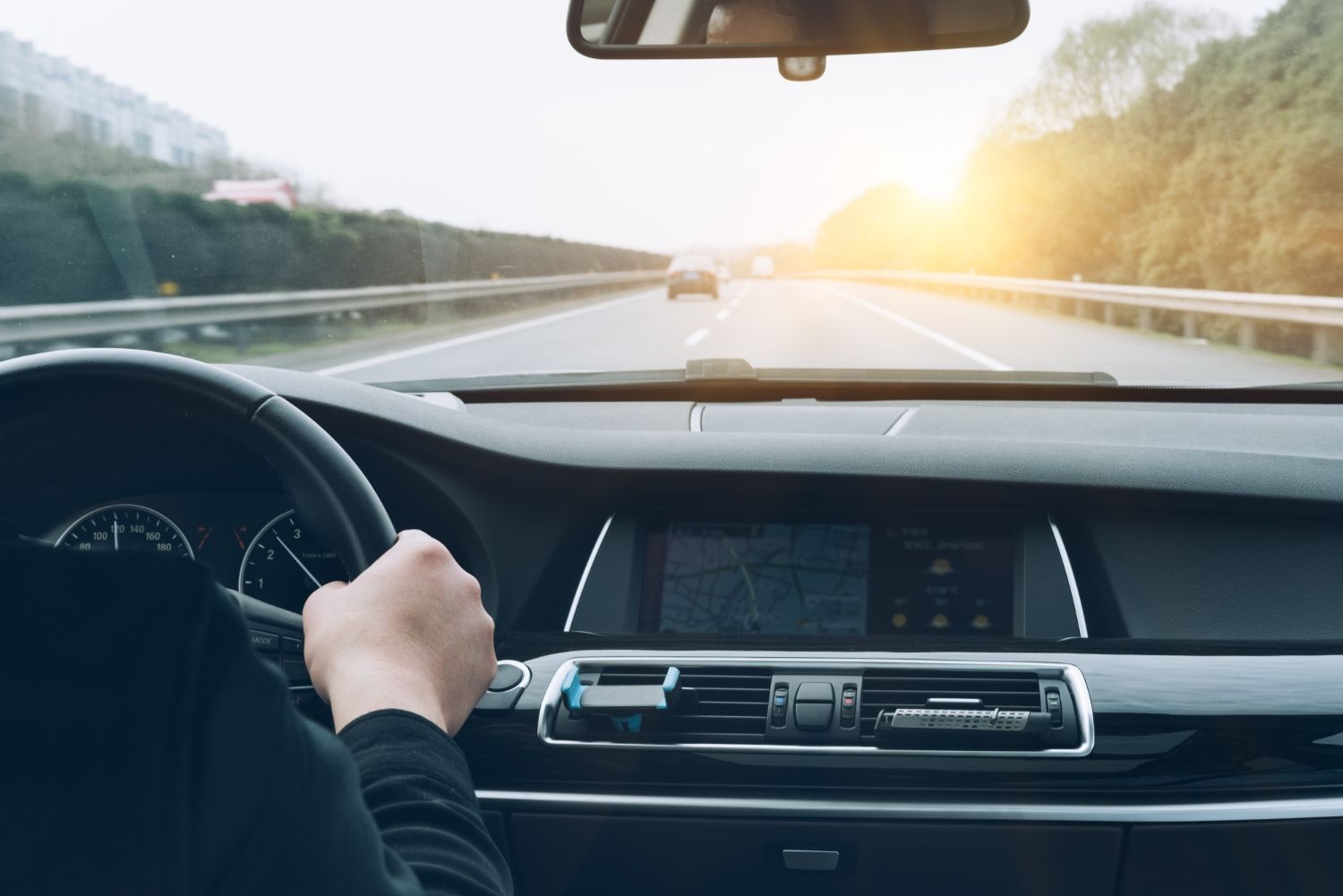
Highways and expressways are designed to make long-distance travel faster and more efficient. Knowing highway driving rules in India helps motorists follow traffic norms, maintain proper lane discipline, and stay alert to road signs. These highway driving rules support smoother traffic movement and help create safer driving conditions for everyone on the road.
Key Safety Regulations for the Highway
Here are some key categories of rules that every vehicle owner should follow while on the highway.
a. Speed Limits and Overtaking Rules
Speed management has an essential role in highway safety. Speed limits on highways and expressways are fixed by the road authority and may vary as per the road design, location, and vehicle category.
Common speed guidelines include:
The speed limit for passenger cars on expressways is usually between 100 km/h and 120 km/h.
The limit for national highways is typically between 80 km/h and 100 km/h.
Heavy vehicles such as trucks usually have lower speed limits.
Drivers must also observe overtaking rules while travelling at higher speeds. Safe overtaking practices include:
Overtake only from the right side of the vehicle ahead.
Ensure the lane ahead is clear before you change lanes.
Avoid sudden acceleration or braking while overtaking.
Return to the original lane once the manoeuvre is completed.
b. Lane Discipline and Safe Following Distances
Highways have multiple lanes to allow vehicles moving at different speeds to travel efficiently. Drivers should follow these basic lane guidelines:
Use the left lane for regular driving.
Use the right lane mainly for overtaking.
Avoid unnecessary lane changes.
Signal before switching lanes.
It is also important to maintain a safe following distance. A common guideline is the three-second rule. Drivers should ensure that there is at least a three-second gap between their vehicle and the one ahead.
Before You Hit the Highway
Before starting a long journey, drivers should ensure that both the vehicle and necessary documents are ready for travel. Highways involve sustained driving at higher speeds. Therefore, vehicle condition and driver alertness become critical factors in road safety.
a. Vehicle Safety & Pre-Trip Checks
A basic inspection before starting a trip can help identify mechanical issues if any:
A basic inspection before starting a trip can help identify mechanical issues if any:
• Tyre condition and pressure
Make sure the tyres are suitably inflated and don’t have any visible damage.
• Brake performance
Check that the brakes respond smoothly and don’t make any unusual noise.
• Headlights and indicators
Ensure that all lights function properly for visibility and signalling.
• Engine fluids
Check that there are adequate levels of engine oil, coolant and brake fluid.
• Fuel level
Ensure sufficient fuel is available for long stretches of highway travel.
• Proper Documentation
Drivers should also keep the required documents in the vehicle, including driving licence, vehicle registration certificate, a valid motor insurance policy, and a pollution under control certificate.
Emergency Protocols and Breakdown Rules
Even after taking adequate precautions, unexpected events such as vehicle breakdowns can occur during highway travel. Knowing how to respond calmly and correctly helps maintain safety for both the driver and other road users.
a. Emergency Breakdown Procedures
If a vehicle experiences a mechanical issue on a highway, the driver should follow a structured approach to maintain safety. Here are some highway driving rules and practices to keep in mind:
Move the vehicle toward the shoulder or emergency lane as soon as possible.
Turn on the hazard warning lights immediately.
Place a reflective warning triangle at a safe distance behind the vehicle.
Exit the vehicle carefully and move away from active traffic lanes.
b. Emergency Communications & Safety Gear
Having basic safety equipment in your vehicle can help you manage roadside situations efficiently.
Recommended items to have are:
Reflective warning triangles
Emergency light or torch
First-aid kit
Power bank or phone charger
Spare tyre and toolkit.
Many highways provide roadside assistance services or emergency helpline numbers. Keeping emergency contact information readily accessible can help drivers in unexpected situations. In addition, you can also reach out to your insurance provider if you have opted for breakdown assistance services with your coverage plan.
Highway Driving Etiquette and Best Practices
Apart from formal regulations, responsible behaviour on highways improves safety for all road users. Important highway driving practices include:
Maintain a steady speed instead of frequent acceleration or braking.
Use indicators well in advance before changing lanes.
Avoid using mobile phones while driving.
Follow traffic signs and electronic speed displays.
Use headlights appropriately while driving at night.
Conclusion
Understanding highway driving rules in India helps you travel safely and responsibly on high-speed roads. Following established highway driving rules supports both safety and regulatory compliance. Along with proper preparation and responsible driving behaviour, staying protected with a well-designed motor insurance policy from SBI General Insurance can add an additional layer of financial security for road travel.
Disclaimer: This blog offers general information on car insurance for educational purposes only. Content reflects data at time of publication and may not accurately reflect current premiums, terms, or regulations.
FAQs
What is the speed limit on Indian expressways?
Speed limits on expressways usually range between 100 km/h and 120 km/h for cars, depending on the specific highway and state regulations.
Can two-wheelers use expressways in India?
Some expressways may restrict entry of two-wheelers, slow-moving vehicles and non-motorised transport.
What documents are required for expressway driving?
Drivers should carry a valid driving licence, vehicle registration certificate, motor insurance policy, and a pollution under control certificate.
What are common expressway fines and penalties?
Common penalties may apply for over speeding, lane violations, driving without documents or dangerous overtaking.
Is it safe to drive on expressways at night?
Night driving can be safe when proper precautions are followed, including using headlights correctly, maintaining moderate speeds, and remaining attentive to road signs. Being well-rested and alert is especially important when driving at night.
How should I handle a breakdown on an expressway?
Move the vehicle to the shoulder lane, switch on hazard lights, place a warning triangle, and contact roadside assistance or emergency services.
Are expressway rules different from highways in India?
Expressways usually have stricter entry rules, higher speed limits, and controlled access points compared with regular highways.
What safety gear should I carry for expressway travel?
Drivers should keep a first-aid kit, reflective warning triangle, spare tyre, torch and basic repair tools in the vehicle.
How do expressway overtaking rules differ from city roads?
On expressways, overtaking generally occurs from the right lane and lane discipline becomes more important due to higher speeds.
What is the minimum safe following distance on an expressway?
A common rule is: maintain a three-second gap between vehicles. This allows adequate braking time at highway speeds.
This blog is intended solely for educational and informational purposes. Content reflects data at time of publication and may not accurately reflect current premiums, terms, or regulations. Readers are encouraged to confirm the accuracy and relevance of the data before making any significant decisions. SBI General Insurance disclaims responsibility for any errors or consequences arising from the use of outdated information provided herein. For more details, please refer to the policy wordings and prospectus before concluding the sales. *Add-ons are subject to payment of additional premium.
Access and manage all your Insurance Needs in one place, right at your Fingertips.



4/5*
Access and manage all your Insurance Needs in one place, right at your Fingertips.


Vision
Our vision is to become the most trusted general insurer for a transforming India.
Mission
Our mission is to provide simple and innovative general insurance solutions, be responsive to our customers' needs and build a sustainable business for the future.
We're socially active!