


 Contact Us


 Other Insurance
How to Check the Chassis Number of the Car
Date: Dec 11, 2025 - Last Modified Jun 4, 2026


When purchasing a car, some buyers may not pay much attention to the chassis number, Vehicle Identification Number (VIN), or engine number. However, these unique identifiers play an important role in establishing a vehicle's authenticity, maintaining accurate records, and facilitating processes such as registration and verification in India.
This article explains what chassis and engine numbers are, how individuals can obtain them, and how they assist car owners.
What is the Chassis Number?
Before learning how to find a VIN chassis number, it is important to understand what these identifiers represent. The Vehicle Identification Number (VIN) is a unique code assigned to every vehicle in India. It contains important information about the vehicle, including details related to its manufacturer, specifications, and identification records. The chassis number, on the other hand, is a unique identifier assigned to the vehicle's chassis and typically forms part of the VIN.
The verification of this number is important before purchasing or selling a car, as it offers confirmation about the vehicle’s authenticity and condition.
How to Find a Car's VIN?
For those wondering ‘how to check my VIN number’, the following are some simple methods:
Registration Certificate
Every vehicle in India must be registered with the Regional Transport Office (RTO). As a result, vehicle owners can find the VIN mentioned on the vehicle's Registration Certificate (RC).
Door and Hood
The VIN may be printed on a metal strip on the driver's side door B-pillar. It can be seen with ease when the driver's side door opens. The chassis number is also on the hood, placed next to the engine.
Dashboard
Some manufacturers can print the VIN on the dashboard, typically on the driver’s side. However, this may not be applicable to all car models.
Boot Space
The chassis or VIN may also be available inside the boot, under the spare wheel.
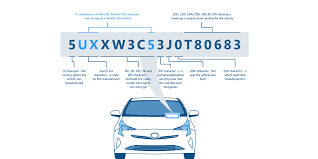
Understanding the VIN
- First Character: Indicates the country or region where the vehicle was manufactured.
- Second and Third Character: Help identify the vehicle manufacturer and, in some cases, the vehicle category or manufacturing division.
- Fourth to Eighth Characters: Provide details about the vehicle, such as its model, body style, engine type, and other key specifications.
- Ninth Character: Acts as a verification code used to validate the VIN.
- Tenth Character: Usually indicates the vehicle's model year.
- Eleventh Character: Identifies the manufacturing plant where the vehicle was assembled.
- Twelfth to Seventeenth Characters: Represent the vehicle's unique serial number, which distinguishes it from other vehicles of the same make and model.
Common Uses of VIN in India
Now that the query ‘how can I check my VIN number’ has been answered, understanding the uses of the number is also essential. It can safeguard individuals in various situations:
Insurance
When an individual purchases motor insurance, the insurance provider may need the VIN. It helps the company legally verify an individual’s ownership. It also enables risk assessment, especially during total loss or damage.
Stolen Vehicle Identification
If an individual is trying to sell a stolen car, the car owner can cross-check the VIN.
Unique Identification
For legal purposes, insurance claims, or for safeguarding against theft, every car has a unique identification number.
Vehicle History Check
When an individual wants to purchase a resale car, the first thing they can do is note the car's VIN. It may help verify vehicle details and can assist in certain vehicle history checks where records are available.
Recall Information
At times, car manufacturers may discover that a batch of vehicles has a manufacturing problem. The chassis number makes it easy for them to recall such cars so that they can repair or upgrade them.
Legal Documentation
For completing many car-related legal tasks, the chassis number may be essential. Without it, an individual may face various difficulties.
Resale Value Assessment
A car owner may sell a car at an exceptionally high price by manipulating the facts. The buyer must use the VIN to access all the car's records, so it can be purchased at an accurate price.
How to Verify a Vehicle Using the VIN
To verify a car’s VIN, an individual must cross-check its manufacturing details and legal status in the following ways:
Government Records
One of the most trusted ways to verify vehicle details is through the Ministry of Road Transport and Highways. The official Parivahan portal offers accurate information.
Decode Manufacturing Details
The VIN is a 17-character alphanumeric string present on the vehicle and stamped on the Registration Certificate (RC). It may provide information such as the manufacturer, model year, assembly plant, and certain vehicle specifications.
Physical Verification
When purchasing a used vehicle, a buyer can request a physical verification. Such verification can help prevent vehicle fraud.
Where Can I Find the Engine Number of My Car?
The engine number is just as important as the VIN. It is important because technicians, owners, and authorities can track the engine’s specifications, history, and origin using this number. The following are some places you can find the engine number:
Hood
After lifting the hood, individuals can check the engine block. The engine number may be stamped near the cylinder head, on the transmission, or even on the front.
VIN Plate / Sticker
Under the hood, there may be a VIN plate or sticker. Here, right beside the VIN, the engine number may be engraved or printed.
Difference Between VIN, Chassis Number, and Engine Number
Though the VIN and chassis number are often used interchangeably, they differ in certain respects. The following table highlights the differences between all three:
| Feature | VIN | Chassis Number | Engine Number |
| Definition | It is an alphanumeric code that is assigned to identify vehicles. | It is a unique number assigned to the chassis frame. In many modern vehicles it forms a part of the VIN. | It is a unique number assigned to the vehicle's engine. |
| Purpose | It can help identify the complete vehicle, including manufacturer, model, production details, and specifications. | It helps identify the vehicle’s structural frame or chassis. | It helps identify the engine fitted in the vehicle. |
| Number Format | It is a 17-digit combination of letters and numbers. | It is a short sequence of letters and numbers that may be incorporated within the VIN. | The alphanumeric code varies by the manufacturer. |
These numbers, which help establish vehicle identity, are important for car insurance coverage. The provision of accurate details, such as the engine number or the VIN, can make the process of policy issuance smooth.
How to Get Your Vehicle Details Online?
Here is how to find the chassis number online or verify other vehicle details:
Visit the Parivahan Sewa Portal.
Navigate to ‘Know Your Vehicle Details’.
Log in using their registered mobile number.
Enter the vehicle details and CAPTCHA.
The portal will then provide information such as owner details and VIN.
Conclusion
For maintaining and checking the car’s records, knowing how to find the VIN and chassis number as well as the engine number is important. These numbers help maintain transparency, make transactions smooth and help obtain car insurance. Noting them can help simplify paperwork and avoid problems with vehicle records.
Vehicle owners can explore car insurance solutions from SBI General Insurance based on their coverage requirements.
FAQs
1. Where is the chassis number located in a car?
The chassis number is usually found on the vehicle’s dashboard, driver-side door pillar, engine bay, boot area, in the registration certificate (RC), and on insurance documents.
2. Is the chassis number the same as the VIN?
In many vehicles, the chassis number forms part of the VIN. However, the VIN is a broader vehicle identification code, while the chassis number specifically relates to the vehicle's frame.
3. Can I check the chassis number online in India?
Yes, vehicle details linked to the chassis number or VIN can be checked using the official government portal by accessing the vehicle information services available online.
4. Why is the chassis number important for insurance?
The chassis number can help insurers verify vehicle identity, ownership, and specifications. It is important for policy issuance, renewals, claim processing, and fraud prevention.
5. How to verify a car using the chassis number?
A car can be verified by checking its chassis number against official records, registration documents, and vehicle history details to confirm ownership, manufacturing information, and legal status.
This blog is intended solely for educational and informational purposes. Content reflects data at time of publication and may not accurately reflect current premiums, terms, or regulations. Readers are encouraged to confirm the accuracy and relevance of the data before making any significant decisions. SBI General Insurance disclaims responsibility for any errors or consequences arising from the use of outdated information provided herein. For more details, please refer to the policy wordings and prospectus before concluding the sales. *Add-ons are subject to payment of additional premium.
Access and manage all your Insurance Needs in one place, right at your Fingertips.




4/5*
Access and manage all your Insurance Needs in one place, right at your Fingertips.



Vision
Our vision is to become the most trusted general insurer for a transforming India.
Mission
Our mission is to provide simple and innovative general insurance solutions, be responsive to our customers' needs and build a sustainable business for the future.
We're socially active!