


 Contact Us

 Other Insurance
How To Transport A Bike From One State To Another In A Train?
Date: Dec 5, 2025 - Last Modified Apr 9, 2026


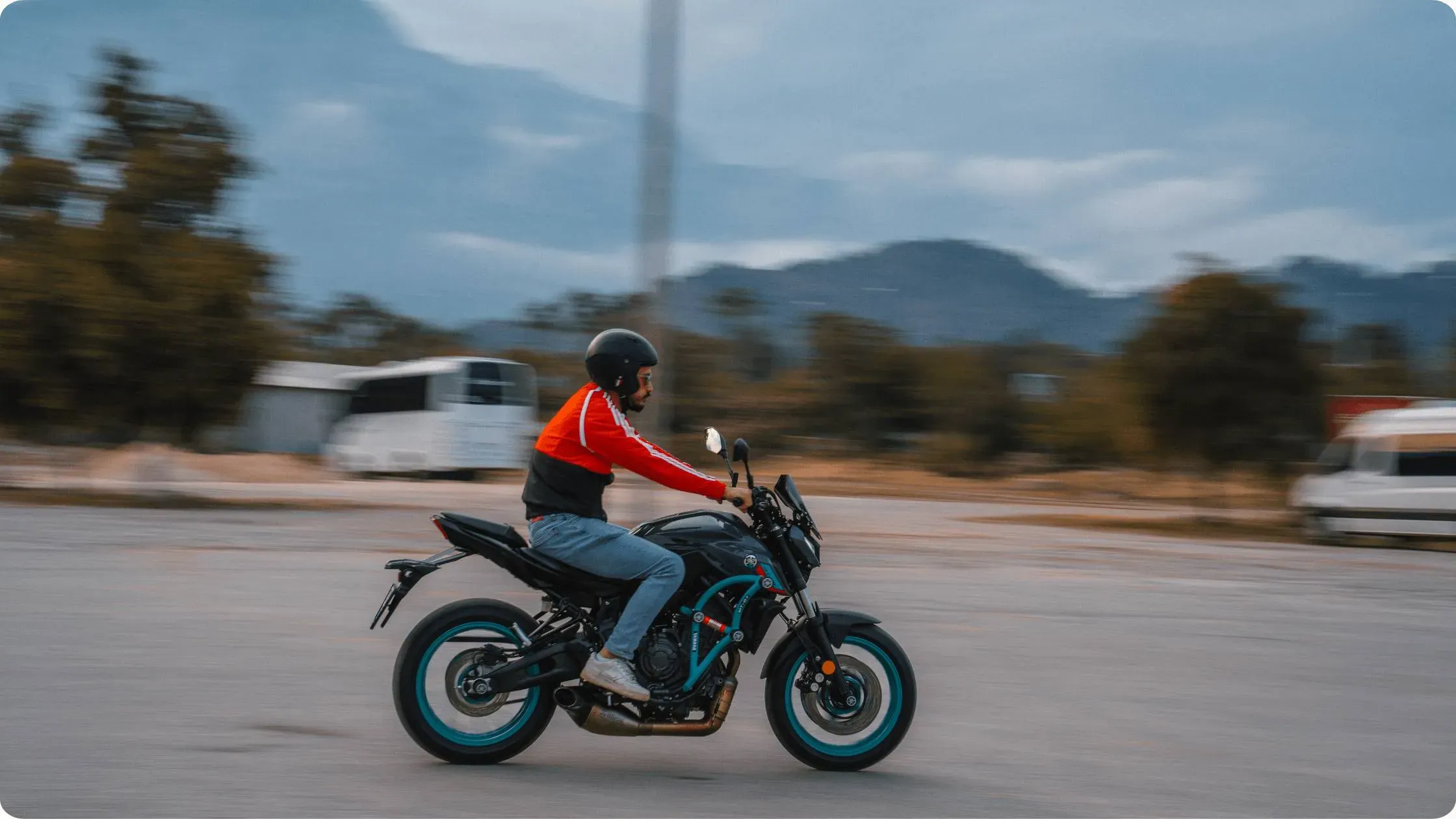
Upon entering the parcel office at any major railway station, you'll see rows of motorcycles ready for packing. Some are wrapped in jute and cardboard, with their fuel tanks emptied and mirrors secured with ropes. Owners wait nearby, filling out forms while porters sip tea, anticipating the next loading call. For many, the common question is: what are the train charges for parceling the bike, and how does the transportation process work?
Indian Railways has long been the most accessible system for two-wheeler transport by train. Students, families, and professionals use this affordable, dependable, and widespread system. However, the system has specific rules and charges that every owner needs to understand before submitting their vehicle.
Different Ways of Bike Transportation in India
At stations, people can see two clear queues — one for parcels and another for luggage. This divide reflects the two official choices for 2-wheeler transport by train.
Parcel Mode: Bikes are packed, booked separately, and sent as parcels. Owners collect them later at the destination. This option is useful when the passenger travels differently.
Luggage Mode: Bikes travel in the same train as the passengers. The motorcycle is ready to ride immediately on arrival, though the bike transportation charges by train in this mode are slightly higher.
How to Book a Bike Parcel on the Train?
At busy offices like Delhi Junction, the parcel counters stay active throughout the day. Long lines of people, from college students to army personnel, wait with their bikes.
The steps are routine but important:
- The owner approaches the counter and provides the make, model, and registration number.
- Parcel or luggage booking is selected.
- Fees are paid based on weight, train type, and distance. These are called bike parcels in train charges.
- A receipt is issued for later collection.
Before the vehicle is accepted, it must be prepared. The fuel tank is emptied, mirrors folded, and protective wrapping applied. At stations such as Chennai and Secunderabad, private packers outside the gates offer to wrap a two-wheeler in minutes for a small fee.
For shorter distances, charges remain low. A Jaipur–Ajmer booking may cost just a few hundred rupees. Longer trips—say, from Hyderabad to Kolkata—or bookings on express trains can exceed ₹1,000. Knowing how bike parcel in train charges vary helps avoid surprises.
Booking a Bike as Luggage
At railway stations, luggage vans are a familiar sight. Porters carefully push bikes up wooden planks while passengers stand by with endorsed tickets.
In this mode, the passenger’s train ticket is updated with vehicle details. The process must be completed hours before departure, since checks and inspections are mandatory. Once cleared, the bike is moved into the luggage van.
On arrival, collection is simple: show the receipt, confirm details, and roll the bike out. The bike transportation charges by train in luggage mode are higher, but the convenience is obvious. A traveller moving from Pune to Bengaluru can start using the motorcycle the same day instead of waiting for a package release.
What are the Documents Required For Bike Transport By Train?
At smaller stations, owners often rush to photocopy shops outside their premises when they realise a document is missing. To avoid this, keep the following ready for two-wheeler transport by train:
- Registration Certificate (RC).
- Valid insurance copy.
- ID proof such as Aadhaar, Passport, Voter ID, or Driving Licence.
- Pollution certificate, if asked.
- Train ticket (for luggage bookings).
What are the Bike Parcel Transport Rules Issued by Indian Rail?
Inside the parcel office at Secunderabad, a board lists the rules in clear text. These are the same across India for how to send a bike in a train:
- Parcel bookings are generally one day in advance; luggage bookings may be same-day.
- Charges depend on actual or volumetric weight, whichever is higher. Heavy motorcycles like Bullets cost more.
- Fuel must be emptied; in some cases, the battery is disconnected.
- Proper packing of mirrors, panels, and handles is compulsory.
- Late collection leads to wharfage, a penalty per hour or day.
- Premium trains such as Rajdhani or Duronto carry higher bike parcels in train charges.
- These conditions ensure safety for passengers, staff, and vehicles during transport.
Conclusion
From Chennai to Jaipur, from Guwahati to Mumbai, the story is similar. Bikes wrapped in jute, owners filling out slips, porters moving two-wheelers onto luggage vans. The Railways remain a dependable method for moving motorcycles across states.
By keeping documents ready, following the booking process, and knowing the bike transportation charges by train, the experience becomes straightforward. For added protection, two-wheeler insurance provides cover against accidental damage or loss.
If scratches appear on the side panels, insurance ensures the repair cost is reimbursed. Without coverage, the owner bears the financial burden. This safeguard makes long relocations less stressful.
This blog is intended solely for educational and informational purposes. Content reflects data at time of publication and may not accurately reflect current premiums, terms, or regulations. Readers are encouraged to confirm the accuracy and relevance of the data before making any significant decisions. SBI General Insurance disclaims responsibility for any errors or consequences arising from the use of outdated information provided herein. For more details, please refer to the policy wordings and prospectus before concluding the sales. *Add-ons are subject to payment of additional premium.
Access and manage all your Insurance Needs in one place, right at your Fingertips.



4/5*
Access and manage all your Insurance Needs in one place, right at your Fingertips.


Vision
Our vision is to become the most trusted general insurer for a transforming India.
Mission
Our mission is to provide simple and innovative general insurance solutions, be responsive to our customers' needs and build a sustainable business for the future.
We're socially active!