


 Contact Us


 Other Insurance
BS7 Emission Norms in India: Key Differences from Bharat Stage 6
Date: Sep 2, 2026 - Last Modified Sep 2, 2026


Indian roads have changed significantly over the past decade—not just in the number of vehicles, but also in the technology powering them. A major reason behind this shift has been the gradual tightening of emission regulations. The introduction of Bharat Stage 6 was a turning point, pushing automakers to build cleaner and more efficient vehicles.
As BS6 becomes the norm, discussions around the proposed BS7 emission standards are gaining momentum. Although the regulations have not yet been finalised, knowing what BS7 could mean can help you stay prepared for future changes.
What are BS7 Norms in India?
Simply put, BS7 is the proposed next generation of vehicle emission standards in India. It is expected to succeed the current Bharat Stage 6 emission norms, which came into effect in 2020, in reducing harmful pollutants from petrol and diesel vehicles.
Every stage of emission regulation has one purpose—to make vehicles cleaner than the previous generation. If introduced, BS7 is likely to tighten limits on pollutants like nitrogen oxides, carbon monoxide, hydrocarbons, and particulate matter. These changes would bring India's vehicle emission norms closer to evolving global pollution control standards.
For now, BS7 remains a proposed set of emission standards. There's been plenty of discussion within the automotive industry about what the next phase might look like, but the government hasn't officially confirmed when it will be introduced or what the final regulations will include.
Objectives of BS7 Emission Standards
When Bharat Stage 6 replaced the earlier standards, it marked one of the biggest changes the Indian automotive industry had seen in years. Manufacturers redesigned engines, upgraded exhaust systems, and invested heavily in cleaner technologies. BS7 emission standards are likely to build on that progress rather than start from scratch.
The focus of BS7 is likely to be on making vehicles cleaner and more efficient. Some of the key goals include:
Cutting down harmful exhaust emissions.
Encouraging the use of cleaner engines and emission control technologies.
Improving fuel efficiency while maintaining vehicle performance.
Aligning India's emission standards more closely with global practices.
Supporting cleaner modes of transport to help tackle rising air pollution.
The arrival of Bharat Stage 6 cars was a turning point for the industry. Carmakers responded in different ways—some upgraded their engines, some launched hybrid models, and others retired older diesel variants altogether. If BS7 is introduced, buyers could once again see manufacturers updating their vehicles to meet the new requirements.
BS7 vs BS6: Key Differences Explained
The final BS7 rules for India have not yet been published, but the proposed standards are expected to go beyond Bharat Stage 6. Rather than creating a whole new system, BS7 will likely build on and strengthen the steps already taken under BS6.
BS6 | Proposed BS7 |
Introduced a major reduction in harmful exhaust emissions | Expected to impose even stricter emission limits |
Focused on cleaner fuel and advanced exhaust treatment | Likely to improve emission control technologies further |
Introduced stricter laboratory and real driving emission tests | May include more comprehensive monitoring and compliance checks |
Required significant engine upgrades across vehicle segments | Could encourage greater use of hybrid, electric, and other low-emission technologies |
The move to Bharat Stage 6 gives us an idea of what another upgrade could mean. When BS6 became mandatory, prices rose for some models because manufacturers had to redesign engines, add diesel particulate filters, and adopt more advanced emission control systems. Even with higher upfront costs, buyers got cleaner and more efficient vehicles that produced less pollution.
A similar pattern could occur with BS7, but the exact changes will depend on the government's final rules.
Expected Impact of BS7 Norms on Vehicles
Every time emission standards become stricter, vehicle technology evolves with them. That was evident when BS6 replaced the previous norms, and a similar pattern is likely if BS7 comes into force.
Most of the changes will be under the hood, not in how cars look. Manufacturers are expected to improve engines, strengthen emission control systems, and add smarter onboard diagnostics that continuously monitor emissions.
For buyers, this could mean:
Cleaner engines with lower exhaust emissions.
Better emission monitoring technology.
Greater use of hybrid and electrified powertrains.
Improved engine management systems designed to meet future regulations.
BS7 could also push manufacturers to spend more on research and development, leading to vehicles that better balance performance, fuel efficiency, and lower emissions. Still, the exact changes will depend on the final rules set by the government.
Benefits of BS7 Norms for the Environment and Public Health
Cleaner vehicles don't just benefit individual drivers—they improve the quality of life for everyone sharing the road. By setting stricter limits on harmful pollutants, BS7 emission standards have the potential to make a meaningful difference to both the environment and public health.
Reduction in Vehicle Emissions
One of the biggest goals of BS7 is to minimise pollutants like nitrogen oxides (NOx), particulate matter (PM), hydrocarbons (HC), and carbon monoxide (CO). Lower emissions from millions of vehicles can collectively reduce the burden on the environment.
Improved Air Quality
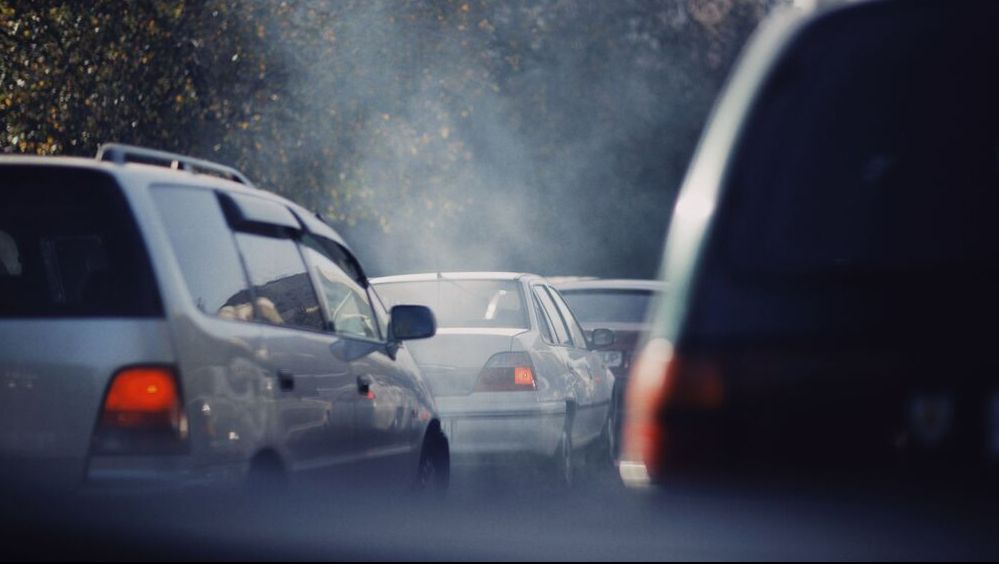
In many Indian cities, road traffic is one of the largest contributors to air pollution. Stricter vehicle emission norms in India could help improve air quality over time, particularly in densely populated urban areas with high traffic volumes.
Support for Sustainable Mobility
Building a cleaner transport system will require more than one solution. Alongside electric and hybrid vehicles, cleaner petrol and diesel engines also have an important role to play. Stricter emission norms give manufacturers another reason to keep developing technologies that reduce pollution.
How BS7 Norms May Influence Vehicle Ownership Costs
Whenever new emission standards are introduced, buyers naturally wonder how they'll affect their budget. The transition to BS6 offers a useful reference point, as many vehicles became more expensive due to upgrades in engine and emission control technology.
A similar trend may be seen with BS7, although the extent of the impact will depend on the final regulations and the technologies manufacturers choose to adopt.
Impact on Vehicle Prices
Developing cleaner engines and advanced emission systems requires significant investment. Part of this cost may be reflected in the price of new vehicles, just as it was during the rollout of BS6.
Changes in Maintenance Requirements
Vehicles with advanced emission control systems may need special servicing and parts recommended by the manufacturer. Sticking to the suggested maintenance schedule will be even more important to keep everything working well.
Effect on Fuel Efficiency and Technology
Modern engines are made to cut emissions without losing performance. Depending on the model, buyers might also get better fuel efficiency, smarter engine tuning, and a smoother driving experience.
Besides these costs, it's also important to consider regular expenses like servicing, motor insurance, and timely car insurance renewal. Choosing the right coverage can help protect your investment for as long as you own the vehicle.
How Automakers are Preparing for BS7 Compliance
Although the BS7 regulations in India haven't been finalised, manufacturers aren't waiting for the official announcement to begin planning. Developing a new engine or upgrading an existing one takes years, which is why many companies have already started investing in technologies that can meet stricter emission standards in the future.
Even before BS7 is officially introduced, many automakers have started investing in technologies that could help them meet stricter emission standards. Their efforts are largely focused on:
Improving engine efficiency to reduce emissions.
Strengthening exhaust treatment systems.
Expanding hybrid and electric vehicle options.
Making onboard diagnostic systems more capable.
Supporting cleaner manufacturing through research and testing.
The experience gained during the transition to Bharat Stage 6 has made the industry better prepared for future regulatory changes. Many manufacturers now have stronger research capabilities and more advanced production processes, allowing them to adapt more efficiently when new standards are introduced.
For buyers, this means you can get vehicles with cleaner and more advanced technology. As cars become more high-tech, it's a good idea to review your third-party insurance or consider comprehensive coverage to make sure your car insurance matches your vehicle's value and features.
Conclusion
Stricter emission standards have played an important role in making vehicles cleaner and more efficient, and BS7 is likely to continue that journey. While the final rollout schedule and technical requirements are still awaited, staying informed can help you make better decisions when buying or maintaining a vehicle.
Once you've chosen a vehicle that meets the latest emission standards, a car insurance policy from SBI General Insurance can help protect it against covered risks while offering dependable customer support, a smooth claims process, 9,277+ network garages, and services across 140+ locations.
FAQs
What are BS7 emission norms in India?
Think of BS7 as the next step in India's efforts to make vehicles cleaner. The proposed standards are likely to place stricter limits on emissions while encouraging automakers to adopt newer engine technologies and better emission control systems.
When will BS7 norms be implemented in India?
The government has not yet confirmed when BS7 will be introduced. Details such as the implementation schedule and compliance requirements will only be finalised after the necessary regulatory notifications are issued.
How are BS7 norms different from BS6 norms?
Think of BS7 as the next stage after Bharat Stage 6. While BS6 focused on cutting vehicle emissions, BS7 is likely to raise the benchmark further with tighter emission limits and updated testing methods. The final specifications are still awaited.
What impact will BS7 regulations have on vehicle owners?
A move to BS7 would likely mean cleaner vehicles equipped with more advanced engine technology. While these improvements offer environmental benefits, they could also have an impact on the cost of buying, servicing, and maintaining a vehicle.
Will BS7 norms increase vehicle prices in India?
If BS7 is rolled out, some new vehicles could become more expensive because of the engineering and technology needed to meet stricter standards. The actual increase, however, is likely to vary depending on the final rules and the manufacturer's approach.
This blog is intended solely for educational and informational purposes. Content reflects data at time of publication and may not accurately reflect current premiums, terms, or regulations. Readers are encouraged to confirm the accuracy and relevance of the data before making any significant decisions. SBI General Insurance disclaims responsibility for any errors or consequences arising from the use of outdated information provided herein. For more details, please refer to the policy wordings and prospectus before concluding the sales. *Add-ons are subject to payment of additional premium.
Access and manage all your Insurance Needs in one place, right at your Fingertips.




4/5*
Access and manage all your Insurance Needs in one place, right at your Fingertips.



Vision
Our vision is to become the most trusted general insurer for a transforming India.
Mission
Our mission is to provide simple and innovative general insurance solutions, be responsive to our customers' needs and build a sustainable business for the future.
We're socially active!