


 Contact Us


 Other Insurance
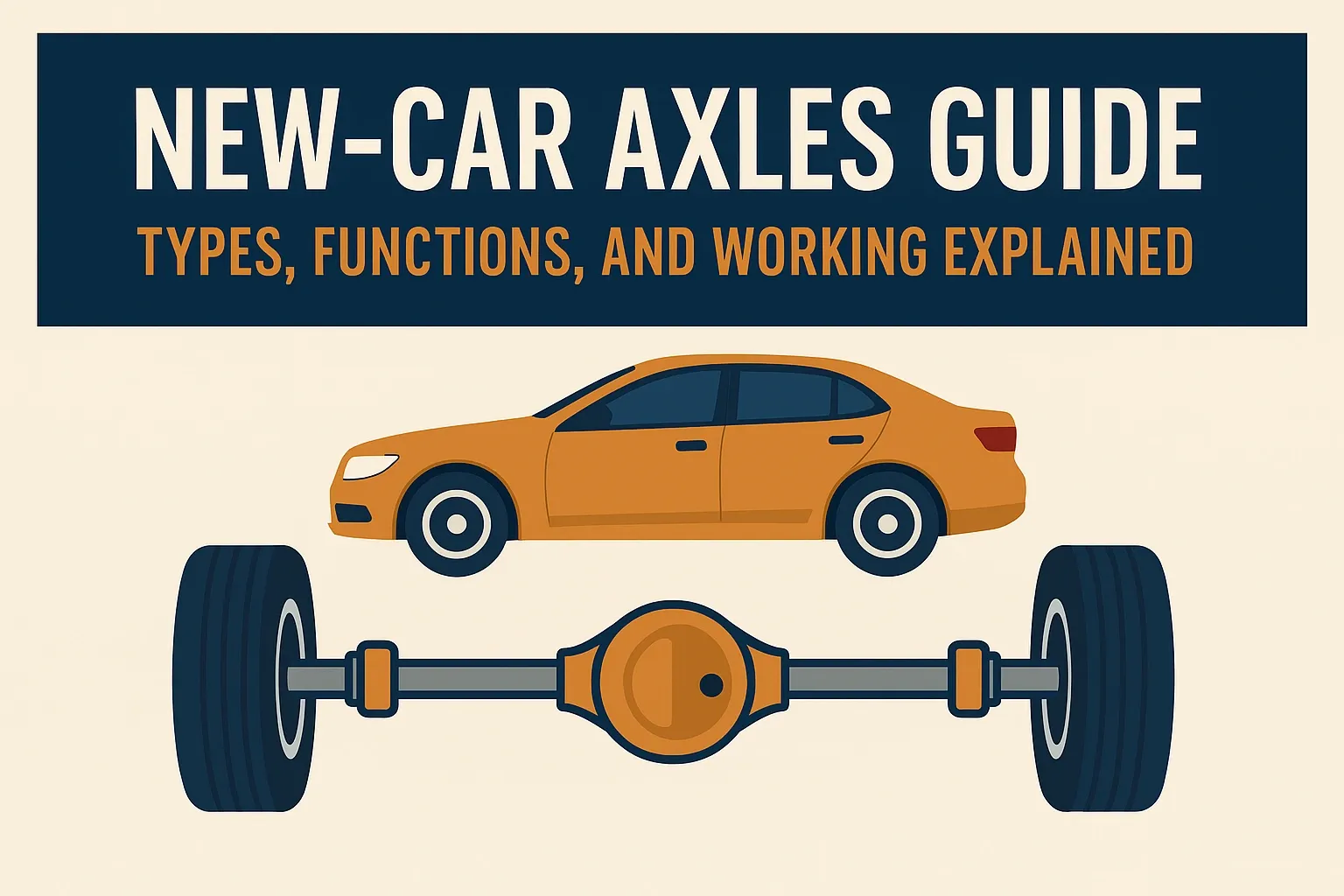
Car Axles Guide: Types, Functions, and Working Explained
Date: May 21, 2026 - Last Modified May 21, 2026


A car is made up of several parts that work together to help it move smoothly and stay balanced. One of the most important components is the axle, which supports the wheels and helps the vehicle function properly. Understanding the role of car axles can make it easier to know how a vehicle operates and what helps maintain its stability and performance.
In this article, we will understand the different types of car axles, their functions, and how they help a vehicle move smoothly and maintain stability.
Why Are Car Axles Important?
Axles are key to moving the wheels, keeping the car balanced, and spreading out the weight evenly. If the axles aren’t working right, driving can get tough. Good car axles help the tyres and suspension work together. When you look after your axles, the car stays steady when you turn, brake, or drive on any road.
Regular checks make driving more comfortable and help your car last longer. Along with proper vehicle care, having suitable car insurance can help vehicle owners stay financially protected against unforeseen road-related situations.
How Many Axles Does a Car Have?
Most cars use a simple axle setup that keeps the car balanced and connects the wheels. The number of axles a car has depends on its type and purpose. Let’s have a look:
Two-Axle Setup
Most regular cars have two axles—one at the front and one at the back. These car axles support the wheels and help distribute the car’s weight, making it easier to handle and keeping the ride steady.
Extra Axles
Heavy vehicles such as trucks and buses may have more than two axles. Additional axles help support heavier loads and improve balance during transportation. In larger vehicles, these car axles also help manage load distribution more effectively and support better road stability over long distances.
How Drive Type Affects Axle Setup
A car’s axle setup depends largely on its drive system. Different drive types distribute engine power to the wheels in different ways, which affects how the axles function and how the vehicle performs on the road.
The axle arrangement plays an important role in maintaining balance, traction, and driving stability across different road conditions.
Front-Wheel Drive (FWD)
In front-wheel drive cars, the engine sends power to the front wheels. The front axle handles both steering and power delivery, while the rear axle mainly supports the vehicle’s weight.
Rear-Wheel Drive (RWD)
In rear-wheel drive vehicles, power is delivered to the rear wheels through the rear axle. The front wheels mainly help with steering, while the rear axle supports acceleration and load handling.
All-Wheel Drive (AWD) and Four-Wheel Drive (4WD)
In AWD and 4WD vehicles, power is distributed to all four wheels. Both front and rear axles work together to improve traction, control, and stability, especially on uneven roads or challenging driving surfaces.
Common Types of Car Axles
Cars use different types of car axles depending on their design, weight distribution, and driving requirements. Each axle performs a specific mechanical function within the vehicle.
Front Axle
The front axle is positioned at the front of the vehicle and mainly supports steering and shock absorption during driving.
Rear Axle
The rear axle helps transfer power to the driving wheels in many vehicles while also supporting vehicle weight and balance.
Stub Axle
Stub car axles connect the front wheels and support wheel movement during steering.
Live Axle and Dead Axle
- Live axles transfer engine power to the wheels.
- Dead axles support vehicle weight but do not transmit power.
The type of axle used varies depending on the vehicle’s structure and performance requirements.
Functions of an Axle in a Car
Car axles perform several important functions in a vehicle. They help it move, spread out the weight, keep the wheels lined up, and make driving steadier.
Here are some of their key functions:
Power Transfer from Engine to Wheels
Car axles help transfer power from the engine to the wheels, allowing the vehicle to move smoothly during acceleration and driving. In rear-wheel and all-wheel drive vehicles, axles work with drivetrain components to support continuous wheel movement.
Vehicle Weight Support
Axles support the weight of the vehicle, passengers, and luggage. They help distribute weight evenly across the wheels, contributing to better balance, stability, and smoother driving.
Maintaining Stability and Wheel Alignment
Car axles help keep the wheels properly aligned, which supports stable handling and reduces uneven tyre wear. Proper alignment also improves steering control during turns and straight-line driving.
Steering and Suspension Support
The front axle works with the steering and suspension systems to support smoother handling and driving comfort. It also helps absorb road shocks and improves control on uneven roads.
How to Choose the Right Axle for Your Car
Choosing the right axle is important for vehicle performance, load handling, and driving stability. The axle type used in a vehicle should match its drivetrain system, suspension setup, and overall driving requirements.
Here are some important factors to consider while selecting car axles:
- Vehicle type and load capacity
- Compatibility with the drivetrain system
- Suspension and wheel alignment requirements
- Driving conditions and usage patterns
- Manufacturer-recommended axle specifications
Understanding how car axles work can also help vehicle owners make informed decisions while replacing or upgrading axle components.
Maintaining proper vehicle care along with an active motor insurance coverage can support overall vehicle management and long-term performance.
Additionally, having valid third-party insurance is also important for complying with vehicle insurance requirements and supporting financial preparedness during road-related situations.
Conclusion
Axles are an important part of every vehicle. They help support smooth movement, balance, and overall driving stability. Understanding how axles work and maintaining them regularly can contribute to safer and more efficient driving across different road conditions.
SBI General Insurance offers motor insurance solutions designed to support vehicle owners with reliable coverage, digital services, and financial protection on the road.
Frequently Asked Questions
1. How much does car axle repair usually cost?
Car axle repair cost depends on vehicle type, axle condition, and replacement requirements. Service charges and parts used may also influence the overall repair expense.
2. Can bad roads damage car axles over time?
Continuous driving on uneven or damaged roads may affect axle condition over time. Regular inspection helps maintain axle performance and overall vehicle stability during driving.
3. Does overloading a car affect axle performance?
Excess vehicle load can place additional pressure on axle systems. Maintaining recommended load limits helps support balanced performance and smooth functioning of vehicle components.
4. Are axle problems common in older cars?
Older vehicles may experience axle wear due to long-term usage and road conditions. Regular servicing and inspection help maintain proper axle function and driving stability.
5. How is axle damage diagnosed during servicing?
Technicians inspect wheel alignment, suspension movement, unusual sounds, and visible axle condition during servicing. These checks help identify possible axle-related issues in the vehicle.
6. Can wheel alignment issues indicate axle problems
Wheel alignment changes may sometimes be linked to axle condition. Proper inspection helps determine whether the issue is related to alignment settings or axle performance.
7. Do electric cars use different axle systems?
Electric vehicles may use modified axle systems designed to support electric drivetrains and battery placement. The basic purpose of axle support and wheel movement remains similar.
This blog is intended solely for educational and informational purposes. Content reflects data at time of publication and may not accurately reflect current premiums, terms, or regulations. Readers are encouraged to confirm the accuracy and relevance of the data before making any significant decisions. SBI General Insurance disclaims responsibility for any errors or consequences arising from the use of outdated information provided herein. For more details, please refer to the policy wordings and prospectus before concluding the sales. *Add-ons are subject to payment of additional premium.
Access and manage all your Insurance Needs in one place, right at your Fingertips.




4/5*
Access and manage all your Insurance Needs in one place, right at your Fingertips.



Vision
Our vision is to become the most trusted general insurer for a transforming India.
Mission
Our mission is to provide simple and innovative general insurance solutions, be responsive to our customers' needs and build a sustainable business for the future.
We're socially active!