


 Contact Us


 Other Insurance
Difference Between Car Trunk and Boot
Date: May 21, 2026 - Last Modified May 21, 2026


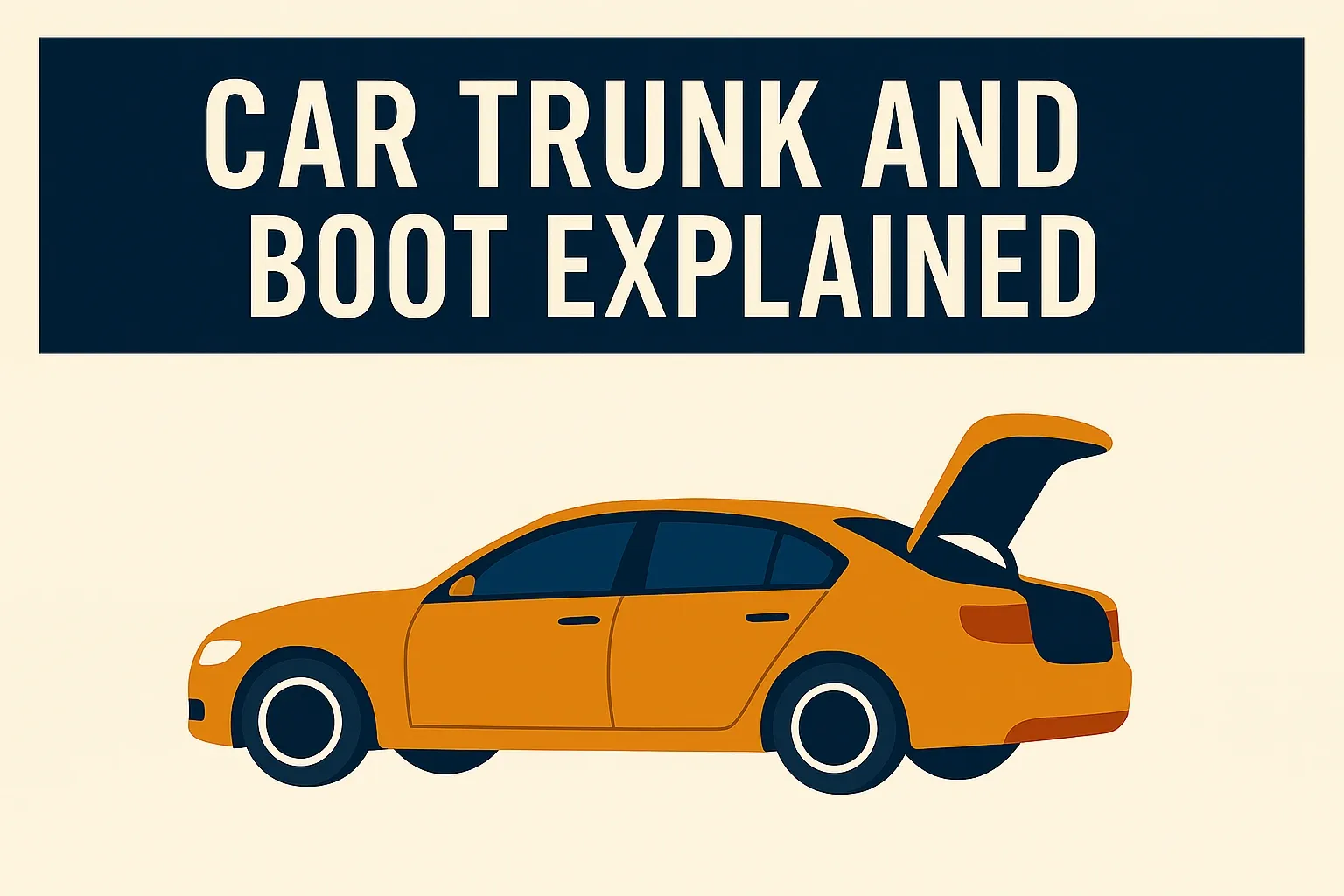
Although ‘car trunk’ and ‘car boot’ are often used interchangeably, the difference mainly comes from regional language preferences. ‘Trunk’ is commonly used in American English, whereas ‘boot’ is the standard term in British English. Both refer to the rear storage compartment of a car, which is also popularly called a dikki or dickey in India.
Differences Between Car Trunk and Car Boot
Although both terms refer to the same part of a vehicle, the car trunk vs boot comparison mainly comes down to regional usage and vehicle design preferences. American cars often use the term ‘trunk’, while European and British vehicles commonly use ‘boot’.
In some cases, American car trunks may be larger and designed to accommodate luggage and tools, whereas European boots are often more compact and suited for everyday storage needs. However, the trunk and boot difference in car terminology is generally minor, as both refer to the rear storage compartment of a vehicle.
History of the Car Trunk or Car Boot
The trunk and boot difference in a car partly extends to the origin of the terms. Their histories are as follows:
Car Trunk
The term originated in the United States of America in the late 19th or early 20th century. This was when automobiles were not very enclosed. Luggage was therefore stored at the back of the vehicle in a separate, external compartment, often known as a travel trunk or chest.
Car Boot
The term ‘boot’ originated in England and was commonly used for the luggage compartment in horse-drawn carriages. Over time, the term continued to be used for the rear storage space in cars in British English.
Key Benefits of a Car Trunk or Boot
Understanding different car features and storage designs can help vehicle owners assess practicality, comfort, and travel needs more effectively. These factors may also play a role in choosing suitable motor insurance coverage for the vehicle.
Some of the common benefits of a car trunk and car boot include:
Safety
A car trunk or boot can improve safety by keeping luggage and heavy items securely stored during travel. Many vehicles also include locking mechanisms that help protect belongings and reduce the risk of items shifting inside the car during sudden braking or accidents.
Storage
A car trunk or boot provides additional storage space for luggage, travel bags, groceries, and other everyday essentials, making daily travel and long journeys more convenient.
Balance
A car trunk and car boot can help distribute luggage weight more evenly within the vehicle, which may support better balance and stability during travel. Properly storing heavy items can also contribute to a safer and more comfortable driving experience.
Efficiency
A car trunk or boot can make road trips and weekend travel more convenient by providing space to carry luggage, travel essentials, sports equipment, and other bulky items with ease.
Comfort
Designating a space helps keep luggage separate from the passenger cabin, thereby maintaining a cleaner, more comfortable environment.
In addition to vehicle safety features, choosing suitable third-party insurance can help vehicle owners stay financially prepared for unexpected situations.
Why Car Trunks and Boots Matter for Car Insurance?
While car trunk and car boot refer to the same part of a vehicle, understanding vehicle components can help car owners describe damage more clearly during the insurance claim process.
Proper documentation of damage to different parts of the car, including the trunk or boot area, can support smoother claim assessment and processing. In addition, damage to the rear portion of the vehicle may sometimes involve repair or replacement costs, making suitable motor insurance coverage important for overall financial protection.
Choosing car insurance from SBI General Insurance can help ensure a smooth claim process and quality assistance.
How to Maintain Your Car Trunk or Car Boot?
To ensure long-term use, the following car boot maintenance tips can be considered:
- Clean the trunk, eliminating dust, wiping away stains, and vacuuming the interior to prevent smells from lingering or mould from growing.
- After rain or a car wash, ensure that there is no water inside the boot. If leaks are found, fix them promptly.
- Ensure you do not over-crowd the trunk, as excess weight can damage its hinges and locks.
- Check the condition of the weather seals as they help keep out insects, dust and water.
- If you frequently use the boot, place a mat or a liner to avoid the surface from getting scratched.
- Ensure that when placing heavy items in the boot, you use straps or a cover that prevents their movement and consequent damage.
Conclusion
Though the terms trunk and boot differ by region, both refer to the same car storage compartment. Understanding their features, maintenance needs, and role in insurance claims can help vehicle owners improve convenience, safety, and overall car care.
SBI General Insurance offers motor insurance solutions designed to support vehicle owners with financial protection, digital claim assistance, and a seamless policy experience.
Frequently Asked Questions
1. Which cars in India offer the largest boot space?
Many types of cars in India have large boot spaces. Sedans, SUVs and MPVs are the leading types in this category.
2. Can boot space be increased in hatchback cars?
Yes. Hatchback cars often have foldable rear seats that help create additional luggage space when required.
3. Does boot size affect car resale value?
Yes. Cars with larger, practical boot spaces may attract more buyers, thereby positively influencing resale value.
4. Are electric cars designed with front trunks (frunks)?
Yes. Some electric cars feature front trunks or ‘frunks’ as they do not need the traditional layout of a front engine.
5. What is the difference between a tailgate and a boot lid?
A boot lid covers the luggage compartment in sedans, while a tailgate is a rear door commonly found in hatchbacks and SUVs.
6. Do compact SUVs offer more boot space than sedans?
Compact SUVs often have flexible and taller storage spaces. However, the type of car with the most boot space depends on the model.
7. How is boot space measured in cars?
Boot space is usually measured in litres. This measurement indicates the total volume available for luggage and storage inside the compartment.
This blog is intended solely for educational and informational purposes. Content reflects data at time of publication and may not accurately reflect current premiums, terms, or regulations. Readers are encouraged to confirm the accuracy and relevance of the data before making any significant decisions. SBI General Insurance disclaims responsibility for any errors or consequences arising from the use of outdated information provided herein. For more details, please refer to the policy wordings and prospectus before concluding the sales. *Add-ons are subject to payment of additional premium.
Access and manage all your Insurance Needs in one place, right at your Fingertips.




4/5*
Access and manage all your Insurance Needs in one place, right at your Fingertips.



Vision
Our vision is to become the most trusted general insurer for a transforming India.
Mission
Our mission is to provide simple and innovative general insurance solutions, be responsive to our customers' needs and build a sustainable business for the future.
We're socially active!