


Install our App to get easy Access toBuy, Link, Renew, Claim and More
GetCheck Chassis Number, VIN and Engine Number of Your Car
Dec 11, 2025


A vehicle carries several identification marks that stay with it throughout its life. These numbers keep the records straight for registration, resale and claim handling. A regular chassis number check helps confirm that the details in official papers match the vehicle on the road. Since every model has its set of markings, knowing where to locate them saves unnecessary delays later.
What is a Chassis Number?
A chassis number stands as the permanent identification code of a car. It is also the formal vehicle chassis number, which stays fixed from the day the manufacturer completes the model. Registration offices and insurers follow this code to update their files. The number normally appears on the frame or parts that do not change during usual repairs. This prevents confusion when ownership changes or policies shift from one insurer to another.
How to Obtain a Car’s VIN Number?
Most owners hear the question, ‘What is vin number in a car?', and the simple answer is that the VIN is the same identification code used by manufacturers and the RTO. Car makers put it in multiple places so it can be verified even if parts are replaced or painted.
Registration Certificate
The RTO prints the VIN on the registration certificate during the first registration.
Dashboard
Some vehicles display the VIN near the lower corner of the windscreen on the driver's side.
Door
A metal strip fixed on the driver's side door pillar carries the VIN in many models.
Hood
Inside the engine bay, the number may be stamped on a fixed metal part.
Boot
In a few models, the VIN lies under the spare wheel tray inside the boot.
Rear Wheel
To do a chassis number check, look close to the rear wheel arch, though it may not always be obvious.
Car Dealership
Dealerships maintain delivery records and can verify the VIN from the sale documents.
Insurance Policy Document
The policy document usually lists the VIN to avoid any errors during claim assessment.
Front Grille
Certain vehicles have the number printed under the front grille, but not all follow this practice.
Decode VIN Number
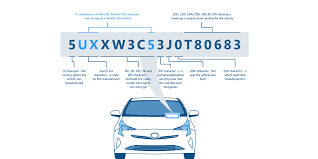
The VIN is a 17-character sequence that carries more detail than most owners expect. The first digit shows the manufacturing country, followed by digits that point to the manufacturer. From the fourth to the eighth character, one can trace the model, engine type and other specifications. The ninth character of the chassis number checks as a security verification. The tenth character indicates the year of manufacture, while the eleventh character represents the factory plant. The final six characters work as the production serial number. Makers may follow slight variations, yet this explanation fits most current vehicles.
Benefits of VIN Number
● Helps confirm the identity of the vehicle
● Supports checks during the purchase of a used model
● Provides reference for insurers
● Assists in tracking theft cases
● Carries technical details needed for service
● Helps authorities match registration data
Where Can I Find the Engine Number of My Car?
The engine number and the chassis number are different, and each one serves its own record. While learning how to check the chassis number, many owners also need the engine number, especially when a policy is renewed or replaced.
Engine
Manufacturers stamp the engine number on the main engine casing. The marking is usually visible after opening the hood.
Registration Certificate
The RTO records the engine number along with the VIN on the certificate.
Insurance Policy Document
The insurer includes the engine and chassis number check for claim verification.
Car Dealership
Dealerships maintain engine details linked to each delivery.
Owner’s Manual
The manual mentions the exact position of the engine number for the specific model.
How to Get Your Vehicle Details Online?
VAHAN, the official government database, keeps registration records from RTOs around the country. By entering the registration number and completing the verification code, basic details appear. For privacy, some parts of the chassis and engine numbers remain hidden, yet sufficient information is visible to verify the correct match.
Conclusion
Accurate identification forms the base of safe vehicle ownership. A chassis number check, VIN, and engine number information ensure that the records remain clear for registration, policy checks, and legal references. It's essential to maintain third-party car insurance as mandated by the Motor Vehicles Act for legal and financial protection.
Frequently Asked Questions
What is the 17-digit chassis number?
It is the standard identification code assigned by the manufacturer to each vehicle.
What are the last five digits of the vehicle chassis number?
These digits form the unique serial number within the production line.
Are the VIN and Chassis Number of the car the same?
Yes. Both terms refer to the same identification code used for all official records.
This blog is intended solely for educational and informational purposes. Content reflects data at time of publication and may not accurately reflect current premiums, terms, or regulations. Readers are encouraged to confirm the accuracy and relevance of the data before making any significant decisions. SBI General Insurance disclaims responsibility for any errors or consequences arising from the use of outdated information provided herein. For more details, please refer to the policy wordings and prospectus before concluding the sales. *Add-ons are subject to payment of additional premium.
Access and manage all your Insurance Needs in one place, right at your Fingertips.


4/5*
Access and manage all your Insurance Needs in one place, right at your Fingertips.


Vision
Our vision is to become the most trusted general insurer for a transforming India.
Mission
Our mission is to provide simple and innovative general insurance solutions, be responsive to our customers' needs and build a sustainable business for the future.
We're socially active!


