


 Contact Us


 Other Insurance
Do You Need Proof for Section 126 (Earlier 80D) Medical Expense Claims?

Date: Sep 26, 2024 - Last Modified May 22, 2026


Along with helping manage healthcare costs, health insurance can also offer tax benefits on premiums and eligible medical expenses. However, to claim these deductions successfully, taxpayers should maintain proper proof and supporting documents.
Under the Income Tax Act, 2025, effective from 1 April 2026, Section 126 governs deductions related to health insurance and medical expenses, replacing Section 80D of the Income-tax Act, 1961, for applicable financial years. Whether you are claiming Section 126 deductions for yourself, your family or your parents, keeping documents such as premium payment receipts, medical bills, preventive health check-up invoices and policy papers organised can help make the tax filing process smoother and support your claim if verification is required.
What is Section 126 of the Income Tax Act, 2025?
Section 126 of the Income Tax Act, 2025, deals with deductions related to health insurance and specified medical expenses. It allows eligible individuals and Hindu Undivided Families (HUFs) to claim tax deductions on certain healthcare-related expenses paid during the relevant financial year, subject to the prescribed terms and conditions.
Section 126 deductions generally include:
Health insurance premiums paid for self, spouse, dependent children and parents.
Contributions made towards the Central Government Health Scheme (CGHS) or other government-notified healthcare schemes.
Expenses incurred for preventive health check-ups.
Medical expenses incurred for senior citizens who do not have an active health insurance policy.
One important point to note is that deductions claimed under Section 126 are separate from deductions available under Section 123. This means eligible taxpayers may still claim deductions under Section 126 even after fully utilising the ₹1.5 lakh deduction limit available under Section 123, subject to applicable tax laws and deduction limits.
Medical Expenses for Deduction Under Section 126
Paying premiums for health insurance plans can result in significant tax deductions under Section 126, earlier known as Section 80D of the Income Tax Act. This is how the deductibles are broken down:
Health Insurance Premium
Taxpayers may claim deductions on health insurance premiums paid during the relevant financial year, provided the payment is made through eligible non-cash payment methods as specified under applicable tax provisions. The deduction amount is generally based on the actual premium paid during the tax year.
Preventive Health Check-Up
Expenses incurred towards preventive health check-ups may qualify for deductions up to ₹5,000 in a financial year. This limit generally remains the same irrespective of the age of the insured individuals or the actual check-up expenses incurred.
Medical Expenses for Senior Citizens
Under the current provisions of Section 126, taxpayers may also claim deductions of up to ₹50,000 for eligible medical expenses incurred for senior citizens during a tax year, subject to applicable conditions. These conditions generally include:
- The individual should qualify as a senior citizen, typically aged 60 years or above.
- The senior citizen should not be covered under an active health insurance policy during the relevant financial year.
Also Read: How Senior Citizens Can Save Tax with Medical Bills u/s 126 D?
Is Proof Required for Section 126 Claims?
Yes, maintaining proof of payment and supporting documents is important while claiming deductions under Section 126. In cases involving Section 126 medical bills senior citizen proof, taxpayers may need to provide documents such as premium receipts, medical bills, preventive health check-up invoices and policy documents during verification or assessment procedures. Keeping these records organised can help make the tax filing process smoother and support successful deduction claims under applicable tax provisions.
To support a Section 126 claim, individuals should keep records such as:
Health insurance premium payment receipts
Copy of the health insurance policy document
Preventive health check-up bills and invoices
Medical bills and treatment-related receipts eligible for deduction
Bank statements or payment proofs for eligible non-cash transactions
Keeping these documents organised can help make the tax filing and verification process smoother and reduce the chances of claim-related issues later.
How to Claim Section 126 Deduction While Filing ITR
Step 1: Purchase an eligible health insurance policy
Buy a health insurance policy covering yourself, your family or your parents. Deductions under Section 126 are available only if eligible healthcare expenses, such as insurance premiums or preventive health check-up costs, are incurred during the financial year.
Step 2: Make payments through eligible payment modes
Health insurance premium payments should generally be made through approved non-cash payment methods to qualify for deductions. However, cash payments may be allowed for preventive health check-ups, subject to applicable limits.
Step 3: Keep supporting documents ready
Maintain records such as premium payment receipts, policy documents, preventive health check-up bills and eligible medical expense invoices for future verification or tax assessment purposes.
Step 4: Claim the deduction while filing ITR
While filing your Income Tax Return (ITR), report the eligible deduction amount under Section 126 in the applicable section of the tax return form. Deductions are generally available subject to the applicable tax regime and prevailing tax laws.
Conclusion
In addition to providing financial protection for you and your family, Section 126 health insurance deductions may also help reduce taxable income while supporting healthcare planning. Understanding the benefits and applicable provisions of Section 126 can help individuals make better financial and healthcare decisions, especially when choosing health insurance for senior citizens or maximising deductions available on family health insurance premiums.
Individuals looking for comprehensive health insurance coverage and potential tax benefits under Section 126 can explore suitable healthcare plans with SBI General Insurance based on their medical and financial needs.
Note: Tax benefits are subject to change in tax laws as well as terms and conditions. Taxpayers are advised to consult a licensed financial expert before proceeding with financial decisions.
1. Can I claim Section 126 deductions for my parents’ health insurance?
Yes, eligible taxpayers may claim deductions under Section 126 for health insurance premiums paid for their parents, subject to applicable deduction limits and tax provisions.
2. Is Section 126 available for both salaried and self-employed individuals?
Yes, Section 126 deductions may generally be claimed by both salaried and self-employed individuals, provided they meet the applicable eligibility conditions.
3. Can I claim Section 126 deductions for preventive health check-ups?
Yes, preventive health check-up expenses may qualify for deductions under Section 126 up to the prescribed limit under prevailing tax provisions.
4. Are medical expenses without health insurance covered under Section 126?
Senior citizens without an active health insurance policy may claim deductions for eligible medical expenses, subject to applicable conditions and deduction limits.
5. What documents are required to claim deductions under Section 126?
Taxpayers should generally maintain documents such as premium payment receipts, policy documents, preventive health check-up bills and eligible medical expense invoices for verification purposes.
This blog is intended solely for educational and informational purposes. Content reflects data at time of publication and may not accurately reflect current premiums, terms, or regulations. Readers are encouraged to confirm the accuracy and relevance of the data before making any significant decisions. SBI General Insurance disclaims responsibility for any errors or consequences arising from the use of outdated information provided herein. For more details, please refer to the policy wordings and prospectus before concluding the sales. *Add-ons are subject to payment of additional premium.
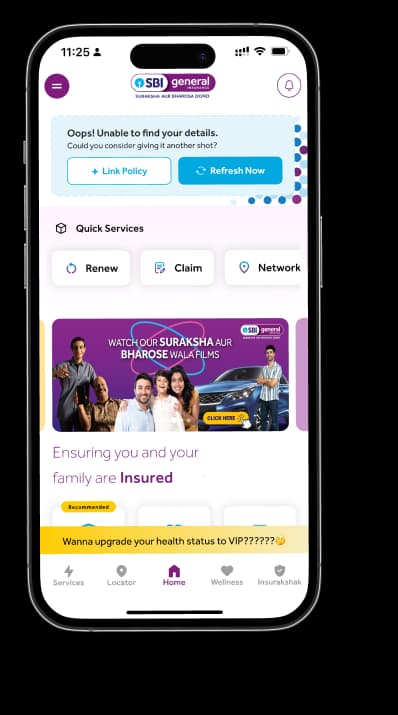
Access and manage all your Insurance Needs in one place, right at your Fingertips.



4/5*
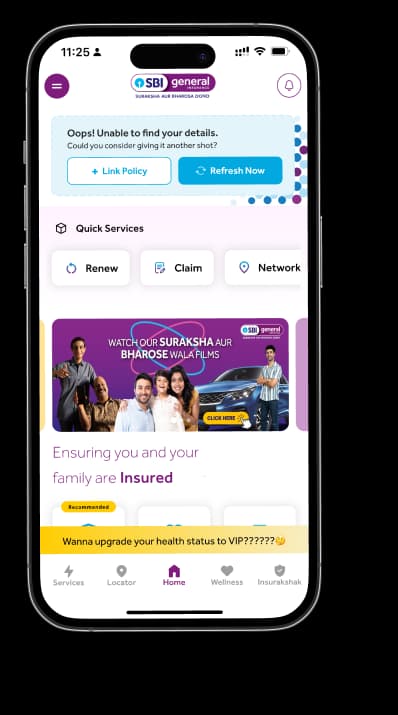
Access and manage all your Insurance Needs in one place, right at your Fingertips.


Vision
Our vision is to become the most trusted general insurer for a transforming India.
Mission
Our mission is to provide simple and innovative general insurance solutions, be responsive to our customers' needs and build a sustainable business for the future.
We're socially active!