


 Contact Us


 Other Insurance
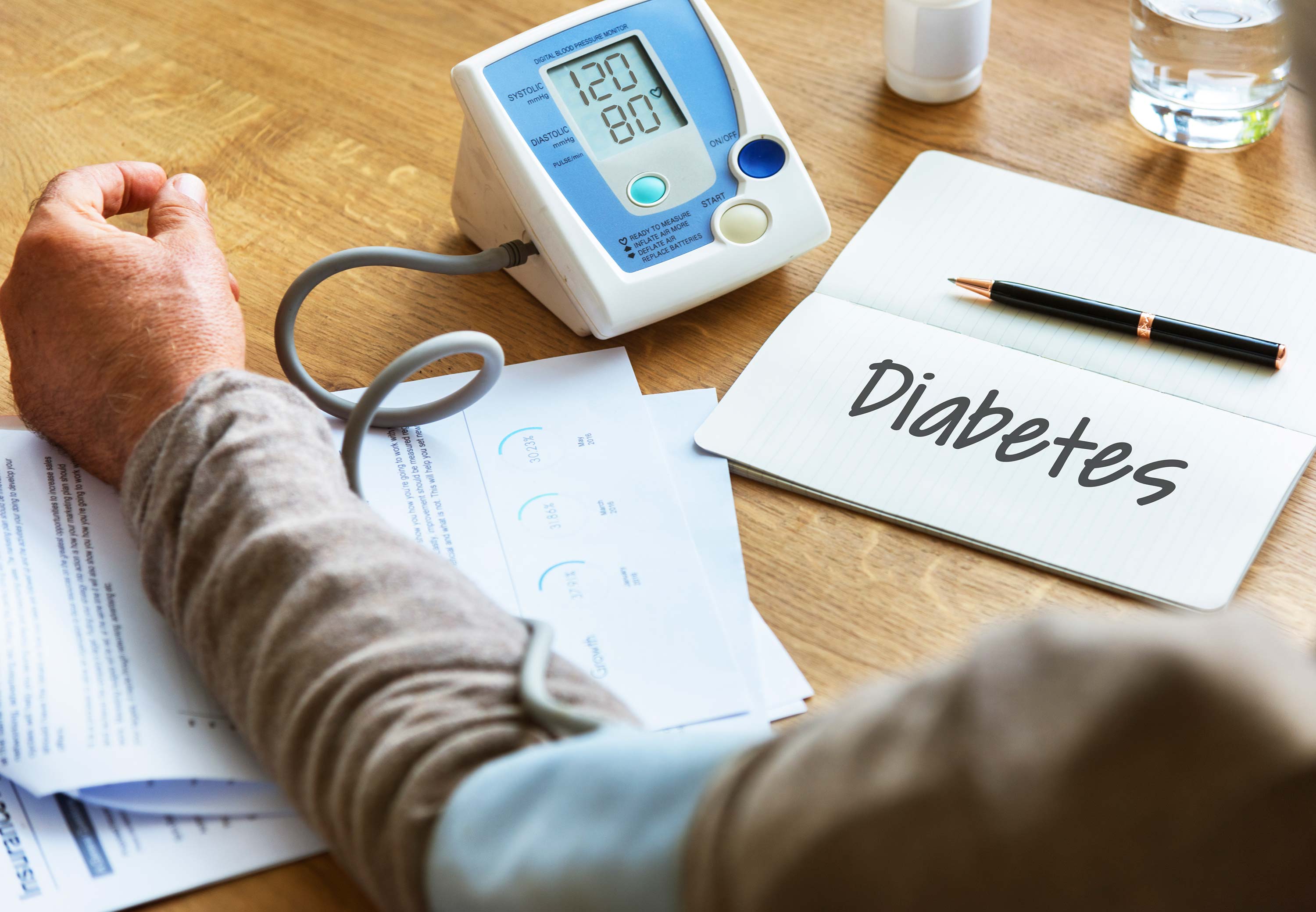
Health Insurance for Diabetes Patients
Date: Feb 11, 2022 - Last Modified Mar 24, 2026


Diabetes Mellitus, commonly referred to as diabetes, is a metabolic disorder affecting your blood sugar levels. Your food gets broken down into sugar, and insulin – a hormone produced in your pancreas, converts this sugar into energy.
Being diagnosed with diabetes, type 1, type 2, or gestational, means that the insulin fails to carry out its sugar-to-energy function. Research shows that over 77 million Indians are affected by diabetes. Let‘s look a bit more closely at the main types of diabetes and how health insurance covers this chronic disease
Type 1 Diabetes:In this type, the pancreas fails to produce enough insulin. Therefore, for type 1 diabetes, you must manage your insulin levels with regular injections
Type 2 Diabetes:Here, your cells refuse to respond to insulin, like how they would otherwise. You can keep type 2 diabetes in check with proper diet, exercise, oral medication, and resorting to artificial insulin in some cases.
Gestational Diabetes:This type is usually diagnosed for the first time during pregnancy. Like Type 1 and Type 2, gestational diabetes causes a rise in your blood sugar levels, affecting pregnancy and the baby‘s health.
If not managed correctly, diabetes leads to numerous long–term health complications such as cardiovascular diseases, chronic kidney diseases, foot ulcers, nerve damage, and cognitive impairment, among other health problems
Health insurance for people with diabetes
Taking appropriate measures to keep your health in check is not an event you can delay, whatever the cost. Since there is no cure for diabetes, all you can do is keep it in check. However, at times, diabetes may cause severe health conditions that require hospitalization and surgeries, and you need an insurance policy that will take care of this expensive affair. Most health insurance companies offer policies that cover diabetes-related hospitalization expenses.
Individuals with pre-existing conditions, i.e., conditions prevailing before the purchase of the policy, are eligible for health insurance as well. Diabetes is a common pre-existing conditions. Other examples include high blood pressure and asthma.
Costs covered under health insurance for diabetic patients
There are many costs involved in the diagnosis and treatment of diabetes. You have your first stage of testing which is followed by the actual treatment/surgery and then the follow-up health checks. Following are the costs that you can expect your health insurance policy to cover
Before Hospitalization
A health insurance policy covers most pre-hospitalization costs. Diabetes diagnosis tests such as fasting plasma glucose (FPG) or haemoglobin A1C and any relevant tests are covered along with the medical costs, within policy limits. Health insurance also covers ambulance costs for transporting the patient to the hospital and back home.
During Hospitalization
Policies cover expenses related to day-care procedures as well as hospitalization over the course of several days or weeks.
Medical expenses that get covered include charges pertaining to the diagnoses, medical practitioner‘s check-up, medicines, injections, IVs, ICU care, blood transfusion, operating room, anaesthesia, and so on. Daily allowance for meals, attendants‘ costs, transportation to the hospital, and other costs are also usually covered.
Health insurance policies also generally cover domiciliary treatment wherein the patient is unable to be moved to a hospital and needs to be treated at home
Individuals can receive alternative treatments under AYUSH in government-recognized hospitals and institutions.
After Hospitalization
Once your treatment is over, your insurance policy will cover the ambulance cost to take you home as well. Furthermore, all health check-ups post hospitalization will also get covered under your health insurance for diabetes, unless your policy states otherwise.
Features & Benefits
Following are the common features that you can find in most medical insurances that can benefit people with diabetes.
- Coverage for ambulance service: You do not have to worry about safety while travelling to and from the hospital since companies also cover ambulance costs which can otherwise be quite expensive. Since you want the patient to be comfortable while travelling, this coverage is a real boon
- Access to cashless treatment: We often find it hard to arrange for large sums of cash during hospitalization. The availability of cashless treatment really helps make things easier since bills are settled between the hospital and insurer
- Enjoy tax benefit: The premiums that you pay for health insurance are also eligible for tax benefits too. You can avail this benefit for premiums on your own health insurance policy as well as premiums you pay for your parents, spouse and children
Eligibility Criteria
Health insurance policies differ slightly between insurers. We have jotted down the standard eligibility to availing of health insurance
- Nationality: Resident, as well as non-resident Indians (NRIs), can buy health insurance policies. However, NRIs must take the treatment in India to claim the insurance amount
- Age: The minimum and maximum age of entry are 3 months and 65 years, respectively, with lifelong renewability
You may want to ask your insurer what the maximum age is for purchasing coverage.
Things To Remember
Before you go, here are a few things to keep in mind.
- Health insurance has a waiting period: Pre-existing diseases attract a waiting period of 4 years after the policy commences. This means that you cannot make any claims for pre-existing conditions like diabetes until the stipulated waiting period has been completed. Also, you need to declare that you have a pre-existing condition when buying the policy to qualify for coverage
- Location: The treatment needs to be availed in India. Overseas treatments will not qualify for claim settlement
- False information: At the time of purchasing the policy, make sure you declare all pre-existing conditions. If you fail to do so, the insurer may reject your claim later on
- Premium Costs: Age is a major factor that determines your premium. You usually pay lower premiums at a younger age. People with pre-existing conditions like diabetes or heart conditions may end up paying higher premium amounts
Conclusion
Without health insurance, diabetes treatment and related surgeries can end up draining your bank account. However, by getting yourself insured, you can protect your finances while getting access to the best treatment. Do make sure to read the health insurance fine print and get all your queries answered before buying coverage.
Disclaimer: The above information is indicative in nature. For more details on the risk factor, terms and conditions, please refer to the Sales Brochure and Policy Wordings carefully before concluding a sale
This blog is intended solely for educational and informational purposes. Content reflects data at time of publication and may not accurately reflect current premiums, terms, or regulations. Readers are encouraged to confirm the accuracy and relevance of the data before making any significant decisions. SBI General Insurance disclaims responsibility for any errors or consequences arising from the use of outdated information provided herein. For more details, please refer to the policy wordings and prospectus before concluding the sales. *Add-ons are subject to payment of additional premium.
Access and manage all your Insurance Needs in one place, right at your Fingertips.



4/5*
Access and manage all your Insurance Needs in one place, right at your Fingertips.


Vision
Our vision is to become the most trusted general insurer for a transforming India.
Mission
Our mission is to provide simple and innovative general insurance solutions, be responsive to our customers' needs and build a sustainable business for the future.
We're socially active!