


Install our App to get easy Access toBuy, Link, Renew, Claim and More
GetAll You Need to Know About Monkeypox
Aug 26, 2022


Since early 2020, the world has changed dramatically. We lived in the shadow of the
coronavirus that claimed millions of lives globally. Just when things were returning
to normal, the news of another life-threatening illness, i.e., monkeypox, emerged.
The Director-General of the World Health Organisation (WHO) has declared monkeypox a
Public Health Emergency of International Concern.
Keep reading to learn what is monkeypox disease, its symptoms and how health insurance
helps.
What is Monkeypox?
Monkeypox is a rare infectious disease caused by the monkeypox virus. It belongs to the virus family variola, which also causes smallpox. Individuals infected with monkeypox experience flu-like symptoms and skin rashes. The illness was named monkeypox after researchers found pox-like diseases in a group of monkeys in 1958.
How Does Monkeypox Spread?
Monkeypox was first found in Central and Western African countries before spreading to other parts of the world. Most patients caught the contagious disease on international travels to countries where the illness broke out. Monkeypox infections among humans were reported after they came in contact with infected rodents or other infected humans. Many imported animals may also be infected with monkeypox disease.
What are the Symptoms of Monkeypox?
It usually takes several days for monkeypox symptoms to show. Initially, you may experience fever, intense headache, body pain, fatigue, swollen lymph nodes (lymphadenopathy) and chills. This period is also known as the invasion period.
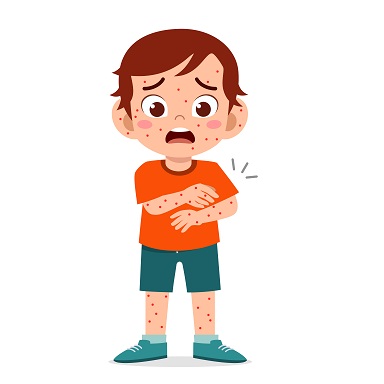
Skin eruption (rashes) is also a significant symptom of monkeypox. Rashes typically appear a few days post the fever. Monkeypox patients have reported rashes on the face, the skin inside the mouth, limbs, genitalia, etc. The inflammation generally evolves from flat lesions to lesions filled with yellowish fluid. These lesions usually dry up and fall off the skin.
How to Treat Monkeypox?
Besides knowing what causes monkeypox, you should be aware of the treatment course. Fortunately, most people with monkeypox get better without treatment. Any necessary treatment is aimed at treating the symptoms. Your doctor may prescribe antibiotics to treat the infection. If infected, you must avoid close contact with others by staying isolated. It is best to stay in a separate room until the rashes heal.
Does Health Insurance Cover Monkeypox?
Most people are concerned about whether their health insurance policy covers monkeypox. The answer is yes, it does. Health insurance plans usually cover infectious diseases, including monkeypox. So, as long as your health insurance policy is active, you can file a claim for monkeypox treatment. The insurer covers expenses up to the sum insured. Also, you can file cashless claims by seeking treatment at the insurer’s network hospitals. Alternatively, you can seek treatment at your preferred hospital and file a reimbursement claim later.
Health insurance policies usually cover the cost of diagnoses, doctor’s fees, pre and post-hospitalisation costs, ambulance charges, etc. You must read your policy wordings thoroughly to know the inclusions and exclusions as they may differ from one insurance company to another.
Buy Health InsuranceTreatment for monkeypox and other similar infectious disease can exhaust your savings. Let your insurance provider cover these costs while you concentrate on getting the best treatment. Get your health insurance policy today!
Disclaimer: The above information is indicative in nature. For more details on the risk factor, terms and conditions, please refer to the Sales Brochure and Policy Wordings carefully before concluding a sale.This blog is intended solely for educational and informational purposes. Content reflects data at time of publication and may not accurately reflect current premiums, terms, or regulations. Readers are encouraged to confirm the accuracy and relevance of the data before making any significant decisions. SBI General Insurance disclaims responsibility for any errors or consequences arising from the use of outdated information provided herein. For more details, please refer to the policy wordings and prospectus before concluding the sales. *Add-ons are subject to payment of additional premium.
Access and manage all your Insurance Needs in one place, right at your Fingertips.


4/5*
Access and manage all your Insurance Needs in one place, right at your Fingertips.


Vision
Our vision is to become the most trusted general insurer for a transforming India.
Mission
Our mission is to provide simple and innovative general insurance solutions, be responsive to our customers' needs and build a sustainable business for the future.
We're socially active!


