




Family Health Insurance
Overview
Family health insurance provides a financial safety net for multiple family members under one policy. It is a crucial option to access quality medical services without compromising savings. This article explains how family health insurance works, its benefits, eligibility, coverage, tax advantages, claim process, and factors to consider before choosin
Read More...Protect Your Loved Ones with a Comprehensive Family Health Insurance Policy
Unexpected medical expenses can affect your family’s finances, especially when hospitalisation or urgent treatment is required. A comprehensive family health insurance policy provides financial support for covered healthcare expenses arising from illnesses and accidents, subject to policy terms.
With suitable coverage in place, you can focus on your family’s recovery without having to worry about managing the entire cost of the treatment on your own. Individuals can choose a family health insurance plan based on your family’s healthcare needs, age, medical history, and budget.
What is a Family Health Insurance Policy?
A family health insurance policy provides health coverage for multiple family members under a single plan. Depending on the policy, it may cover the policyholder, spouse, dependent children, parents, and other eligible family members. The policy can help cover eligible medical expenses, such as hospitalisation, pre- and post-hospitalisation care, and other covered treatments. With healthcare costs increasing, having suitable health insurance policy for family can help you stay financially prepared for unexpected medical needs while ensuring access to timely healthcare.
Individual vs Family Health Insurance
Choose between individual and family health insurance plans based on the number of people you want to cover, their healthcare needs, and your budget.
| Parameter | Individual Health Insurance | Family Health Insurance |
|---|---|---|
Coverage | Covers one individual under a separate policy. | Covers multiple eligible family members under a single policy. |
Sum Insured | The entire sum insured is available only to the insured individual. | The sum insured is shared among all covered family members under a family floater plan. |
Premium | The premium is based on the insured individual’s age, health profile, coverage, and other applicable factors. | The premium depends on factors such as the age and health profile of the covered members, family size, sum insured, and policy terms. |
Flexibility | Can be customised according to an individual’s specific healthcare requirements. | Offers coverage for eligible family members under one plan, subject to the policy terms. |
Benefits | Provides coverage for the insured individual’s eligible medical expenses. | Provides eligible healthcare benefits to all covered family members. |
Convenience | Each family member requires a separate policy, which must be managed individually. | Makes policy management simpler, as eligible family members are covered under a single plan. |
Suitability | May be suitable for individuals with specific healthcare needs or those seeking separate coverage. | May be suitable for families looking for a convenient way to cover multiple members. |
Cost Consideration | Buying separate policies for every family member may increase the overall premium. | May be more cost-effective than purchasing separate policies for each family member, depending on the family’s age, size, and healthcare needs. |
How Medical Inflation is Making Family Health Insurance a Necessity
Medical inflation has increased the cost of hospitalisation, surgeries, diagnostic tests, medicines, and specialised treatments across India. With medical costs rising by nearly 15% every year, managing healthcare expenses from personal savings alone can become challenging. Advancements in medical technology, specialised treatments, and increasing hospital expenses are among the factors contributing to these rising costs. This makes having a suitable medical policy for family increasingly important.
Investing in health insurance for family can help you stay financially prepared for unexpected illnesses, accidents, and hospitalisation. Instead of depending entirely on your savings, you can receive financial support for eligible medical expenses, subject to the policy terms and conditions.
As healthcare costs continue to rise, purchasing suitable health insurance plans for family at an early stage can help you plan for future medical needs. It may also allow you to complete the applicable waiting periods earlier and maintain continuous coverage through timely renewals.
Benefits of Buying Family Health Insurance
Investing in family health insurance can help you stay financially prepared for your family’s healthcare needs. Here are some key benefits:
- Coverage for the Family: A family health insurance policy can cover multiple eligible family members, such as your spouse and dependent children, under a single plan. This makes it easier to manage your family’s health coverage.
- Financial Support During Medical Emergencies: Unexpected hospitalisation or treatment costs can affect your savings. Family health insurance provides financial support for eligible medical expenses arising from covered illnesses and accidents, subject to the policy terms.
- Access to Cashless Healthcare: You can access cashless treatment at network hospitals, subject to policy coverage and claim approval. This can reduce the need to arrange funds upfront during a medical emergency.
- Preventive Healthcare Benefits: Depending on the policy, you may receive benefits such as health check-ups, screenings, and other preventive healthcare services. These benefits can help you monitor your family’s health and identify potential concerns early.
- Support During Emergencies: Certain family health insurance plans may cover eligible emergency expenses, including ambulance services and hospitalisation, as specified in the policy.
- Greater Peace of Mind: Knowing that your family has suitable health coverage can help you focus on their treatment and recovery without worrying about managing the entire medical expense on your own.
Common Inclusions and Exclusions in Family Health Insurance
The coverage offered under family health insurance plans may vary depending on the insurer and policy. Here are some common inclusions and exclusions:
Common Inclusions
- Hospitalisation Expenses: Covers eligible expenses related to hospitalisation, including room rent, doctor’s fees, surgeries, medicines, and other covered treatments.
- Daycare Procedures: Covers specified medical procedures that do not require hospitalisation for 24 hours due to advancements in medical technology.
- Pre- and Post-Hospitalisation Expenses: Covers eligible medical expenses incurred before and after hospitalisation for a specified period, subject to the policy terms.
- Ambulance Expenses: Covers eligible ambulance charges incurred during a medical emergency, up to the limits specified in the policy.
- Preventive Health Check-ups: Certain policies may offer health check-ups and screenings at specified intervals.
- Maternity and Newborn Coverage: Some family health insurance plans may cover eligible maternity-related expenses and newborn care after the applicable waiting period.
- AYUSH Treatments: Covers eligible treatments under Ayurveda, Yoga and Naturopathy, Unani, Siddha, and Homoeopathy, subject to the policy terms.
- Chronic Illness Treatment: Medical expenses related to conditions such as diabetes and hypertension may be covered after the applicable waiting period and as per the policy terms.
Common Exclusions
- Pre-existing Diseases During the Waiting Period: Expenses related to pre-existing medical conditions may not be covered until the applicable waiting period is completed.
- Cosmetic or Aesthetic Procedures: Cosmetic treatments and procedures performed solely to improve appearance are generally excluded unless medically necessary and covered under the policy.
- Experimental or Unproven Treatments: Expenses related to treatments that are experimental, investigational, or not medically recognised may not be covered.
- Self-inflicted Injuries: Medical expenses arising from intentional self-harm may be excluded, subject to the policy terms.
- Injuries from Hazardous Activities: Injuries resulting from certain adventure sports or hazardous activities may not be covered unless specifically included in the policy.
- Routine Dental and Vision Care: Routine dental treatments, eye examinations, spectacles, and contact lenses are generally not covered unless specifically included or required due to a covered medical condition or accident.
- Non-medical Expenses: Expenses for items such as toiletries, administrative charges, and other non-medical consumables may not be covered unless specified in the policy.
Note: The inclusions, exclusions, coverage limits, waiting periods, and applicable conditions may vary across policies. Review the policy wording carefully before purchasing a family health insurance plan.
Who is Eligible to Buy a Family Health Insurance Plan?
Family health insurance plans are designed to cover multiple eligible family members under a single policy. Eligibility requirements can vary depending on the insurer and the selected plan.
Here are some common factors that determine eligibility:
- Family Members Covered: A family health insurance plan may cover the policyholder, spouse, dependent children, parents, and other eligible family members related by blood, marriage, or adoption, depending on the policy terms.
- Entry Age: The minimum and maximum entry ages may differ across plans. Adults and dependent children must meet the age requirements specified under the policy.
- Dependent Children: Children may be covered from the minimum entry age up to a specified age, provided they meet the policy’s dependency criteria.
- Residency Requirements: Applicants may need to meet the residency requirements specified by the insurer to purchase the policy.
- Medical History: Applicants must provide accurate information about their health and disclose any pre-existing medical conditions. Depending on the age, medical history, and selected coverage, the insurer may also require a pre-policy medical examination.
Before purchasing a plan, review the eligibility criteria and policy wording to ensure that all the family members you want to insure can be covered.
How Many Members Can Be Covered Under a Family Health Insurance Plan?
A family health insurance policy is designed to cover multiple eligible family members under a single sum insured, making healthcare protection more convenient and cost-effective.
Self, Spouse, and Dependent Children
Most family health insurance plans cover the proposer, spouse, and dependent children under a single policy. This shared coverage may help to simplify policy management while providing financial protection for the immediate family against eligible medical expenses, subject to the policy terms and conditions.
Parents and Other Eligible Family Members
Depending on the insurer and the chosen plan, parents, parents-in-law, or other eligible family members may also be included. Before purchasing medical insurance for family, it is recommended for the policyholders to review the eligibility criteria and coverage details for the specific policy.
Documents Required to Buy Family Health Insurance
The documents required may vary depending on the insurer and policy. Common documents include:
- Identity Proof: Aadhaar card, PAN card, or passport
- Address Proof: Aadhaar card, passport, or utility bill
- Age Proof: Birth certificate, Aadhaar card, or passport
- Medical Details: Information about pre-existing conditions and medical history
- Photographs: Recent passport-sized photographs of the insured members
- Medical Reports: May be required based on age, health history, and underwriting requirements
Additional documents may be requested during the application process.
How to Buy a Family Health Insurance Plan Online from SBI General Insurance
You can purchase a family health insurance plan or opt for health insurance renewal online by following these steps:
- Visit the website: Go to the SBI General Insurance website and explore the available family health insurance plans.
- Select a plan: Choose a policy based on your family’s healthcare needs and budget.
- Enter the required details: Provide information about the family members you want to insure, including their age and medical history.
- Choose your coverage: Select the sum insured and available coverage options based on your requirements.
- Review the policy: Check the coverage, premium, waiting periods, exclusions, and applicable terms carefully.
- Make the payment: Pay the premium securely using an available online payment method.
- Receive the policy: Once the application is processed and the policy is issued, the policy document will be shared electronically.
Claim Process with SBI General Insurance
The claim process may vary depending on whether you opt for a cashless or reimbursement claim option. Here are the general steps:
- Inform SBI General Insurance: Notify the insurer about the planned or emergency hospitalisation through the available customer support channels.
- Submit the required details: Provide the policy information, hospital details, medical records, and other required documents.
- Receive claim assistance: The claims team will guide you through the applicable process and inform you if any additional documents are required.
- Claim assessment: SBI General Insurance will review the submitted documents and assess the claim according to the policy coverage, terms, and conditions.
- Claim settlement: Once approved, eligible expenses will be settled directly with the network hospital for a cashless claim or reimbursed to the policyholder for an approved reimbursement claim.
Things to Keep in Mind When Buying Family Health Insurance
Selecting the best health insurance for family may require careful evaluation of family's current and future healthcare needs. Here is what policy buyers should consider:
- Sum insured adequacy
- Network hospital availability
- Waiting periods
- Coverage inclusions and exclusions
- Sub-limits
- Claim settlement support
- Premium affordability
Read the complete policy wording before purchasing any medical policy for family. Choosing the best Mediclaim policy for family can help provide long-term financial protection while ensuring access to quality healthcare when required.
Why a Personal Family Health Insurance Plan Matters Beyond Employer Cover
Many employers provide group health insurance as part of employee benefits. While it may be useful, this coverage may not always be sufficient or continue throughout the career. Here is understanding why:
Group Cover Is Valid Only as Long as You Stay Employed
Employer-sponsored health insurance generally remains active only during the period of employment. If policyholders change jobs, retire, or the employer revises their benefits, the coverage may cease.
Coverage Gaps During Job Changes and Career Breaks
During job transitions, sabbaticals, or career breaks, policyholders may face periods without adequate health coverage. Medical emergencies during such times can create unexpected financial stress.
Why Choose SBI General Insurance?
Every family has different healthcare needs. SBI General Insurance offers health insurance plans with flexible coverage options to help you choose protection that works for your family.
- SBI General Health Alpha: This customisable health insurance plan allows you to select coverage and optional benefits based on your family’s healthcare needs. It covers eligible expenses related to hospitalisation, pre- and post-hospitalisation care, and daycare medical procedures, subject to the policy terms.
- Super Health Insurance: Designed to offer comprehensive health coverage, this plan provides a range of sum insured options and covers eligible expenses related to hospitalisation, pre- and post-hospitalisation care, daycare treatments, and more.
With access to 18000+ network hospitals across 180+ locations, SBI General Insurance makes it easier to access quality healthcare when required. You can also benefit from cashless claim facilities at network hospitals and dedicated support throughout the claim process.
Conclusion
A well-chosen family health insurance policy can help protect loved ones against rising medical expenses while providing financial stability during unexpected health emergencies. By assessing your family’s healthcare needs and comparing the available coverage options, you can choose a plan that offers suitable protection for the years ahead.
Why Customers Love Us?
FAQs
A family medical insurance plan typically covers the policyholder, spouse, and dependent children. Some plans may also allow dependent parents and other eligible family members to be included. The eligibility criteria may vary depending on the policy terms.
Yes, some insurers, including SBI General Insurance, offer family health insurance plans with multi-year policy tenures. These plans provide continuous coverage for the selected tenure and may offer applicable long-term policy discounts.
Yes, family medical insurance plans may have waiting periods for certain medical conditions and treatments. These may include an initial waiting period and specific waiting periods for pre-existing diseases, maternity benefits, or listed treatments. Review the policy wording to understand the applicable waiting periods.
If you do not renew your family health insurance policy on time, the coverage may lapse. Most insurers provide a grace period for renewal, during which you can renew the policy and retain continuity benefits. However, coverage may not be available during the grace period. If you do not renew within this period, you may need to purchase a new policy and could lose accumulated benefits.
The minimum and maximum entry ages vary depending on the insurer and policy. Family health insurance plans may cover adults, dependent children, and other eligible family members based on the age criteria specified in the policy. Some plans may also offer coverage for senior citizens.
Many family health insurance plans offer lifelong renewability, subject to the applicable policy terms and conditions. Renewing the policy on time can help maintain continuous coverage and retain accumulated benefits.
Coverage for genetic disorders depends on the selected policy and its terms. Certain conditions may be covered, while specific exclusions, waiting periods, or coverage conditions may apply. Review the policy wording to understand the extent of coverage.
Routine dental treatments, such as cleanings, fillings, and braces, are generally not covered under standard family health insurance plans. However, certain dental treatments may be covered if they are medically necessary or required due to an accident, subject to the policy terms.
The premium may depend on factors such as the age and medical history of the insured members, number of family members covered, sum insured, policy tenure, location, lifestyle factors, and selected optional covers. The insurer’s underwriting guidelines may also influence the final premium.
A No Claim Bonus (NCB) is a benefit offered when no claim is made during a policy year. Depending on the policy, it may be provided as an increase in the sum insured or another benefit at renewal, subject to the applicable terms and conditions.
Yes, eligible family members covered under the policy can avail of the cashless claim facility at network hospitals. Under this facility, the insurer settles eligible medical expenses directly with the hospital, subject to policy coverage, claim approval, and applicable terms and conditions.
A medical test may be required depending on factors such as the age, medical history, and health status of the family members being insured. The requirement is determined according to the insurer’s underwriting guidelines.
You can contact SBI General Insurance through its customer service helpline, email, official website, or visit the nearest branch. Refer to the contact details available on the SBI General Insurance website or the policy document for further assistance.
A financially dependent and unmarried child may generally remain covered under a family health insurance policy up to the age specified in the policy terms. Once the child crosses the applicable age limit, they may need to opt for an individual health insurance policy.
In the event of the primary insured person’s death, an eligible surviving adult member, such as the spouse, may be able to renew the family floater policy. The insurer should be informed, and the required process must be completed to update the primary insured person. The applicable procedure and documentation may vary depending on the policy terms.
A corporate health insurance policy can provide useful coverage, but the benefits may be linked to your employment and may have limits on the sum insured or available coverage. A separate individual or family health insurance policy can provide additional coverage and help maintain continuity during a job change. Review your existing corporate coverage and assess your family’s healthcare needs before deciding.
Contact your insurer to understand the process for adding eligible family members. You may need to submit an endorsement request along with supporting documents, such as a birth certificate for a newborn or a marriage certificate for a spouse. An additional premium may apply depending on the new member’s age, medical history, and policy terms.
Consider factors such as the sum insured, coverage benefits, network hospitals, waiting periods, coverage for pre-existing diseases, exclusions, sub-limits, premium, and available optional covers. Compare suitable plans and review the policy wording carefully to choose coverage that aligns with your family’s healthcare needs and budget.
Note: Not all points are applicable to every health insurance plan. Please read the policy wordings carefully to know the exact coverage offered by the health insurance plan.
Latest Articles On Insurance

September 28, 2026
Health Benefits of Sattu
A traditional Indian staple, sattu packs considerable nutrition into a simple roasted flour. In a 2023 food-sc...
View More
September 28, 2026
Health Benefits of Jowar
Did you know sorghum, commonly known as jowar in India, is the world’s fifth most important cereal by producti...
View More
September 28, 2026
Health Benefits of Lettuce
Lettuce is made up of about 95% water, making it one of the most hydrating leafy vegetables you can add to you...
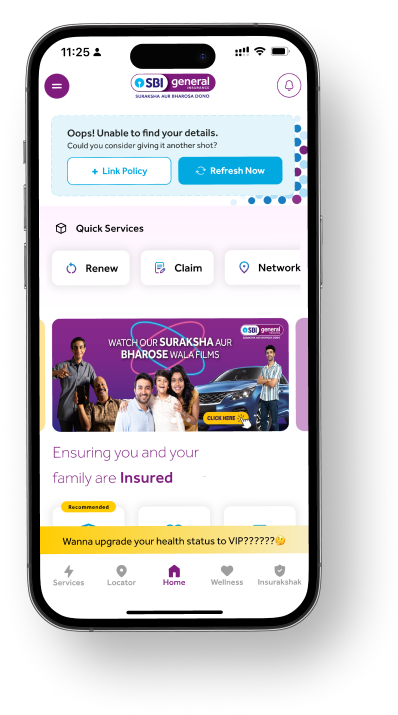
View MoreAccess and manage all your Insurance Needs in one place, right at your Fingertips.






4/5*
Vision
Our vision is to become the most trusted general insurer for a transforming India.
Mission
Our mission is to provide simple and innovative general insurance solutions, be responsive to our customers' needs and build a sustainable business for the future.
We're socially active!