Sbig App
Install our App to get easy Access toBuy, Link, Renew, Claim and More
Get

Lost your passport abroad? Follow 5 simple steps for a safe passage home
blog
Dec 14, 2019
expertexpertexpert

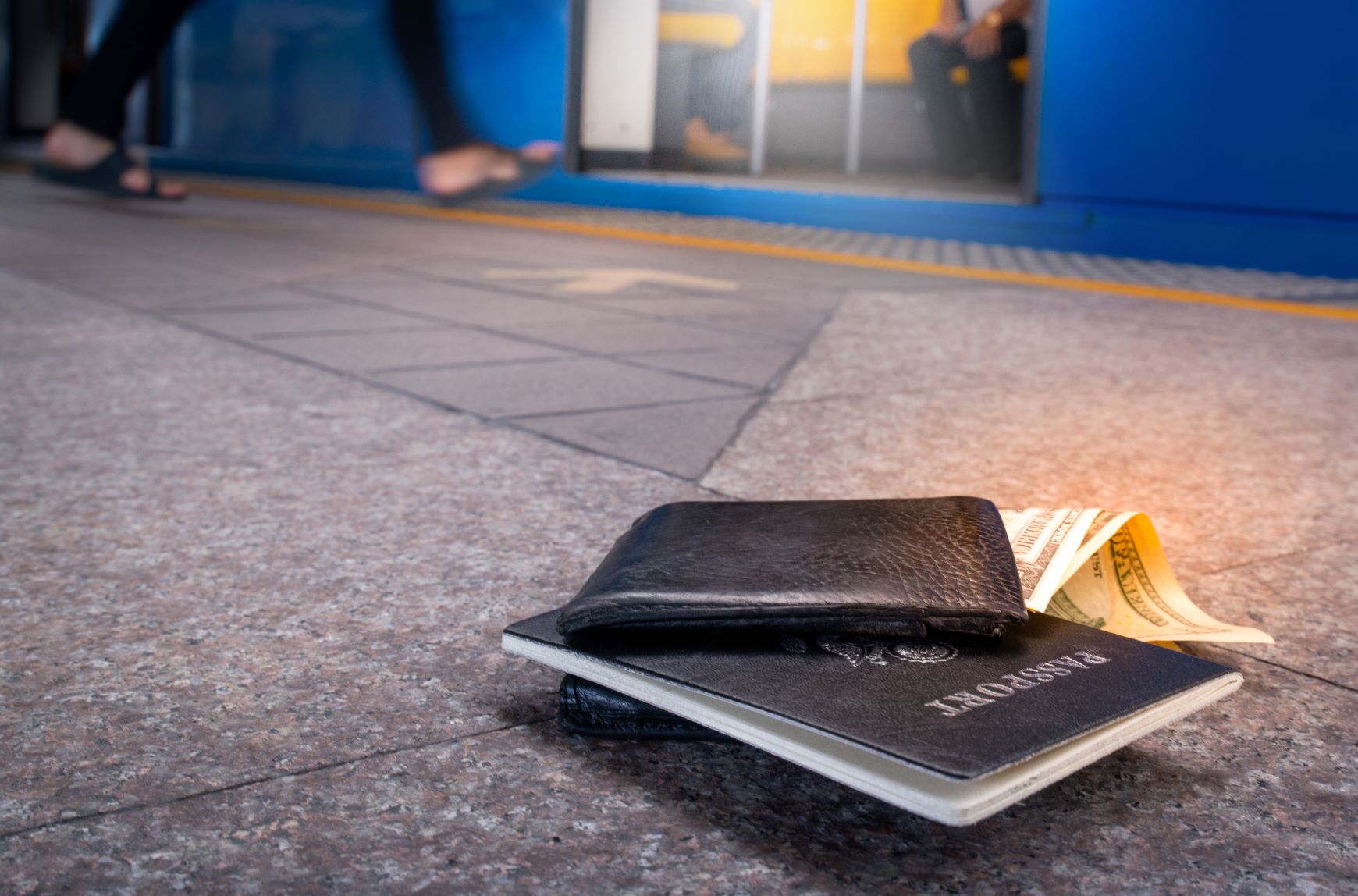
It is true that travel broadens the mind and expands your horizons. It also creates memorable experiences. While in most cases, your meticulous planning and preparations ensures that the memories are beautiful, there are occasions when things do go wrong, and it could lead to loads of stress – losing your bag in a foreign country, including your passport, for example.

Nightmarish a scenario as it is, there is no need to panic. Here is what you have to do:

1. Reach out to the nearest police station

Go to the nearest police station and file a police report. You should be able to procure a copy of report in about half-an-hour. Please don’t be inhibited about going to the police station as the people stationed there are for your assistance. The report prepared by the local police is one of the most important documents you must have in your possession in order to prove your loss or theft of passport along with other belongings.

2.Reach out to the Indian embassy located there

You need to get in touch with the Indian Embassy via their emergency telephone lines in order inform them of your predicament. You can look for information regarding the Embassy online.

3.Immediately apply for a duplicate Passport

The Indian consulate will assist you through all the procedures required for obtaining a duplicate passport, for which (in most cases) you would have to put in an application for in person. Getting a physical duplicate passport takes about 7 days, as the passports are printed in India and have to be sent to the embassy of the country you are stuck in. You need to manage your tickets and hotel bookings accordingly.

4. Get any lost Visas that were affixed on your passport back

If you had any non-expired visas that were also lost along with the passport, you can make a requisition to get them back as well by getting in touch with the respective embassies of the foreign countries that had issued those visas. For example, if you had a German visa, call the German consulate to notify them. It will mostly take 2-4 days to get the new visas issued. They will in all likelihood require the copies of the non-expired visa, the report prepared by the local police and the new passport. They cannot attach the visa without the new passport.

5.Get in touch with your insurance provider to claim for the loss of passport

Under most travel insurance schemes, there is a clause for the loss of passport and you should be covered under that for the same. Get in touch with your insurance provider immediately.

Required documents for claim of loss

The list of documents required to be attached with the loss claim are as follows:

• Duly Signed Claim Form stating the exact circumstances of loss

• Copy of the local Police Report.

• Detailed receipts of all out-of-pocket expenditure with regard to obtaining a new passport.

• NEFT form and Pre-Printed Cancelled cheque stating claimant’s Indian Bank account details On the other hand, you could actually avoid or minimise all the hassles if you were to keep soft copies of your passport, visas and other such essential documents in your email or cloud service before you travel overseas. You should also have the photocopies of your passport in each item of your luggage in your hotel room, as back-up. Having these copies at hand will help speed up the processing time for your duplicate passport.

This blog is intended solely for educational and informational purposes. The content may include outdated information regarding the topic discussed. Readers are encouraged to confirm the accuracy and relevance of the data before making any significant decisions. SBI General Insurance disclaims responsibility for any errors or consequences arising from the use of outdated information provided herein.

Recent Blogs

icon

Travel Insurance

5 Reasons Group Travel Insurance is Essential for Every Business Trip

In the fast-paced world of business, travel has become common. Whether for meeting international clients, attending conferences, or closing deals, business travel is a part of the job for many companies. However, with international business travel comes a range of risks. Like medical emergencies, travel disruptions, socio-political unrest, and even natural disasters. In these situations, group travel insurance is very helpful because it protects employees and the company.
icon

Travel Insurance

5 Ways Travel Insurance Can Protect Your Solo Travel Plans

Solo travel offers the freedom to explore new places on your terms, but it also comes with risks that are best managed through the right travel insurance plan. Unexpected events can quickly turn a dream trip into a challenging experience, especially when you’re far from home. With adequate travel insurance, you’re safeguarded against potential financial and logistical difficulties, allowing you to focus on enjoying your journey. Here’s a comprehensive look at how travel insurance can protect your solo travel plans and help you make informed choices.
icon

Travel Insurance

handy tips to get you started for the rains Essentials to be packed to ensure safe travel

The monsoon season brings with it myriad emotions. From farmers to city dwellers, monsoons have something to offer to everyone. Despite all the love we have for the rains, there is one thing that we dread when the monsoon season arrives, and that is travel! Flooded streets, waterlogged areas, potholed roads and the mud and grime are just some of the issues. However, a little preparation can go a long way to keep you safe and comfortable. Here is a list of absolute essentials for monsoon travel for backpackers or for anyone who would like to travel during this season. 1.Rain cover for your Backpack The last thing that you would want on your trip is a bag full of wet clothes. So, ensure that you invest in a good quality rain cover that will keep the rain away from your belongings. Ideally, we would recommend that you get a cover with a reflector strip, so that people can notice you even in a heavy downpour. 2.Poncho or knee length raincoat A poncho turns out to be easier to tread in, as you have your hands free to trek on mountains or generally have better balance while walking in the rain. The poncho is also easy to pack and manage. A colourful poncho is advisable for better visibility. 3.Easy-Dry Clothes The monsoon calls for clothing that doesn’t take much time to dry. The denim jeans you were thinking of carrying, don’t bother! Polyester blend clothes are recommended as they naturally repel water, and since they have the properties of cotton, they tend to dry up faster. And oh! They take way less space than normal clothing, giving you more room to pack important stuff. 4.A strong headlamp Power outrages are common during the rains, so come prepared! Flashlights are fine too, but a headlamp serves a great purpose, so that you can have your hands free. The headlamp with retractable cords is even better, as it will occupy less space in the bag. 5.Sturdy dry bag If you would like to protect your prized camera and other electronics, then a sturdy dry bag is what you require. In the event you cannot arrange for a dry bag, then consider using large Zip locks to keep the rain out. 6.First Aid supplies Wading through the rain and flood water, you could easily be attacked by leeches or mosquitoes or other insects. So, if you would like to avoid infections, make sure that you treat your wounds with a good antibiotic cream before bandaging them. Among the other supplies that you plan to carry, remember to pack a mosquito repellent. 7.Clothes/Shoe fresheners No matter how hard you try to keep yourself dry, at some point you may get totally drenched and wet clothes/shoes do not smell too good. So just toss a few air/clothes fresheners in your bag and your shoes will smell fresh for the rest of the days of your trip. 8.Garbage Bags Yes, you read that right, these bags come in handy when you need to separate your wet clothing from your dry clothing. They also serve the purpose of keeping your clothes dry when you’re travelling as you can put wet clothes in the plastic while the dry clothes can stay in the bag. They can also save your documents and electronics from water damage and humidity. With a little preparation and an open attitude, this is probably the most beautiful season to travel in. So, pack your bags and get ready for your monsoon adventure.
icon

Travel Insurance

Why Travelling is Good for Your Health?

It is no secret that travelling generally puts you in a good mood. You can detach from your work environment and meet new people, explore picturesque locations, experience new cultures and savour delicious local cuisines. Studies in tourism have revealed the remarkable benefits that travel can have on your health as well. Keep reading to know why travelling is good for your health. Travelling is an excellent stress reliever Stress typically affects your brain, which in turn affects your body. Whether your work requires you to sit in a sedentary position in front of a laptop for long hours or spend long hours in the sun, it can adversely affect your body. Travelling gives you that much–needed break from the everyday hustle and rejuvenates you. It opens you up to novel experiences that can positively fuel your mind and body. Travelling reduces the risk of depression Another essential health benefit of travelling is that it reduces the risks of depression. Depression can affect your productivity in your professional and personal life. However, travelling serves as a tonic against depression as it helps you disconnect from negative thoughts and experiences. It essentially allows you to reset your mind and body. Travelling keeps you fit Whether you are exploring the outdoors or taking walking tours of tourist destinations, museums, palaces, etc., you typically cover a lot of ground on your feet while travelling. You may also use your hotel’s swimming pool or gym facilities to unwind. These activities keep you fit and allow you to enjoy the health benefits of taking a vacation. Travelling increases dopamine levels When looking forward to something exciting, such as an upcoming vacation, the brain releases a neurotransmitter called dopamine. Dopamine controls the pleasure and reward centres of the brain. The vacation high remains even after you are back from your vacation, which is why travelling is good for your mental health. Travelling makes you mentally strong Travelling to unknown places can be intimidating. However, when difficult situations arise, you learn to adapt. The more you travel and face challenges, the better you get at handling stressful situations. You can apply this lesson in your everyday life as well. Therefore, travelling allows you to become flexible and mentally resilient. Travelling boosts your immunity When you travel, you usually come in contact with new organisms that are not present in your home country. Your immune system creates antibodies to fight these organisms. With frequent travel, the number of foreign organisms you encounter increases, thus, making your immune system stronger. An enhanced immunity is another incredible health benefit of travelling abroad. The need for travel insurance While travelling to free yourself of everyday stress, unforeseen disasters like trip delays or baggage loss should be the last thing on your mind. That is why you must purchase a good travel insurance plan while going abroad. The travel insurance policy protects you against various unplanned expenses and encounters on your overseas trip. For instance, it covers the costs of medical emergencies, lost luggage, flight delays, etc. Essentially, your travel insurance plan allows you to enjoy your vacation without any hiccups. Disclaimer: The above information is indicative in nature. For more details on the risk factor, terms and conditions, please refer to the Sales Brochure and Policy Wordings carefully before concluding a sale.